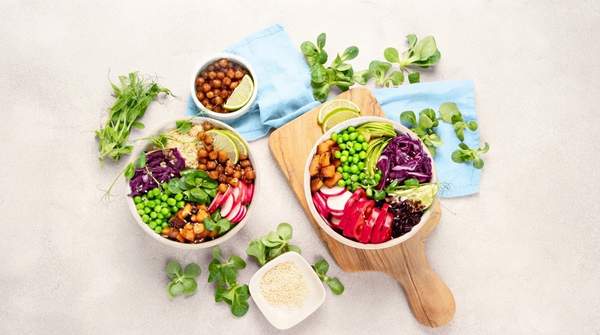
A well-planned plant-based diet is rich in vitamins, minerals, and fiber, but simply eating nutritious foods doesn't guarantee your body can use all they have to offer. The bioavailability of certain key nutrients—the amount that can be absorbed and utilized by the body—can be lower from plant sources compared to animal products. This is often due to naturally occurring compounds in plants that can interfere with absorption. Fortunately, with intentional food preparation and strategic meal pairings, you can significantly enhance your body's ability to access the full nutritional power of your food, ensuring your diet is as nourishing as it is wholesome.
Understanding Anti-Nutrients: Phytates and Tannins
Many of the most nutrient-dense plant foods, such as whole grains, legumes, nuts, and seeds, contain compounds sometimes referred to as "anti-nutrients." While these substances can have their own health benefits, they can also limit the absorption of essential minerals. One of the most significant groups of these compounds is phytates, or phytic acid. The American College of Lifestyle Medicine notes that phytates can inhibit the absorption of iron, zinc, and calcium by binding to these minerals in the digestive tract, which prevents the body from taking them in. Another group of compounds that can affect nutrient uptake are phenolic compounds, which include tannins.
According to the Kerry Health and Nutrition Institute, tannins are particularly abundant in tea and coffee and are known to inhibit iron absorption. Understanding the role of these compounds is the first step toward overcoming their effects. By employing specific kitchen techniques, you can reduce the impact of these inhibitors and unlock more of the vital minerals contained in your plant-based meals.
Plant-Based Nutrient Optimization Framework
Navigating the complexities of bioavailability can be simplified with a clear set of strategies. This framework connects key nutrients of concern on a plant-based diet with their primary absorption challenges and provides actionable solutions. By using the right preparation methods and food pairings, you can systematically improve how your body absorbs iron, zinc, and fat-soluble vitamins.
| Nutrient of Concern | Primary Absorption Challenge | Preparation Solutions | Food Pairing Solutions |
|---|---|---|---|
| Iron (Non-heme) | Inhibited by phytates in legumes and grains, and by tannins found in tea and coffee. | Soaking, sprouting, fermenting, or de-hulling legumes and malting cereals can reduce phytate levels, according to the Kerry Health and Nutrition Institute. | Pair iron-rich foods like lentils, beans, and tofu with sources of Vitamin C, such as citrus fruits, tomatoes, or bell peppers, to significantly improve absorption. Avoid drinking coffee or tea within two hours of an iron-rich meal. |
| Zinc | Inhibited by the high fiber content and phytates present in whole grains and legumes. | The Kerry Health and Nutrition Institute reports that de-hulling, pressure-cooking, sprouting, and fermenting legumes and grains help break down fiber and phytates, enhancing zinc bioavailability. | Some studies suggest that consuming zinc-rich plant foods as part of a high-protein meal may have a positive effect on its absorption. |
| Fat-Soluble Vitamins (A, D, E, K) | These vitamins require the presence of dietary fat to be absorbed effectively by the body. | Cook vegetables rich in these vitamins, such as carrots, kale, and broccoli, with a source of healthy fat or oil. | Womack Army Medical Center advises incorporating healthy fats like nuts, seeds, or avocado into meals containing sources of vitamins A, D, E, and K to enhance their absorption. |