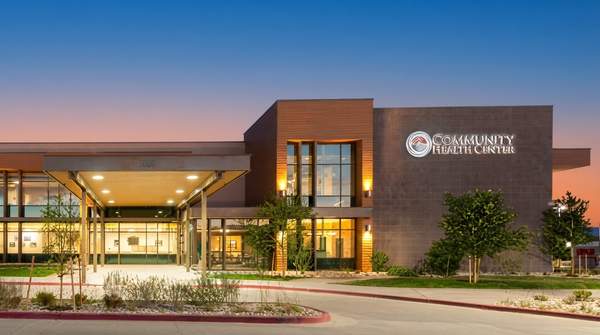
The U.S. Department of Health and Human Services launched the Health Center Healthy Lifestyle Commitment on October 14, 2026, a voluntary initiative that encourages HRSA-supported health centers to weave nutrition, prevention, and healthy living into everyday patient care. If you rely on a community health center—or work at one—the announcement matters because it outlines six specific best practices the department wants centers to adopt, while making clear that participation is entirely optional and carries no consequences for federal funding.
The Six Pillars of the Commitment: Encouraging Best Practices
According to HHS's official announcement, the commitment asks participating centers to advance six evidence-based practices. Together, they move the focus from treating illness toward preventing, delaying, and better managing chronic disease at the community level. The table below breaks down each pillar and what it encourages in practice, so you can see at a glance what a participating center would actually do differently.
| Pillar | What Health Centers Are Encouraged to Do |
|---|---|
| Prioritizing prevention and healthy lifestyles | Encourage healthy eating, physical activity, adequate sleep, limited screen time, and other behaviors that can help prevent, delay, and better manage chronic disease. |
| Promoting healthy eating | Help patients and families understand and apply the new Dietary Guidelines for Americans, including choosing whole, nutrient-dense foods and limiting highly processed foods and added sugars. |
| Empowering patients and families | Provide practical, actionable information about nutrition, preventive care, and healthy behaviors that support lifelong health. |
| Connecting to community activities | Link patients to community gardens, fresh produce programs, nutrition education, and physical activity opportunities. |
| Strengthening the prevention workforce | Equip health center staff with tools, training, and resources to integrate nutrition and healthy living into everyday patient care. |
| Building a culture of health | Encourage healthy choices and empower patients to take an active role in improving their health. |
Notice the through-line across the six pillars: they span individual behavior, patient and family education, community resources, staff capacity, and organizational culture. That breadth signals the department's aim of a systemic shift toward health promotion rather than a single new service line. The pillars also build on one another in a practical sequence—staff need training before they can counsel patients, and patients need community resources before advice can translate into action.
Two pillars deserve particular attention if you are trying to understand the initiative's real-world footprint. The healthy eating pillar ties the commitment directly to the new Dietary Guidelines for Americans, giving centers a specific, current reference point rather than general advice. And the community connection pillar reaches beyond clinic walls, pointing patients toward gardens, fresh produce programs, and physical activity opportunities that exist where they live.
Voluntary Participation: What It Means for Health Centers
The commitment's voluntary design is its most consequential feature for the health centers it addresses. HHS states plainly that participation "does not establish new federal requirements or standards of care," and that a center's decision to participate "will not affect its eligibility for or receipt of HRSA funding." Independent local coverage of the announcement, including a WSET report on the launch event at a Chatham, Virginia health center, confirmed the same terms.
For you as a patient, that means the initiative's reach depends on whether your local center chooses to opt in. There is no mandate forcing adoption, and no compliance deadline has been announced. The practical effect is a menu of encouraged practices rather than a regulation. Centers that already run nutrition education or produce programs may find the commitment aligns with existing work, while others face a genuine choice about whether to redirect resources toward prevention-focused training and community partnerships.
The voluntary model cuts both ways. It lowers the barrier to participation—no center risks funding by declining or joining—but it also means HHS has chosen persuasion over requirement, leaving the pace of adoption to each organization's leadership, budget, and community priorities. The stakes are real in the places these centers operate: as the WSET report noted, access to health care remains a concern in rural communities, where health centers can serve as an important source of medical services for residents, and where the centers also provide jobs and contribute to local economies.
Strategic Context: Part of a Broader Public Health Vision
HHS frames the commitment as building on the Trump Administration's Make America Healthy Again Strategy, recognizing what the announcement calls "the critical role of community-based primary care in addressing chronic disease and improving the health of American families." The department's MAHA page lists the commitment among its related initiatives and highlights the new Dietary Guidelines for Americans, which the page says reestablish food—not pharmaceuticals—as the foundation of health. The healthy eating pillar explicitly asks centers to help patients apply those same guidelines.
The commitment also sits within the administration's "Take Back Your Health" initiative, which HHS describes as President Trump and Secretary Kennedy's effort to combat chronic disease by encouraging Americans to "Get Active, Eat Real Food, and Live Real Life." Read together, the documents show a deliberate alignment: the Healthy Lifestyle Commitment translates that national messaging into concrete practices at the primary care level, where community health centers serve patients who may face the greatest access barriers.
This is not the first structural move in the broader strategy. HHS's March 2025 restructuring announcement, made under President Trump's executive order on workforce optimization, was explicitly framed as a transformation to "Make America Healthy Again." The new commitment extends that agenda from departmental reorganization into the exam room, connecting a national chronic disease campaign to the daily work of community-based care.
Implications for Community Health and Future Monitoring
HRSA-supported health centers should evaluate the six pillars of the Healthy Lifestyle Commitment to determine how they can voluntarily integrate these evidence-based practices into their patient care and community engagement strategies. For health-conscious readers, the initiative signals that nutrition counseling, dietary-guidance education, and referrals to community resources like fresh produce programs may become more visible offerings at participating centers—worth asking about at your next visit.
What the announcement does not yet establish is uptake or impact. HHS has not reported how many centers have signed on, and no participation targets, reporting deadlines, or effectiveness measures were included in the launch materials. The launch also drew no published reactions from individual health centers or medical associations in the materials released so far, so the field's response remains an open question.
The observable signal will be future HHS announcements or reports detailing the initiative's progress, participation rates, or updated guidance for health centers. Until then, the commitment stands as an invitation—one whose success will be measured by whether centers accept it, and by whether the prevention-focused practices it encourages become a visible part of care in the communities they serve.
Sources
- HHS Launches Health Center Healthy Lifestyle Commitment to Advance Nutrition, Prevention, and Healthy Living — HHS.gov
- HHS announces new healthy lifestyle initiative at Chatham health center — WSET
- Make America Healthy Again (MAHA) — HHS.gov
- HHS Announces Transformation to Make America Healthy Again — HHS.gov