Top 5 Essential Kitchen Tools for Healthy Home Cooking

Grooves in your cutting board aren't just unsightly; they can trap bacteria.

IC
Isabella Cortez

April 26, 2026 · 5 min read

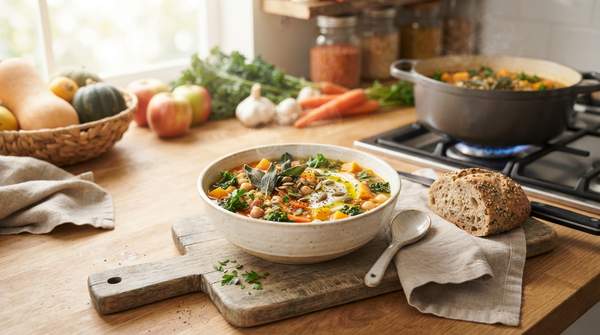
A curated selection of essential, healthy kitchen tools including a wooden cutting board, ceramic knife, and glass bowl on a clean counter.

Grooves in your cutting board aren't just unsightly; they can trap bacteria. Worse, some common plastic kitchen tools can leach flame-retardant chemicals into your food, even with routine use. These chemicals, designed to prevent fire, silently migrate from worn surfaces into the meals we prepare, creating an unseen health burden.

Kitchen tools are marketed to simplify and improve healthy cooking, but certain popular options contain materials that actively compromise those very health objectives. A critical tension exists between advertised convenience and the hidden chemical risks consumers face.

Based on increasing awareness of material safety, consumers will likely demand greater transparency and non-toxic alternatives in kitchenware, pushing manufacturers to innovate with safer, more sustainable materials.

Equipping your kitchen with the right tools transforms daily meal preparation, making healthy cooking easier, faster, and more affordable, according to Consumer Reports. CNET adds that strategic tool selection helps achieve specific health goals like weight loss or muscle gain. Yet, this pursuit of health through home cooking demands a closer look at the materials in these very tools, ensuring convenience doesn't come at a hidden cost.

5 Essential Tools for Effortless Healthy Meals

1. Compact personal blender

Best for: Individuals focused on quick, nutrient-dense meals like smoothies and homemade dressings.

This versatile appliance is a staple for efficient healthy cooking, perfect for smoothies, dressings, or chopping nuts, says Consumer Reports. Its small footprint fits any kitchen, making nutrient-dense meals quick and easy.

Strengths: Highly versatile for various preparations | Limitations: Smaller capacity limits bulk blending | Price: Varies by brand

2. Uncoated rimmed baking sheets

Best for: Home cooks prioritizing even roasting and minimal chemical exposure.

Consumer Reports found uncoated rimmed baking sheets cook more evenly and last longer. Larger pans accommodate plenty of vegetables with protein, ideal for healthy, sheet-pan meals. This ensures consistent results without chemical coatings.

Strengths: Durable, promotes even cooking, accommodates large portions of vegetables | Limitations: Requires parchment paper for easy cleanup | Price: Varies by size and material

3. Farberware Pro Salad Spinner

Best for: Anyone committed to incorporating fresh, crisp greens into their daily diet.

The $22 Farberware Pro Salad Spinner simplifies washing and drying greens. It ensures crisp, clean salads are always ready, making fresh greens an appealing daily option.

Strengths: Efficiently dries greens, encourages salad consumption | Limitations: Takes up cabinet space | Price: $22

4. Misto (oil sprayer)

Best for: Health-conscious cooks aiming to reduce and control oil intake.

A $20 set of two Misto oil sprayers allows controlled application of cooking oils. This manages fat intake while preserving flavor and texture, supporting healthier methods like air frying or light sautéing.

Strengths: Reduces oil usage, promotes even coating | Limitations: Requires manual pumping, can clog with certain oils | Price: $20 for a set of two

5. Cutting boards

Best for: Every home cook, requiring attention to hygiene and material safety.

Cutting boards are fundamental for safe food prep. However, Consumer Reports warns they must be replaced when grooves appear. These crevices trap bacteria, posing a significant hygiene risk even after cleaning. Material choice here is crucial for long-term health.

Strengths: Essential for safe food prep | Limitations: Requires regular inspection and replacement | Price: Varies widely by material and size

Choosing Materials: Performance vs. Safety

Making informed kitchen choices means understanding the trade-offs between materials. Each offers distinct advantages in durability, performance, and crucial chemical safety.

MaterialHealth SafetyDurabilityPerformanceCommon Uses
Plastic (e.g. cutting boards, spatulas)Potential for leaching flame-retardant chemicals, especially when worn or heated.Moderate; prone to scratches and grooves, which harbor bacteria.Lightweight, non-stick safe, generally affordable.Cutting boards, spatulas, measuring cups.
Stainless SteelGenerally considered safe and non-reactive.High; resistant to rust, corrosion, and impacts.Excellent heat conduction, durable, easy to clean.Pots, pans, utensils, mixing bowls.
Wood (e.g. cutting boards, spoons)Natural, can be antimicrobial if properly maintained; requires careful cleaning to prevent bacterial growth.Moderate; can warp or crack if not cared for.Gentle on cookware, aesthetically pleasing.Cutting boards, spoons, rolling pins.
GlassNon-reactive, non-porous, does not leach chemicals.High; resistant to chemical degradation; can shatter if dropped.Excellent for baking, clear for visibility, retains heat well.Baking dishes, storage containers, measuring cups.

The Hidden Cost of Convenience: Chemical Risks

Kitchen gadgets promise easier, healthier cooking, yet certain plastics in these tools introduce a hidden chemical risk that negates those benefits. Flame-retardant chemicals leach from plastic, especially with heat, acids, or wear, turning everyday cooking into a long-term chemical burden, The New York Times reports.

Routine exposure to these chemicals from plastic kitchenware leads to bioaccumulation over time, The New York Times notes. Consumers pursuing healthy home cooking may unknowingly expose themselves to these bioaccumulating chemicals from worn plastic tools. This reveals a critical gap in product safety awareness. Companies marketing 'healthy living' tools sell a false promise if their products leach flame-retardant chemicals, trading convenience for an invisible, cumulative health risk.

The pervasive presence and bioaccumulation of flame-retardant chemicals in plastic kitchenware demand a critical review of material safety. Informed home cooks prioritize both efficiency and safety, a choice that pays off long-term. By Q4 2026, major kitchenware manufacturers like Farberware will likely face increased pressure to explicitly label products as free from flame-retardant chemicals, driven by consumer demand for safer healthy cooking solutions.

Your Questions Answered: Healthy Kitchen Tools

What are the safest materials for everyday kitchen utensils?

For daily use, materials like stainless steel, silicone, and wood offer excellent alternatives to potentially harmful plastics. Stainless steel is durable and non-reactive, ideal for spatulas and ladles. High-quality, food-grade silicone is heat-resistant and flexible, while natural wood, especially bamboo, provides a gentle option for non-stick cookware.

How often should plastic kitchen tools be replaced?

Plastic kitchen tools, particularly cutting boards and spatulas, should be replaced as soon as visible signs of wear, such as grooves, scratches, or discoloration, appear. This degradation not only harbors bacteria but also accelerates the leaching of chemicals into food. Regular inspection ensures continued safety in your healthy cooking routine.

Do all plastic kitchen tools contain flame-retardant chemicals?

Not all plastic kitchen tools contain flame-retardant chemicals, but some common types, especially certain black plastics, have been identified as sources of concern. Consumers should look for products explicitly labeled "BPA-free" and "phthalate-free," though these labels do not guarantee absence of all harmful flame-retardants. Prioritizing glass, stainless steel, or wood can further reduce exposure risks.