If you're looking for the top sustainable food and beverage brands with ethical practices, this guide breaks down the leaders making a verifiable impact. With consumers increasingly prioritizing environmental and social responsibility, and publications like Forbes recently releasing its 'Best Brands for Social Impact Ranked List' for 2026, the demand for transparency has never been higher. This list is for the conscious consumer who wants to support companies actively working to improve their footprint. The brands featured are evaluated on their commitment to waste reduction, eco-friendly packaging, carbon neutrality, and ethical sourcing. Let's dive in.
This list was compiled by evaluating brands based on their reported achievements in waste reduction, packaging sustainability, carbon offsetting, and third-party certifications.
1. Green Chef — Best for Certified Organic Meal Kits
For the home cook who refuses to compromise on organic quality or environmental impact, Green Chef stands out. It is reportedly the first USDA-certified organic meal kit company, a significant differentiator in a crowded market. According to a report from USA Today, the company takes its commitment a step further by offsetting 100% of its carbon emissions and the plastic used in every single box. This comprehensive approach addresses two of the biggest consumer concerns with meal kits: packaging waste and carbon footprint. The data suggests a tangible benefit at home, as well, with the service helping to reduce household food waste by up to 45% compared to traditional grocery shopping, a statistic that resonates with anyone who has sadly tossed wilted vegetables.
While alternatives may offer more exotic recipes or lower price points, Green Chef’s value proposition is its verifiable, top-to-bottom commitment to organic principles and environmental offsets. This makes it the top choice for health-conscious individuals and families who want a convenient meal solution that aligns with their values. The primary drawback is its premium pricing, which places it at a higher cost per serving than many competitors and standard grocery shopping. However, for its target audience, the cost is justified by the certified quality and comprehensive sustainability model.
2. Misfits Market — Best for Food Waste Reduction
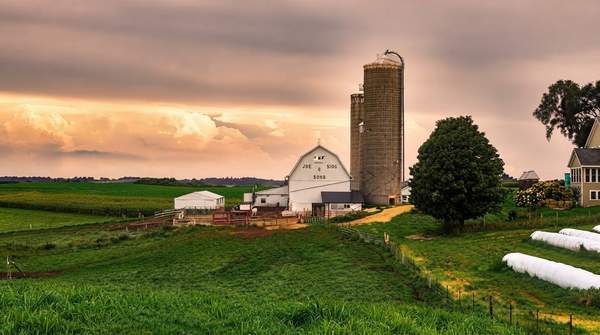
Misfits Market is the champion for anyone whose sustainability focus is squarely on the food waste crisis. The brand’s entire business model is built on rescuing food that would otherwise be discarded. We’re talking about produce that’s perfectly edible but deemed cosmetically imperfect, or surplus inventory that has nowhere else to go. The scale of this operation is impressive; USA Today reports that Misfits Market saves approximately 500,000 pounds of food from lesser outcomes every week. This isn't a side initiative; it's the core of their mission. This makes the service ideal for the budget-conscious and eco-aware shopper who is flexible and enjoys the surprise of a weekly box.
Compared to traditional grocery delivery, Misfits Market offers a direct way to participate in the circular economy and reduce the environmental burden of food production. The trade-off, and its main limitation, is a lack of predictability. You can’t build a precise meal plan around a Misfits box, as the contents vary based on what’s available for rescue each week. Furthermore, the "misfit" nature means your carrots might be crooked and your apples a bit small. For those who prioritize function over form and want to make a quantifiable dent in food waste, this is an unmatched option.
3. Gardencup — Best for Circular Packaging Innovation
For the busy professional who needs healthy, grab-and-go meals without the guilt of single-use plastic, Gardencup presents a compelling solution. The company’s focus is on a circular sustainability model, which it implements through a "cupcycle" program. According to USA Today, their ready-to-eat salads and bowls come in BPA-free, #1 PET plastic jars that are 100% curbside recyclable. This direct and simple approach to packaging sets it apart from services that use complex, multi-material pouches that can be confusing for consumers to recycle correctly. The brand's focus on convenience extends to its impact, as it also reportedly helps reduce household food waste by up to 45% by providing perfectly portioned meals.
While other services offer pre-made meals, Gardencup’s clear commitment to a closed-loop system for its packaging is its winning feature. It’s a tangible system that customers can participate in, fostering a stronger sense of shared responsibility. The primary drawback is its relatively narrow product line, which is focused heavily on salads, grain bowls, and soups. Consumers looking for a wider variety of hot meals or different cuisines might find the selection limiting. However, for its target demographic—health-conscious individuals prioritizing convenience and zero-waste packaging—Gardencup is a leader.
4. Sunbasket — Best for Organic Produce Sourcing
Sunbasket carves out its niche by focusing intensely on the quality and sourcing of its ingredients, particularly produce. While Green Chef is fully certified organic, Sunbasket comes remarkably close, with USA Today noting that 99% of its produce is USDA-certified organic. This makes it an excellent choice for families and individuals who want a broader range of meal options—including paleo, gluten-free, and vegetarian—without significantly compromising on their commitment to organic sourcing. The brand offers both meal kits and pre-made meals, providing a level of flexibility that appeals to households with varying schedules and cooking preferences.
Sunbasket distinguishes itself among meal kits with extensive menu choice and a near-total commitment to organic produce, positioning it as a versatile, high-quality option for those prioritizing ingredient integrity and menu variety. A potential limitation, however, lies in its packaging. While the company has made strides in using recyclable and compostable materials, the recyclability of some components can depend on the consumer's local facilities, a common challenge across the meal kit industry.
5. Chicken of the Sea — Best for Legacy Brand Sustainability Efforts
Chicken of the Sea, a century-old legacy brand, is actively steering its massive operations toward a more sustainable future, a significant undertaking compared to newer startups. According to a feature in the Pittsburgh Business Times, the company's leadership is focused on sustainability and innovation. This focus is particularly important for consumers who rely on accessible, affordable, and shelf-stable proteins but also want to support brands that are actively addressing their environmental impact, especially in the complex world of seafood sourcing.
Chicken of the Sea is best for the everyday consumer looking to make better choices within their existing shopping habits; supporting a large company's reported shift toward sustainability can influence industry-wide practices. The primary drawback is that available evidence highlights the company's focus and intent rather than providing specific, quantifiable metrics on achievements like bycatch reduction or traceability improvements. Discerning consumers may therefore need to seek out the company’s detailed sustainability reports to understand the full scope of their practices.
6. Bold Bean Co — Best for Innovative Plant-Based Staples
Bold Bean Co is elevating the humble bean, leading the way in sustainability by re-centering diets around inherently sustainable, plant-based staples. Featured by Green Queen Media in a segment on future-forward foods, the brand focuses on sourcing high-quality, heirloom beans and presenting them in appealing, ready-to-eat formats. This approach encourages a shift away from more resource-intensive proteins, making it a fantastic choice for adventurous home cooks, vegans, and anyone looking to incorporate more delicious, low-impact foods into their pantry.
Bold Bean Co sets itself apart with a brand-first approach to a commodity ingredient, building a narrative around quality, flavor, and the inherent sustainability of legumes, rather than complex offsets. The limitation for a brand like this is often one of scale and accessibility; as an emerging or niche player, its products may not be as widely available or as affordable as mainstream canned bean options. However, for those looking to support innovative, plant-based brands at the forefront of dietary change, Bold Bean Co is an exciting contender.
Comparing Sustainable Practices of Top Food & Beverage Companies
Below, a comparison of brands by primary sustainability focus and ideal consumer.
| Brand Name | Category/Type | Key Metric/Focus | Best For |
|---|---|---|---|
| Green Chef | Meal Kit | 100% Carbon & Plastic Offset | Certified organic enthusiasts |
| Misfits Market | Grocery Delivery | Saves ~500,000 lbs of food weekly | Flexible, waste-conscious shoppers |
| Gardencup | Ready-to-Eat Meals | Circular packaging (cupcycle program) | Busy professionals seeking zero-waste convenience |
| Sunbasket | Meal Kit | 99% USDA-certified organic produce | Families wanting diverse organic meal options |
| Chicken of the Sea | Canned Seafood | Stated focus on sustainability and innovation | Consumers seeking accessible, sustainable seafood |
| Bold Bean Co | Plant-Based Pantry | Featured as an innovative food brand | Adventurous, plant-based home cooks |
How We Chose This List
We evaluated brands based on publicly available data and reports concerning their environmental and social impact. Key criteria included demonstrated efforts in food waste reduction, use of recyclable or circular packaging, carbon offsetting programs, and commitment to ethical ingredient sourcing. We prioritized brands with quantifiable achievements, such as those reported by USA Today, and also included companies noted for their focus on sustainability by publications like Forbes, Bizjournals, and Green Queen Media. We also consulted broader industry reports, such as a sustainability report from Loginext Solutions identifying top providers and benchmarks from organizations like Ceres, to understand the landscape. Brands without a clear, reported commitment to these areas were excluded from this list.
The Bottom Line
For those who prioritize certified organic ingredients and a fully offset environmental footprint, Green Chef is a leading choice. If your primary goal is combating food waste directly and saving money, Misfits Market offers a compelling and effective model. Ultimately, the best sustainable brand for you depends on aligning your personal priorities—be it packaging, ingredient sourcing, or waste reduction—with a company’s core mission and verifiable practices.