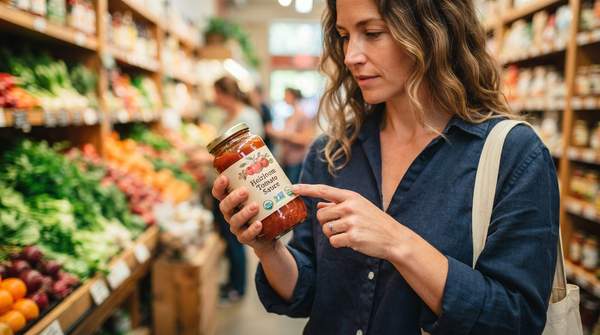
Most shoppers can separate a genuine sustainability certification from greenwashing in under a minute. The method is simple: decide whether a claim is a specific, third-party certification or a vague marketing phrase, look for an official logo and certification number on the package, and confirm the claim on the certifying organization's own website or database. This guide walks through that three-step framework, using U.S. food and beverage labels as examples.
Navigating the Green Maze: Why Verification Matters
Food packages now carry more environmental language than ever, and not all of it means anything. Lifesum's food-label guide describes greenwashing as "conveying a false impression of health benefit or environmental impact of the product," such as labeling a product "eco-friendly," "natural," or "sustainable" without sufficient evidence behind the claim.
The scope of the problem is large. A PlantSwitch guide to eco-label fraud notes that more than 400 eco-labels currently exist, which makes it hard for an ordinary shopper to tell a genuine certification from a marketing gimmick. On the regulatory side, the Federal Trade Commission publishes its Green Guides for environmental marketing, and describes their purpose as covering "general principles that apply to all environmental marketing claims" and "how marketers can qualify their claims to avoid deceiving consumers," including guidance on certifications and seals of approval. Those rules bind marketers, but shoppers still need their own working process.
Step 1: Distinguish Marketing Buzz from Real Certifications
Start by sorting the wording into two buckets. Broad, feel-good adjectives such as "natural," "green," or "eco-friendly" are self-declared claims by the seller. A WEDU PBS overview by Michael Coccia points out that phrases like "all-natural," "chemical-free," and "certified non-toxic" can be displayed without any regulation at all.
The same overview uses a framework from the International Organization for Standardization that is worth knowing. Type 1 labels are the most trusted: they go through third-party verification and require regular reviews. Type 2 labels are self-declared environmental claims. Type 3 labels may be third-party verified but are typically controlled by industry groups or stakeholders. When a label names a specific standard and an independent organization, you are usually looking at the trusted type.