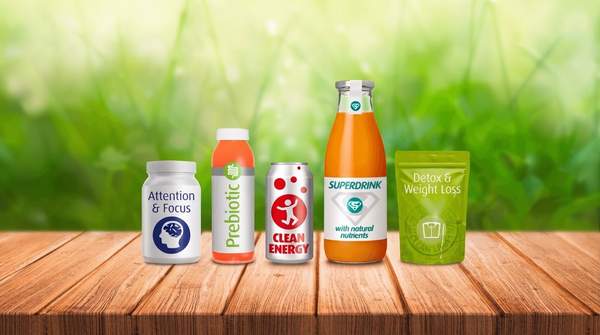
The fastest way to choose a functional non-alcoholic beverage is to work backwards from your wellness goal. The market's four core categories—adaptogen and botanical blends for mood and stress, nootropic blends for focus, probiotic drinks for gut health, and collagen-based beauty drinks for skin—each pair a distinctive set of active ingredients with a specific claimed benefit and a natural place in a daily routine. This guide compares all four side by side and then walks through how to read a label, so you can pick a category with confidence rather than browsing shelf by shelf.
Understanding Functional Non-Alcoholic Beverages
Functional beverages are non-alcoholic drinks formulated to do more than hydrate: instead of intoxication, they aim to provide what a guide from Mitra9 describes as "subtle shifts in mood or mental clarity" using herbal blends, plant extracts, nootropics, or adaptogens. The category has expanded rapidly because consumers are actively shopping for mood-enhancing drinks, drinks for calmness, and drinks that support focus and productivity—especially professionals, creatives, and wellness-focused consumers who want an experience without cognitive impairment.
Industry writing on 2026 trends, summarized by EQUA, notes that adaptogens, nootropics, clean labels, and plant botanicals dominate current demand as consumers seek immediate, measurable benefits from what they drink. The same source frames the practical buying principle that organizes this article: match drinks to your lifestyle and health objective rather than treating all functional drinks as interchangeable.
Two caveats apply throughout. First, the benefits discussed here are the functions claimed by manufacturers and category guides, not an independent scientific review of each ingredient's efficacy—effects are frequently described as subtle and can vary between products and people. Second, this comparison covers broad categories, not brands, and excludes anything alcoholic, CBD- or THC-based, or primarily positioned as an energy drink such as Red Bull or Monster.
Functional Beverage Categories for Your Wellness Goals
The Mood & Stress category is built on adaptogens: herbs, roots, plant substances, and mushrooms commonly used to help the body manage stress. Vibes Beverages, drawing on UCLA Health's explanation of adaptogens, lists common ingredients including ashwagandha, reishi, lion's mane, rhodiola, holy basil, cordyceps, and botanical extracts. Ashwagandha is the category's anchor ingredient—its withanolides, particularly withaferin A, are described as its primary bioactive components, associated with adaptogenic and stress-relieving properties. These drinks are designed for stress management, combating fatigue, and promoting mental clarity, and they suit high-stress lifestyles and daily wellness routines rather than any single moment.
The Mental Focus category is built on nootropics, formulated to enhance cognitive functions like focus, memory, and mental clarity. Typical ingredients include L-theanine, ginkgo biloba, and B vitamins. EQUA's comparison positions these drinks for people seeking mental clarity, while Mitra9 notes strong demand for drinks supporting focus and productivity. The natural occasion is any stretch of work, study, or creative effort that requires sustained concentration.
Gut Health drinks center on probiotics—live cultures added to support digestive health and, per category claims, immune support. EQUA flags this category's honest limitations: live culture viability varies between products, and taste and sugar content are practical trade-offs worth checking on the label. These drinks are geared toward digestive comfort and preventive wellness, taken as part of a regular routine rather than situationally.
Skin & Beauty drinks, as described in Sensaphure's industry category guide, blend collagen peptides, hyaluronic acid, and antioxidants into flavored waters and tonics, aiming to promote skin elasticity along with hair and nail health. The guide notes the ready-to-drink format exists largely for convenience and daily routines, appealing to consumers whose skincare goals extend to what they drink. Again, these are the category's claimed functions, presented for comparison rather than validated as outcomes.