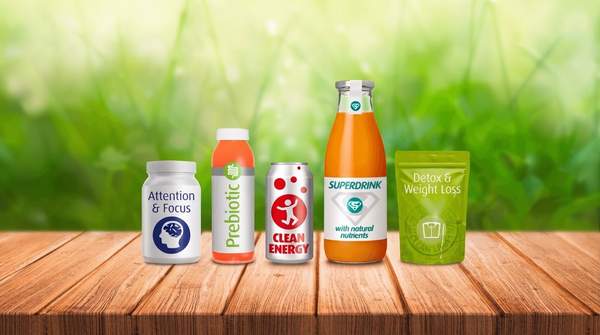
Functional non-alcoholic beverages promise more than refreshment: they are formulated with adaptogens, nootropics, or botanicals to support specific outcomes like stress reduction, focus, or relaxation, according to Floral Beverages' guide to the category. The practical question for any shopper is simpler than the marketing suggests. Decide what feeling you are after—calm, clarity, or social ease—then match that goal to the ingredient classes on the label. This guide explains the two main ingredient families and gives you a lookup framework for reading any product, not just the ones a reviewer happens to rank.
Understanding Functional Non-Alcoholic Beverages
What separates a functional drink from a standard soft drink is intent. As Floral Beverages explains, these beverages target the nervous system rather than just providing hydration or flavor. A review site covering the category, BestNonAlcoholicDrinks.org, describes modern functional beverages as harnessing adaptogens, nootropics, and botanicals to deliver wellness benefits beyond basic hydration, with formulations aimed at focus, relaxation, social confidence, or physical performance.
The category has grown alongside a broader shift away from alcohol. A peer-reviewed article on functional alternatives to alcohol, published in the National Library of Medicine's open-access archive, examines how some alcohol alternatives are designed around neurochemical targets—compounds that act on the brain's inhibitory systems—to approximate alcohol's relaxing effects without intoxication. That scientific framing explains why ingredient lists in this aisle read more like supplement labels than soda labels.
Adaptogens: Supporting Stress Regulation
Adaptogens are the ingredient class most often associated with stress relief. BestNonAlcoholicDrinks.org defines them as herbs that help the body better manage stress and maintain balance during challenging situations. In practice, that means a drink built for unwinding will typically lean on botanicals in this family rather than stimulants.
Common examples include ashwagandha, which The Good Trade's editors associate with stress reduction and mood-boosting sensations in functional beverages, and chamomile and lavender, which appear in what that site calls relaxation or "evening" drinks intended to mimic the winding-down effect of wine or spirits. Floral Beverages notes that adaptogens like lemon balm are claimed to begin regulating the stress response within 30 to 60 minutes of consumption—a timing claim worth remembering, though it is the brand's own characterization rather than an independently verified measurement.