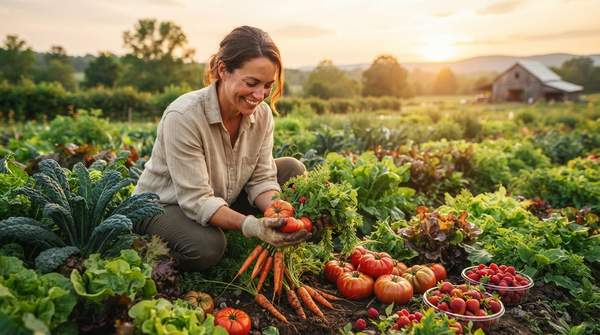
This Earth Day, Natural Grocers is partnering with the Rodale Institute to raise $100,000 for farmer training, signaling a deeper industry shift towards regenerative agriculture, according to Pagosa Daily Post. The retailer champions products meeting its standards for healthier soil and transparent food systems, inviting consumers to make eco-conscious choices for their family meals.
Consumers often assume sustainably sourced food is inherently more expensive or less accessible, but leading brands are proving that strategic investment in eco-friendly sourcing can also mitigate supply chain risks and appeal to a broader market.
As consumer demand for transparency and environmental responsibility grows, companies that embed sustainability deeply into their operations are likely to gain a significant competitive advantage and long-term resilience.
Strategic Sustainability: Beyond Greenwashing
- Frosta AG's strategy centers on sustainability, investing in eco-friendly sourcing and packaging, according to AD HOC NEWS.
- Frosta Pfannengerichte offers pan-ready fish dishes made with Alaskan pollock or similar sustainable sources and simple ingredients.
Frosta integrates sustainability directly into its core product development and sourcing. This moves beyond superficial claims, establishing tangible eco-friendly practices for family meal staples. Such a comprehensive approach proves how businesses can embed sustainability deeply, from raw materials to final product.
Regenerative Agriculture and Farmer Support
Natural Grocers is partnering with the Rodale Institute for its annual Ladybug Love campaign, aiming to raise $100,000 for farmer training programs that champion regenerative organic agriculture. This initiative directly cultivates the foundational practices vital for future food supply and deepens consumer trust, especially given the company's commitment to exclusively selling USDA-certified organic produce, according to investors.

This partnership, alongside a strict organic produce standard, signifies a profound investment in regenerative practices and direct farmer support. It actively improves agricultural ecosystems, meeting the growing consumer demand for transparent, ethically sourced family staples.
Building Resilience Through Ethical Sourcing
Frosta actively mitigates risks from raw material price volatility by employing long-term supplier contracts for its eco-friendly sourcing, according to AD HOC NEWS. This strategy transforms an ethical choice into a financial hedge, proving how sustainability can significantly reduce supply chain risks for family meal staples.
Additionally, Frosta emphasizes minimal additives in its products, appealing to consumers seeking clean eating options. By focusing on supply chain stability and clean ingredients, companies meet consumer demand and build more resilient operations against market volatility, fostering consumer trust.
Based on Frosta AG's strategy, companies viewing sustainability merely as a marketing expense are missing a critical opportunity to build operational resilience and hedge against raw material price volatility.
Raising Standards for Animal Welfare
Natural Grocers exclusively sells pasture-raised, non-confinement dairy products, according to investors. This strict standard anticipates a future where consumers increasingly demand higher ethical treatment for animals, actively reshaping industry norms for family meal staples.
This commitment to animal welfare, coupled with organic produce standards, confirms that successful sustainable business strategies integrate eco-friendly sourcing and ethical practices across all product lines. Such comprehensive approaches are rapidly becoming a baseline expectation for eco-conscious consumers.
If current trends continue, companies that genuinely integrate sustainability and ethical sourcing into their core operations will likely define the future of the food industry, appealing to a growing segment of discerning consumers.