Foods With More Potassium Than Bananas, Including Beet Greens

A single large baked potato contains a staggering 1,600 mg of potassium, dwarfing the 358 mg found in a small banana.

RP
Ryan Patel

April 17, 2026 · 6 min read

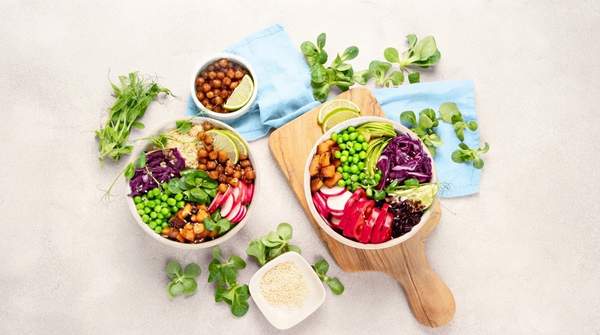
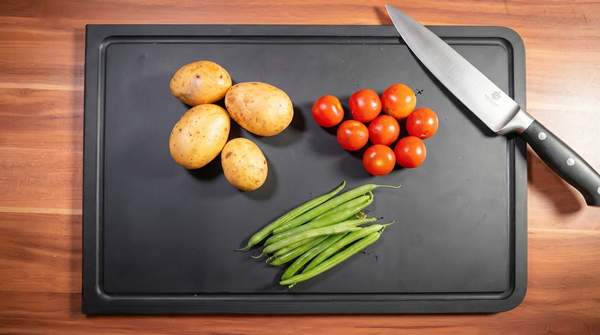
A diverse spread of potassium-rich foods including a large baked potato, beet greens, adzuki beans, and sweet potatoes, highlighting healthier alternatives to bananas.

A single large baked potato contains a staggering 1,600 mg of potassium, dwarfing the 358 mg found in a small banana. The difference between a large baked potato's 1,600 mg of potassium and a small banana's 358 mg reveals a critical oversight in common dietary advice: while bananas are widely celebrated as the go-to potassium source, many common foods offer significantly more per serving. Solely relying on bananas limits dietary diversity and means overlooking nutritionally superior alternatives.

The Unsung Potassium Powerhouses

  • 1,309 mg — One cup of cooked beet greens delivers this amount of potassium, according to Healthline.
  • 1,224 mg — Cooked adzuki beans provide this potassium per cup, as reported by Healthline.
  • 1,110 mg — A large baked sweet potato (235 grams) contains this much potassium, according to Healthline.
  • 1,059 mg — Durian, per cup, offers this substantial amount of potassium, as cited by Healthline.
  • 980 mg — A 1/2-cup (65 g) serving of dried apricots provides approximately this amount, representing 16% of the Daily Value, according to Healthline and Healthdirect.

These foods are true potassium powerhouses, often overlooked despite offering significantly more than a standard banana. The diversity of these foods highlights that optimal potassium intake comes from a varied diet, not just common fruit.

1. Baked Potatoes

Best for: High-potassium staple, versatile, widely available.

A large baked potato provides 1,600 mg of potassium; a medium one offers over 900 mg. Even a half-medium serving delivers 583 mg. Potatoes are an exceptionally effective source for boosting potassium intake, easily incorporated into various meals.

Strengths: Exceptionally high potassium, affordable, versatile. | Limitations: Preparation method impacts nutritional value. | Price: Affordable.
2. Cooked Beet Greens

Best for: Nutrient-dense leafy greens to significantly increase potassium.

Cooked beet greens pack 1,309 mg of potassium per cup, making them one of the most potent vegetable sources. Often overlooked, these greens offer a robust nutritional profile beyond just potassium, highlighting the value of exploring less common options.

Strengths: Very high potassium, rich in other vitamins, adds vibrant flavor. | Limitations: Requires cooking, less widely consumed. | Price: Moderate.

3. Cooked Adzuki Beans

Best for: Vegetarians/vegans needing concentrated legume potassium.

Cooked adzuki beans contain 1,224 mg of potassium per cup. These small, reddish-brown beans, a staple in many Asian cuisines, offer a significant potassium boost along with fiber and protein, serving as a crucial plant-based option for comprehensive nutrition.

Strengths: Excellent potassium, high fiber/protein, versatile. | Limitations: Requires soaking/cooking, less common. | Price: Moderate.

4. Large Baked Sweet Potato

Best for: Sweet, nutrient-rich root vegetable with high potassium.

One large baked sweet potato (235 grams) contains 1,110 mg of potassium. Rich in vitamins A and C, sweet potatoes offer broader nutritional benefits, presenting a flavorful, nutrient-dense alternative to white potatoes.

Strengths: High potassium, rich in vitamins, naturally sweet. | Limitations: Higher in natural sugars than white potatoes. | Price: Affordable.

5. Dried Apricots

Best for: Convenient, snackable source of concentrated potassium.

A 1/2-cup (65 g) serving of dried apricots provides approximately 980 mg of potassium, representing 16% of the Daily Value. Their dried form concentrates nutrients, making them a potent, portable source for on-the-go potassium, though portion control is key due to higher sugar content.

Strengths: Portable, high potassium in small serving, naturally sweet. | Limitations: Higher sugar than fresh fruit, requires portion control. | Price: Moderate.

6. Cooked Lima Beans

Best for: Hearty, fiber-rich legume providing substantial potassium.

Cooked lima beans contain 969 mg of potassium per cup, according to Health. Known for their creamy texture and flavor absorption, these beans are a versatile addition to stews and side dishes, boosting both potassium and satiety.

Strengths: High potassium/fiber, versatile, contributes to satiety. | Limitations: Distinct flavor, requires cooking. | Price: Affordable.

7. Mung Beans

Best for: Nutrient-dense legume for sprouts or cooking.

Mung beans contain 938 mg of potassium per cup, as reported by Healthdirect. Popular in Asian cuisine, these small, green beans are versatile for sprouting or cooking, offering enhanced nutritional value and high potassium.

Strengths: High potassium, easily digestible, versatile for sprouting/cooking. | Limitations: Requires soaking/cooking time. | Price: Affordable.

8. Plantains

Best for: Diverse fruit option, more potassium than bananas.

Plantains contain 663 mg of potassium per cup, according to Health. Unlike bananas, these starchy, nutrient-rich fruits are typically cooked and are a staple in many tropical regions, offering a unique potassium source that requires preparation.

Strengths: Good potassium, versatile in cooking, complex carbohydrates. | Limitations: Requires cooking, not typically eaten raw. | Price: Moderate.

9. Cooked Spinach

Best for: Easily accessible, nutrient-rich leafy green for everyday meals.

Cooked spinach contains 636 mg of potassium per 100 grams, according to NCBI. While fresh spinach appears less dense, cooking reduces its volume, concentrating potassium and making it a significant contributor to daily intake.

Strengths: Widely available, versatile, high potassium when cooked, rich in iron. | Limitations: Volume reduction during cooking can be surprising. | Price: Affordable.

10. Cooked Butternut Squash

Best for: Flavorful, seasonal vegetable with good potassium and versatility.

One cup (140 g) of cooked butternut squash provides approximately 564 mg of potassium, representing 12% of the Daily Value, as noted by Healthline. This popular winter squash offers a sweet, nutty flavor and a good source of vitamins A and C, serving as a flavorful seasonal option.

Strengths: Good potassium, rich in vitamins A/C, versatile in dishes. | Limitations: Seasonal availability, requires preparation. | Price: Moderate.

Beyond the top few, a wide array of vegetables and legumes provide substantial potassium, making it easy to diversify your diet beyond the traditional banana.

Potassium Content: A Broader Look

Food ItemServing SizePotassium (mg)Compared to a Small Banana (358 mg)
Large Baked Potato1 large (299g)1,6004.47 times more
Cooked Beet Greens1 cup1,3093.66 times more
Cooked Adzuki Beans1 cup1,2243.42 times more
Large Baked Sweet Potato1 large (235g)1,1103.10 times more
Small Banana1 small (100g)358Reference
Pinto Beans100 grams4051.13 times more
White Beans1/2 cup (130g)4211.18 times more
Cantaloupe100 grams2670.75 times less
Boiled Beets1/2 cup (85g)2590.72 times less
Milk, 1%100 grams1590.44 times less

Specific food choices are crucial when targeting higher potassium intake. Not all healthy options are equally potent; some foods offer significantly more potassium than a banana, while others contain less.

Understanding Potassium Measurements

Accurate potassium comparisons demand careful attention to serving sizes and measurement methods. Values vary significantly; comparing 100 grams of one food to a single serving of another can skew perceptions. A food with high potassium per 100 grams might contribute little if its typical serving is small. Conversely, larger servings of foods with slightly lower concentrations can still provide substantial amounts. Understanding these nuances empowers consumers to make informed dietary choices.

The Real Takeaway for Your Diet

Diversifying your diet with a range of potassium-rich foods beyond just bananas is key to optimizing nutrient intake. Data clearly shows many common vegetables and legumes offer significantly higher amounts of this essential mineral, often several times more per serving. Consumers fixated on bananas miss out on nutritionally superior and versatile options like potatoes and leafy greens, which, according to Health.hline, can deliver over four times the potassium. This narrow focus overlooks a broader spectrum of nutrient-dense staples.

The enduring myth of the banana as the potassium king highlights a public health communication failure, suggesting that by 2026, improved public health communication will likely shift dietary advice to encourage consumers to explore a wider array of potassium-rich foods, moving beyond the traditional focus on bananas, as evidenced by Healthline and NCBI data.

Frequently Asked Questions About Potassium

What is the recommended daily potassium intake?

The recommended daily intake of potassium for most adults is 4,700 mg, according to Healthline. Achieving this level often requires a diverse diet rich in fruits, vegetables, and legumes rather than relying on a single food source.

Why is potassium important for health?

Potassium is an essential mineral that plays a crucial role in maintaining fluid balance, nerve signals, and muscle contractions, as stated by Healthline. It supports healthy blood pressure and overall cardiovascular function.

Are there any risks associated with too much or too little potassium?

Yes, imbalances can occur. Too much potassium can lead to hyperkalemia, while too little can cause hypokalemia, both of which can have serious health implications, according to Healthline. Maintaining a balanced intake through diet is generally recommended for healthy individuals.