Plant-based eaters can meaningfully increase the iron and zinc they actually absorb by managing two things at every meal: what helps those minerals get in, and what blocks them. The main blockers are phytates, oxalic acid, and polyphenols; the main helpers are vitamin C, careful preparation of grains and legumes, and even everyday aromatics like garlic and onion. The core principle is simple: pair mineral-rich plant foods with an enhancer, and keep known inhibitors away from the meal itself.
Understanding Absorption: Inhibitors and Enhancers
Iron in food comes in two forms, and the distinction matters for anyone eating mostly plants. Heme iron, found in animal-based foods such as offal, red meat, and bivalve molluscs, has a higher bioavailability than non-heme iron, the form present in plant foods such as legumes, nuts, and seeds. That means a plant-based meal can contain a useful amount of iron while delivering less of it into the bloodstream than the same amount from meat would.
The reason is chemistry, not misfortune. A review of iron-deficiency anemia risk in plant-based diets attributes the lower bioavailability of plant iron to compounds often called "anti-nutrients" — phytates, oxalic acid, and polyphenols. These compounds form complexes with iron in the digestive tract, hindering its absorption in the intestine. In other words, the mineral is present in the food, but the inhibitor grabs it before the body can take it up.
Zinc faces a parallel problem, and the practical guidance converges on the same solution. A systematic review comparing nutrient intake in adults consuming plant-based diets with meat-eaters concludes that for iron and zinc, guidance should include advice to improve bioavailability — for example, consuming vitamin C–rich foods with meals to improve iron absorption. The review's framing is worth noting: the goal is not only eating enough of these minerals but improving how much of them the body can actually use.
Scale matters too. Harvard's Nutrition Source, in an article on anti-nutrients by Jessie Powell, points out that the average Western diet usually has enough variety to protect against a true deficiency, while the risk rises where legumes or whole grains are staples eaten with every meal. Plant-based diets are built on exactly those staples, which is why preparation and pairing details carry real weight for this group — not because the foods are bad, but because the same foods supply both the minerals and their main inhibitors.
Key Inhibitors and How to Counter Them
Phytates are the most important inhibitor for both minerals at once. They are concentrated in the very foods plant-based diets rely on: legumes, grains, nuts, and seeds. This creates a puzzle — you cannot simply avoid phytate-containing foods without avoiding your best mineral sources. The answer is preparation. The Vegan Society's zinc guidance highlights soaking, sprouting, and fermenting as ways to reduce phytate content and enhance mineral absorption from these foods.
In practice, that means soaking dried beans, lentils, and grains before cooking rather than cooking them straight from dry; choosing sprouted or fermented versions of staple foods where available, such as tempeh or sourdough; and treating these techniques as a habit rather than an occasional project. Each meal prepared this way lowers the phytate load that would otherwise bind the iron and zinc on the plate.
Polyphenols, including the tannins in tea and coffee, inhibit non-heme iron absorption. The evidence for this effect is specific to iron; whether tea and coffee affect zinc the same way is a reasonable inference from the shared binding mechanism, but it is not directly established in the guidance reviewed here. The practical takeaway is timing rather than elimination: keep tea and coffee away from iron-focused meals, leaving a gap around eating instead of drinking them alongside.
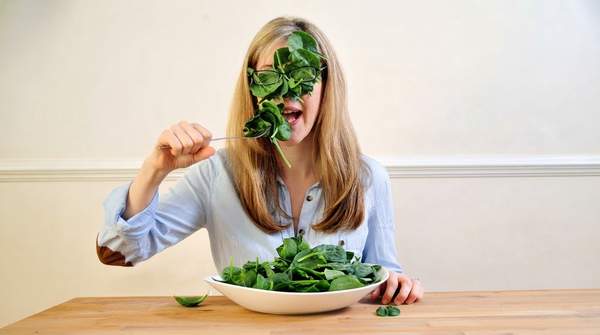
Oxalic acid, found in foods like spinach and rhubarb, also binds minerals. Its direct inhibitory effect on iron and zinc absorption is less consistently documented than that of phytates and polyphenols, so it deserves awareness rather than alarm. High-oxalate vegetables remain nutritious; the sensible hedge is to vary your greens and pair them with an enhancer rather than treating them as foods to avoid.
Inhibitors and Enhancers: Your Quick Reference Guide
The table below sorts the dietary components that matter most into inhibitors and enhancers, and maps each one to a specific action you can take. Use it as a checklist when planning any plant-based meal: identify what is on the plate, check it against the inhibitor rows, and make sure at least one enhancer row is present.
| Factor | Effect | Common Sources | Actionable Strategy |
|---|---|---|---|
| Phytates | Inhibit absorption of both iron and zinc | Legumes, grains, nuts, seeds | Soak, sprout, or ferment before cooking; choose fermented products like tempeh and sourdough |
| Polyphenols/tannins | Inhibit non-heme iron absorption; effect on zinc inferred, not directly established | Tea, coffee | Drink between meals rather than with them |
| Oxalic acid | Binds minerals; effect on iron and zinc less consistently documented than phytates | Spinach, rhubarb | Vary your greens; pair high-oxalate foods with an enhancer |
| Vitamin C | Enhances non-heme iron absorption | Citrus, peppers, tomatoes, berries | Pair with iron-rich plant foods at the same meal |
| Preparation methods | Reduce phytate content, benefiting both minerals | Legumes, grains, seeds | Soak, sprout, or ferment before cooking |
| Garlic and onion | May improve zinc availability from foods | Alliums | Add generously to zinc-rich dishes for flavour and function |
Read as a decision tool, the table says something encouraging: every inhibitor has a counter-strategy that does not require giving up the food. You manage phytates through preparation, polyphenols through timing, and oxalates through variety — while deliberately adding enhancers to the same plate.
Boosting Absorption: Powerful Enhancers
Vitamin C is the best-supported enhancer in the evidence. The systematic review of plant-based nutrition recommends consuming vitamin C–rich foods with meals specifically to improve iron absorption. Practically, this means the vitamin C source needs to be present at the same meal as the iron source — a glass of orange juice at breakfast matters more with your fortified cereal than hours later on its own.
For zinc, the enhancers are different, and this is where many guides fall short. The Vegan Society's guidance highlights garlic and onion as foods that may improve the availability of zinc from meals, alongside their prebiotic fibre and flavour benefits. This gives plant-based cooks a rare win-win: the aromatics that make legume and tofu dishes taste better may also be doing absorption work in the same bite.
Preparation-based enhancers — soaking, sprouting, and fermenting — work for both minerals simultaneously by reducing phytates, the one inhibitor that affects iron and zinc alike. One caution accompanies sprouting: sprouted seeds can carry a risk of foodborne illness if they are not handled safely, a risk noted by the Vegan Society citing the European Sprouted Seeds Association and joint Food and Agriculture Organization and World Health Organization guidance. Source sprouts carefully and handle them with the same hygiene you would apply to any raw food.
These elements combine into a repeatable meal-building framework: base, booster, and blocker-check. Choose a base — an iron- and zinc-rich food such as lentils, beans, tofu, or a fortified grain product. Add a booster — vitamin C for iron, garlic and onion for zinc, and soaked, sprouted, or fermented preparation for both. Then run a blocker-check — move tea and coffee away from the meal, and confirm the grains and legumes on the plate were prepared to reduce phytates.
Worked examples make the framework concrete. A lentil ragù built on soaked lentils, cooked with garlic and onion and finished with tomatoes and bell peppers, hits every element: a mineral-dense base, a vitamin C booster in the sauce, alliums for zinc, and no tannin-containing drinks alongside. A tofu stir-fry with garlic, onion, and vitamin C–rich vegetables does the same for both minerals together. A fortified breakfast cereal paired with citrus or berries, with coffee moved to later in the morning, applies the identical logic to breakfast.
Your Next Steps for Iron and Zinc Optimization
Integrate the base, booster, and blocker-check framework into daily meal planning to consistently enhance iron and zinc absorption from plant-based foods. Start with one change per meal: soak your legumes, add a vitamin C source to the plate, cook with garlic and onion, and shift tea and coffee to between meals. The measurable indicator is increased confidence in meal preparation and a noticeable improvement in energy levels or general well-being over time, without relying on supplements.
One boundary is worth restating: this article covers dietary strategies for healthy adults on plant-based diets, not the treatment of diagnosed deficiencies, and it does not offer medical advice or supplementation recommendations. Anyone who suspects a deficiency should speak with a healthcare professional, since fatigue and other symptoms have causes that food pairing alone cannot address.
Sources
- Plant-Based Diet and Risk of Iron-deficiency Anemia. A Review of the Current… — PMC
- Nutrient Intake and Status in Adults Consuming Plant-Based Diets Compared to Meat-Eaters: A Systematic Review - PMC
- Are Anti-Nutrients Harmful? • The Nutrition Source — The Nutrition Source - Harvard Chan School
- Zinc — The Vegan Society