Protein is often treated as shorthand for weight loss, but the connection is more specific than that. Protein does not make calories irrelevant or turn an ordinary diet into a fat-burning plan. Its real value during weight management comes from helping people stay satisfied, meet nutritional needs, and preserve lean tissue while eating less overall.
That distinction makes protein worth understanding before adding another shake, powder, or high-protein snack to the day. SPT Nourish includes protein and nutrition products within its wider wellness offering, giving people interested in weight management another place to explore options that may fit an existing eating routine.
Protein Can Make a Calorie Deficit Easier to Live With
Weight loss generally requires consuming less energy than the body uses over time. The difficult part is rarely understanding that principle. The difficult part is following it consistently without feeling hungry, depleted, or overly restricted.
Protein can help because it tends to be more satiating than refined carbohydrate-heavy foods. A meal containing a meaningful amount of protein may keep someone satisfied longer than one built mostly around quickly digested carbohydrates.
That does not mean adding protein automatically produces weight loss. A high-protein food or supplement still contributes calories, and total intake remains part of the equation. The more practical question is whether protein helps someone build meals that are satisfying enough to support the eating pattern they are trying to maintain.
That is a different job from promising rapid results. Protein is most compelling when it makes a sensible nutrition plan easier to follow.
Weight Loss Is Also About What You Keep
Losing weight is not the same as losing only body fat. During a calorie deficit, the body can also lose lean tissue, including muscle.
Adequate protein intake helps supply the amino acids needed to maintain and repair muscle tissue. Resistance exercise adds another important signal by giving the body a reason to preserve muscle while weight decreases.
This combination becomes especially important for people who are dieting aggressively, older adults concerned about maintaining strength, and anyone who wants weight loss to support rather than undermine physical function. The number on a scale may fall either way, but retaining more lean mass can make the outcome more meaningful.
Protein supplements can contribute to this goal when food intake alone does not conveniently meet someone’s needs. They are one tool within a wider diet and activity plan, not a substitute for either.
A Protein Product Solves a Different Problem From a Full Meal
One of the easiest mistakes in weight-management nutrition is treating anything labeled “protein” as nutritionally interchangeable.
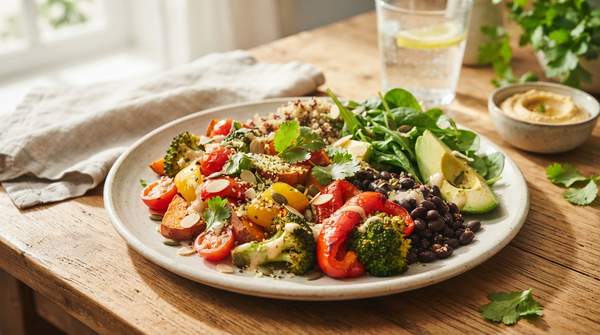
A protein supplement is usually designed to provide concentrated protein in a convenient form. A complete meal has a broader job. It may supply protein alongside carbohydrates, fats, fiber, vitamins, minerals, and enough energy to keep someone functioning comfortably for several hours.
Those roles can overlap, but they are not identical. Someone rushing between appointments may find a protein product useful because convenience is the immediate problem. Someone who routinely skips vegetables, whole grains, or other nutrient-rich foods has a different nutritional issue that extra protein alone will not solve.
This is where SPT Nourish’s protein and nutrition categories can fit naturally into the conversation. People exploring the brand can approach those products as additions to an eating routine rather than assuming that a single item needs to replace everything else on the plate.
The Best Protein Choice Depends on the Job It Needs to Do
Protein products across the wider market vary considerably in composition. The useful comparison is not simply which package displays the largest protein-related claim.
The grams of protein per serving tell you how much protein the product actually contributes. Total calories show how much energy comes with that serving. Depending on the formulation, carbohydrates, fats, sweeteners, flavoring ingredients, and other additions may also shape how the product fits into a particular diet.
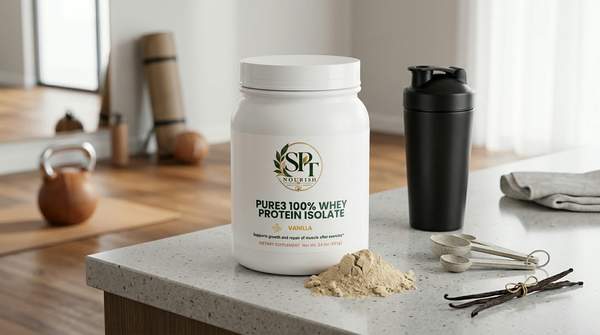
Protein source can influence the decision as well. Whey is milk-derived and provides all nine essential amino acids. Soy is also a complete protein, while other plant-based proteins may use different sources or combinations to create their amino acid profile.
Dietary preference, allergies, digestive comfort, and overall eating habits can therefore be more informative than whether one protein source is fashionable at the moment. A dairy-based product may suit one person perfectly and be unusable for another.
For weight management, the most sensible option is the one that contributes the desired protein without accidentally creating a larger nutritional mismatch elsewhere in the day.
When Supplemental Protein Is Actually Practical
Protein supplements become most appealing when they solve a recognizable problem.
Someone who regularly eats a low-protein breakfast may use a protein product to improve the balance of that meal. A person with a demanding schedule may want an option that requires less preparation than cooking another full dish. Someone increasing resistance training may discover that reaching a higher protein target through ordinary meals feels cumbersome.
In each case, the product earns its place by making the routine easier to execute.
That is more useful than adding protein simply because “high protein” sounds healthy. If someone already eats enough protein through eggs, dairy, fish, meat, beans, lentils, tofu, or other foods, another supplement may add little beyond extra calories and expense.
SPT Nourish’s protein offering is most commercially relevant in that practical middle ground: people who have a reason to add protein and want nutrition products that can work alongside the rest of their diet.
Protein Intake Does Not Need to Be All or Nothing
The general recommended dietary allowance for protein for healthy adults is about 0.8 grams per kilogram of body weight per day. That figure is a baseline for meeting basic needs rather than a universal target for every lifestyle or goal.
Physical activity, age, total calorie intake, and individual health circumstances can change how much protein is appropriate. People who regularly perform resistance exercise may aim higher, while some medical conditions require more individualized guidance.
It can also be easier to distribute protein across the day than to concentrate most of it into one meal. Breakfast, lunch, dinner, and snacks can each contribute rather than leaving the entire target for the evening.
This approach tends to fit ordinary life better. It turns protein from a number to chase into something integrated across meals and, where appropriate, supplements.
Weight-Management Nutrition Works Better Without a “Magic” Ingredient
Protein deserves attention precisely because its role is useful without being miraculous.
It can support fullness. It contributes to muscle maintenance. It may make daily protein targets easier to meet. None of those benefits require turning protein into the single explanation for weight loss.
That perspective also makes it easier to avoid extremes. Someone does not need every meal to be built around a protein supplement, nor does a balanced diet become inadequate because it contains ordinary carbohydrate or fat sources.
Instead, protein can sit where it belongs: as one important part of a diet that also provides fiber, micronutrients, adequate energy, and enough variety to remain enjoyable.
For people managing a health condition that affects dietary protein requirements, including kidney disease, personalized medical or nutritional advice is appropriate before making a substantial increase.
Find a Protein Routine That Fits Real Life
The most sustainable nutrition strategy is rarely the one with the most rules. It is the one a person can repeat on busy mornings, ordinary workdays, weekends, and the less-than-perfect days that inevitably happen.
Protein can contribute to that consistency when it improves satisfaction or makes a nutritional target easier to reach. The key is using it for a clear purpose rather than expecting it to do the entire job of weight management.
SPT Nourish offers protein and nutrition products alongside supplements and beauty essentials, creating a broader wellness destination for people refining different parts of their routine. Those exploring its protein range can focus on finding options that complement their dietary preferences, existing meals, and realistic day-to-day needs.
Frequently Asked Questions
Can Eating More Protein Reduce Hunger?
Protein can promote greater satiety than some lower-protein meals, which may help people feel satisfied for longer. The effect varies among individuals and does not remove the need to consider total calorie intake.
Can Protein Help Preserve Muscle During Weight Loss?
Adequate protein can support lean-tissue maintenance during a calorie deficit, particularly when combined with resistance exercise. Muscle preservation depends on both nutrition and physical activity rather than protein intake alone.
Should Protein Replace a Meal?
A protein product and a complete meal do not necessarily provide the same nutrition. A supplement may contribute protein conveniently, while a balanced meal can also supply fiber, carbohydrates, fats, vitamins, minerals, and other nutrients.
Who Should Be Cautious About Increasing Protein?
People with kidney disease or other conditions that affect protein requirements should discuss major dietary changes with a qualified healthcare professional. Individual needs can differ substantially from general nutrition guidance.