If you're taking a GLP-1 medication for weight management, the short answer to "what should I eat?" is this: lean proteins, high-fiber and high-water-content fruits and vegetables, whole grains, legumes, nuts, and seeds—while limiting refined carbohydrates, sugary drinks, high-fat and greasy foods, and alcohol. That's the combined guidance of a joint advisory from the American College of Lifestyle Medicine, the American Society for Nutrition, the Obesity Medicine Association, and The Obesity Society, alongside practical recommendations from registered dietitians and clinicians writing for UCHealth and Baylor Scott & White Medical Center. Because GLP-1s suppress appetite, every bite has to do more work: food choices can help you avoid common early side effects like nausea and constipation, and they determine whether you get enough protein, fiber, and micronutrients on far fewer calories.
Understanding GLP-1 Medications and Dietary Needs
GLP-1 medications reduce appetite, which means most people eat substantially less than they did before starting. "The mantra for people with diabetes and without diabetes is the same: We encourage them to eat 50% of what they would normally eat without the medication," said Shannon Christen, a UCHealth registered dietitian and diabetes educator, in reporting by Todd Neff for UCHealth Today. That creates two distinct dietary pressures. In the short term, food choices can help you avoid common side effects such as nausea and constipation as you ramp up on the medication. Over the longer term, if you're taking in fewer calories, those calories need to deliver in terms of protein, fiber, and nutrients.
Baylor Scott & White's guidance frames the same problem from the nutrition side: with a smaller appetite, iron, magnesium, and several other important micronutrients can fall short. The right approach isn't about restriction—it's about making sure the food you do eat protects your muscle mass, keeps your energy steady, and helps you manage or avoid the side effects that are most common in the early weeks. Prioritizing nutrient-dense, minimally processed foods gives your body what it needs to maintain muscle, stay energized, and minimize side effects.
GLP-1 Food Choice Decision Framework
The framework below maps the two most common GLP-1 side effects—constipation and nausea—and the two most important nutritional goals—preserving muscle mass and ensuring nutrient adequacy—to the food categories and specific examples that address each one. Use it by identifying your current challenge in the first column, then working across the row to see what to prioritize and why.
| Primary Goal or Symptom | Recommended Food Categories | Specific Food Examples | Rationale / Benefit |
|---|---|---|---|
| Manage constipation | High-fiber foods and foods with high water content | Lower-glycemic fruits: apples, blackberries, blueberries, oranges, pears; non-starchy vegetables | Fiber supports regular bowel movements; high water content helps prevent constipation and dehydration, without rapid blood sugar changes |
| Reduce nausea | Bland, easily digestible foods; small, frequent meals; adequate hydration | Smaller portions eaten slowly, spread across the day | Small, frequent meals and proper hydration are key strategies for managing gastrointestinal side effects |
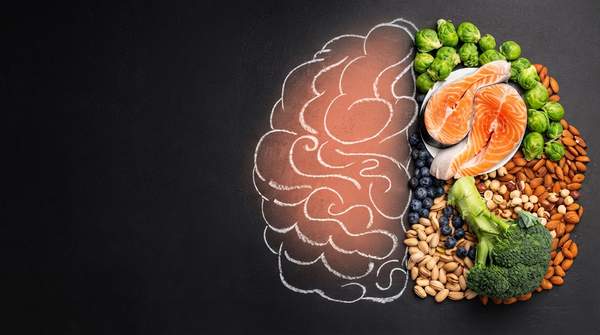
| Preserve muscle mass | Lean protein sources | Chicken, fish, eggs, beans, lentils | Protein is essential for maintaining muscle during weight loss; aim for 1.0–1.5 grams of protein per kilogram of actual body weight daily |
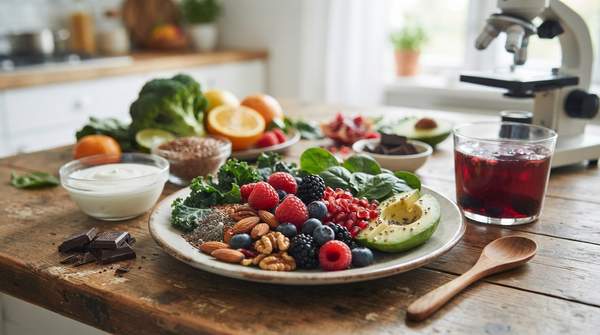
| Ensure nutrient adequacy | Nutrient-dense, minimally processed foods | Fruits, vegetables, whole grains, legumes, lean proteins, nuts, and seeds | Delivers vitamins and minerals within a substantially lower-calorie diet, guarding against shortfalls like iron and magnesium |
The reasoning behind the constipation row comes from GoodRx's clinical guidance, authored by Brian Clista, MD: lower-glycemic fruits are less likely to cause rapid changes in blood sugar, and fruits are a good source of fiber while many also have high water content. Because GLP-1s reduce overall food intake, eating fruit helps you get the nutrients your body needs in smaller portions—apples, blackberries, blueberries, oranges, and pears are the specific examples listed.
Prioritizing Protein for Muscle Preservation
Muscle loss is the central nutritional risk of rapid weight loss on a GLP-1, and protein is the countermeasure. The joint advisory from the four medical organizations recommends aiming for 1.0–1.5 grams of protein per kilogram of actual body weight daily to mitigate muscle loss during weight reduction. That's a concrete, checkable target: someone weighing 80 kilograms, for instance, would aim for roughly 80–120 grams of protein per day under that guidance.
Getting there on a reduced appetite means choosing protein sources that deliver a lot per bite. Baylor Scott & White's guidance names chicken, fish, eggs, beans, and lentils as lean protein examples—foods that also help with satiety, so they work with the medication rather than against it. UCHealth's reporting makes the same point from the calorie-budget angle: when you're eating about half of what you normally would, the calories you do take in need to deliver protein, fiber, and nutrients rather than empty energy. Spreading protein across smaller, more frequent meals also fits the nausea-management strategy, since smaller portions tend to sit better than fewer large ones, especially in the early weeks.
Foods and Beverages to Limit or Avoid
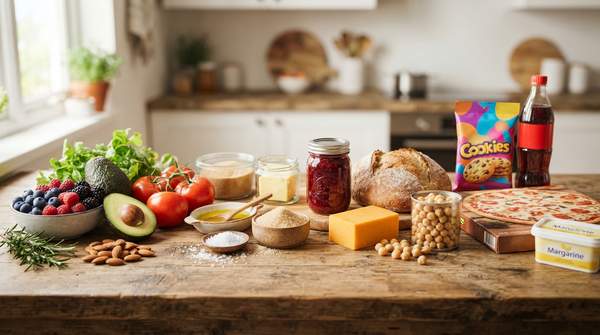
Just as important as what to eat is what to skip. The joint advisory is explicit: individuals using GLP-1s should be counseled to avoid refined carbohydrates (refined grains, flour, starches, and sugars), sugar-sweetened beverages, red and processed meats, and most fast foods, ultraprocessed sweets, and savory snacks. Baylor Scott & White's guidance adds practical detail on why these categories cause trouble:
- Sugary foods and refined carbohydrates—candy, pastries, white bread, sugary cereals—offer very little nutritional value for the calories they carry, and can cause blood sugar spikes and crashes that leave you feeling tired and hungry again faster.
- High-fat and greasy foods—including fast foods and fried items—can worsen nausea and digestive discomfort, which are already common GLP-1 side effects.
- Sugar-sweetened beverages—soda, specialty coffees, juice—add calories and sugar without making you feel full, a poor trade when your calorie budget is small.
- Alcohol—can worsen nausea and acid reflux. Notably, Baylor Scott & White reports that many people described a decreased desire to drink alcohol while taking a GLP-1, so cutting back may be easier than expected.
One individual-response caveat from the same source: spicy foods may increase heartburn, a common side effect of GLP-1 medications, so it's worth watching how your body responds to specific choices rather than assuming a universal trigger list.
General Dietary Strategies for GLP-1 Users
Beyond specific foods, a few eating-pattern habits support the whole framework. Eat smaller portions and eat slowly—both help manage the gastrointestinal side effects that cluster in the early weeks of treatment. Staying upright after meals helps too; Baylor Scott & White notes that even a 10-minute walk can make a difference. Structuring your day around smaller, more frequent meals rather than a few large ones tends to sit better and makes the protein target easier to hit incrementally.
Hydration deserves its own line. Water content in food matters for constipation prevention, and adequate fluid intake is part of the nausea-management guidance in the joint advisory. When appetite is suppressed, drinks can also help carry nutrients—though the same rule applies: choose options without added sugar, since sugary drinks work against both your calorie budget and your satiety.
Finally, keep the professional layer in view. The joint advisory emphasizes that clinicians should provide dietary counseling for individuals using GLP-1s, and UCHealth's reporting features registered dietitians precisely because individual needs vary. This article isn't medical advice, doesn't cover medication dosages or drug comparisons, and can't replace a consultation with your healthcare provider or a registered dietitian for a personalized plan.
Making Informed Dietary Choices on GLP-1 Medications
The decision framework is straightforward: individuals using GLP-1 medications should proactively choose nutrient-dense foods, prioritize lean protein, and limit high-fat and sugary items to effectively manage side effects and maintain nutritional health. Concretely, that means building meals around chicken, fish, eggs, beans, and lentils for protein; apples, berries, oranges, and pears plus non-starchy vegetables for fiber and water; and whole grains, legumes, nuts, and seeds for micronutrient coverage—while keeping refined carbohydrates, sugar-sweetened drinks, greasy fast food, and alcohol to a minimum.
How will you know it's working? Watch for a reduced incidence of gastrointestinal side effects—nausea and constipation in particular—and sustained energy levels as your indicators of effective dietary management. Both are observable in daily life, and both are exactly what the food choices above are designed to support. If those symptoms persist or worsen despite these adjustments, that's the signal to bring your eating pattern to your healthcare provider or a registered dietitian for individualized guidance.