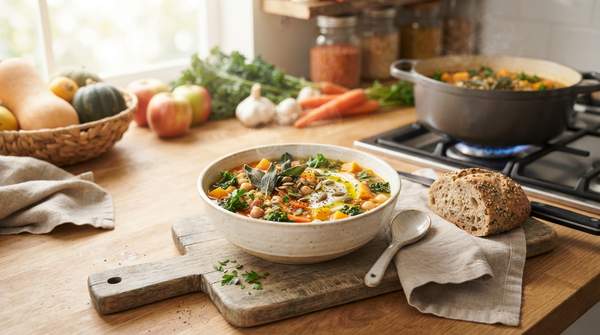
A pork soba stir-fry, packed with protein and low in sugar, can be on your table in under 30 minutes using just six ingredients, according to Healthline. Preparing a healthy, protein-rich meal often feels like a time-consuming chore, yet a variety of stir-fry recipes can be completed in under 30 minutes. Therefore, busy individuals can easily achieve nutritious, homemade meals without sacrificing time or health, shifting away from less healthy convenience options. Making stir-fries at home provides unparalleled control over ingredients, transforming a quick dish into a genuinely health-optimized solution that surpasses typical pre-prepared alternatives.
Speedy & Nutritious Stir-Fry Recipes for Any Craving
Discover diverse stir-fry options that cater to various tastes and dietary needs, all prioritizing speed and nutrition. A fulfilling meal can be achieved rapidly, often outperforming takeout in both speed and health. The true benefit lies in customizing ingredients for optimal wellness, a flexibility rarely found in pre-made options.
1. Pork Soba Stir-Fry
Best for: Individuals seeking a quick, low-sugar, high-protein meal.
This recipe from Healthline uses just six ingredients and takes under 30 minutes. With only 7.1 grams of sugar per serving, it's a mindful choice for managing sugar intake.
Strengths: Minimal ingredients, fast preparation, low sugar. | Limitations: May not suit those avoiding pork or gluten. | Price: Moderate.
2. Chicken Stir-Fry with Broccoli and Bok Choy
Best for: Health-conscious eaters prioritizing protein and fiber.
This vibrant stir-fry from Healthline delivers 35.9 grams of protein and 4.6 grams of fiber per serving. Broccoli, bok choy, and green onions ensure a generous helping of vegetables, making it a powerhouse for nutrient density.
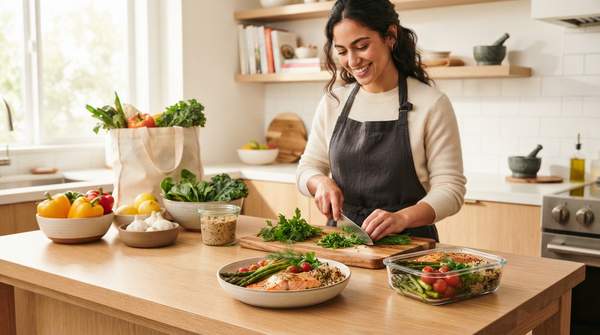
Strengths: High protein, high fiber, rich in vegetables. | Limitations: Requires a broader ingredient list than some minimalist options. | Price: Moderate.
3. Healthy Vegetable Stir Fry (Cooking for Keeps Recipe)
Best for: Those focused on maximizing vegetable intake and minimizing cooking time.
This Cooking for Keeps recipe comes together in about 20 minutes. Vegetables cook in stages—3-4 minutes for the first batch, 1-2 minutes for the second—ensuring crisp-tender results and maximum nutrient retention.
Strengths: Extremely fast, optimizes vegetable texture, highly customizable. | Limitations: Requires careful timing of vegetable additions. | Price: Low to moderate, depending on seasonal vegetables.
4. Vegan Soba Noodle Stir-Fry with Orange Citrus Dressing
Best for: Plant-based diets seeking a protein-rich, flavorful option.
This vegan stir-fry from Healthline offers 22.3 grams of protein per serving, combining soba noodles with a bright orange citrus dressing. It proves plant-based meals can be both quick and nutritionally substantial, challenging common perceptions about vegan cooking.
Strengths: High protein for a vegan dish, unique flavor profile, quick preparation. | Limitations: May require specific ingredients for the dressing. | Price: Moderate.
5. General Vegetarian Stir-Fry
Best for: Beginners or those seeking maximum flexibility with ingredients.
This versatile vegetarian stir-fry from Healthline is ready in under 30 minutes. It allows for easy substitution of vegetables and protein sources like tofu or tempeh, adapting to any pantry and reducing food waste.
Strengths: Highly adaptable, quick, caters to various dietary needs. | Limitations: Less specific guidance on exact nutritional content. | Price: Low to moderate.
6. Peanut Stir-Fry (with homemade sauce)
Best for: Fans of rich, savory, and slightly sweet flavors with ingredient control.
Craft a healthier version of this classic with a homemade peanut sauce. Fannetastic Food suggests combining 3 tablespoons each of peanut butter, soy sauce, and rice vinegar, plus 1 tablespoon of honey and 2 teaspoons of ginger. This ensures precise control over sugar and sodium.
Strengths: Customizable sauce, distinct flavor, healthier than store-bought sauces. | Limitations: Requires several common pantry ingredients for the sauce. | Price: Moderate.
7. Sriracha Stir-Fry (with homemade sauce)
Best for: Those who enjoy a spicy kick and prefer to manage their spice level.
Create a customizable spicy profile with a homemade sriracha sauce. Fannetastic Food suggests 1 teaspoon sriracha, 2 tablespoons low-sodium soy sauce, 2 tablespoons rice vinegar, 1 tablespoon honey, 1 clove garlic, and 1 teaspoon ginger. This allows for precise flavor and heat adjustment.
Strengths: Adjustable spice, control over sodium and sugar, bold flavor. | Limitations: Requires a few sauce ingredients. | Price: Low to moderate.
8. Teriyaki Stir-Fry (with homemade sauce)
Best for: Traditionalists seeking a healthier version of a familiar flavor.
Significantly reduce added sugars and sodium with a homemade teriyaki sauce. Fannetastic Food's version uses 2 tablespoons soy sauce, 2 tablespoons rice vinegar, 3 tablespoons orange juice, 2 tablespoons honey, and 1/2 teaspoon cornstarch. This offers a healthier, customizable take on a classic.
Strengths: Healthier traditional flavor, customizable sweetness, common ingredients. | Limitations: Requires basic sauce preparation. | Price: Moderate.
Quick & Healthy Options at a Glance
Distinct advantages in preparation time, ingredient count, and nutritional output across popular stir-fry options are revealed. It helps busy home cooks select recipes aligning with their specific dietary goals, proving that speed does not necessitate sacrificing nutrition.
| Recipe | Key Benefit | Preparation Time | Key Nutritional Metric |
|---|---|---|---|
| Pork Soba Stir-Fry | Minimal ingredients | Under 30 minutes | 7.1 g sugar per serving |
| Chicken Stir-Fry with Broccoli and Bok Choy | High protein & fiber | ~25-30 minutes | 35.9 g protein, 4.6 g fiber per serving |
| Healthy Vegetable Stir Fry | Fastest cooking | ~20 minutes | Optimized vegetable texture |
| Vegan Soba Noodle Stir-Fry | Plant-based protein | ~25-30 minutes | 22.3 g protein per serving |
| General Vegetarian Stir-Fry | High adaptability | Under 30 minutes | Flexible nutrient profile |
Mastering the Art of the Quick Stir-Fry
Efficient, delicious stir-fries for busy weeknights hinge on precise timing and staged cooking. The remarkably short active cooking times, detailed by Fannetastic Food and Cooking for Keeps, suggest the real barrier to healthy eating isn't time, but a misconception about quick, nutritious meal prep.
For vegetables, staged cooking ensures ideal texture and nutritional integrity: 3-4 minutes for the first batch, 1-2 minutes for the second, according to Cooking for Keeps. Proteins also follow specific timings: shrimp and thinly sliced steak need 3-4 minutes, while cubed chicken and tofu require 5-7 minutes, as reported by Fannetastic Food. Understanding these optimal times preserves nutrients and texture, elevating home cooking beyond takeout.
A modular approach, adding ingredients based on individual cooking times, offers unparalleled control. Home cooks can tailor meals for specific dietary needs and maximize nutrient density, a level of customization impossible with pre-prepared or takeout options. This empowers individuals to truly optimize for goals like maximum fiber or minimal sugar.
Your Weeknight Solution for Health & Speed
The stir-fry consistently delivers on both speed and nutritional value for quick, healthy weeknight meals. Healthline data shows stir-fries with over 35 grams of protein and under 8 grams of sugar are ready in under 30 minutes. Consumers needlessly sacrifice nutritional gains by choosing takeout over quicker, healthier homemade alternatives. For more, see our Quick Heart Healthy Dinners Ready.
A homemade stir-fry offers over 35 grams of protein and nearly 5 grams of fiber in under 30 minutes, a nutritional punch surpassing less healthy takeout. Maximize texture and nutrient retention by cooking vegetables in stages: broccoli takes longest, followed by bell peppers, onion, mushrooms, and asparagus.cording to Cooking for Keeps. This simple staging elevates homemade stir-fry quality.
The consistent, staged cooking methodology of stir-fries, exemplified by Healthline's chicken stir-fry offering over 35 grams of protein in under 30 minutes, will likely see consumers significantly reduce their reliance on less nutritious takeout, demonstrating a clear path to health and efficiency.
Common Stir-Fry Questions Answered
How to make a healthy stir fry sauce?
Create a healthy stir-fry sauce by balancing savory, sweet, and tangy elements while controlling sodium and sugar. Fannetastic Food notes cornstarch effectively thickens: a slurry of 1/2 teaspoon cornstarch mixed with 1 tablespoon cold water, added at the end, achieves desired consistency and a glossy finish without excessive fat.