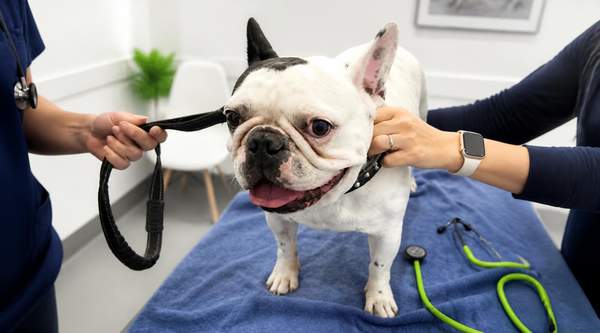
Managing diabetes in a pet involves more than choosing the right food and attending veterinary appointments. For many dogs and cats, treatment includes regular insulin injections at home, which can become a challenging part of daily life when an animal is frightened by needles or resists handling. Comfort-in™ offers a needle-free injection system designed for compatible subcutaneous medication delivery, giving pet owners another option to discuss with their veterinarian.
A needle-free insulin injector for dogs or cats may appeal to owners who want to make treatment less stressful. However, every diabetic animal has individual medical needs, and changing the way insulin is administered requires careful professional guidance. Understanding how jet injection works, what to check before purchasing a device and how to establish a consistent routine can help owners make informed decisions about their pet's care.
Understanding Diabetes in Dogs and Cats
Diabetes mellitus affects how an animal's body regulates blood glucose. Insulin plays a central role in helping glucose move from the bloodstream into cells, where it can be used for energy. When a pet cannot produce enough insulin or use it effectively, blood glucose levels can become abnormally high.
Dogs and cats may show signs such as increased thirst, more frequent urination, changes in appetite or unexplained weight loss. Some cats develop weakness in their hind legs, while diabetic dogs may develop cataracts. These signs can have other causes, so a veterinarian must evaluate the animal and perform appropriate testing.
For many pets diagnosed with diabetes, insulin therapy becomes an important part of ongoing treatment. The veterinarian determines the appropriate insulin preparation, dose, administration schedule and monitoring plan according to the animal's condition.
Owners then take on a practical daily responsibility: administering medication correctly and observing their pet for changes. If an animal becomes frightened by the sight of a needle or repeatedly struggles during injections, the routine can become stressful for both pet and caregiver.
A needle-free delivery option may be worth discussing in these circumstances, provided the device is compatible with the prescribed insulin and the veterinarian approves its use.
What Is a Needle-Free Insulin Injector?
A needle-free insulin injector delivers liquid medication through the skin using a high-pressure stream rather than a conventional hypodermic needle. This method is known as jet injection.
In a spring-powered device such as Comfort-in, the mechanism generates pressure that propels the prepared liquid through a small nozzle. The stream passes through the skin and delivers medication into the intended tissue layer when the system is used correctly.
For diabetic pets, the relevant consideration is subcutaneous delivery. Insulin prescribed for administration beneath the skin must reach the appropriate tissue, and the selected injector must be suitable for that medication and its required dose.
Comfort-in offers a subcutaneous injector kit marketed for insulin administration in dogs, with adapter options intended to support compatible insulin containers. Its product information also addresses feline diabetes, making the system relevant to owners of both dogs and cats who want to investigate needle-free delivery.
Nevertheless, the absence of a conventional needle does not make the process risk-free or suitable for every animal. Correct medication handling, device preparation, positioning and administration remain essential.
Could Needle-Free Insulin Delivery Help a Nervous Pet?
Some animals become distressed when they see a syringe or feel a conventional needle entering the skin. Others resist restraint, move unexpectedly or associate medication time with an unpleasant experience. These reactions can make a necessary daily treatment difficult to manage.
A needle-free injector changes the physical experience of administration by removing the conventional injection needle. For some pets, this may reduce one source of anxiety, particularly when needle visibility or the approach of a syringe is part of the problem.
However, pets respond differently to unfamiliar equipment. A dog may react to the injector's sound or the brief pressure sensation, while a cat may dislike being held in position. A device that helps one animal may not make another more comfortable.
Owners should therefore consider the whole experience rather than focusing only on the needle. A quiet environment, calm handling, a predictable schedule and appropriate positive reinforcement can all contribute to a more manageable routine.
Before introducing a new device, ask the veterinarian whether it is appropriate for the pet's insulin and medical circumstances. If the animal is extremely fearful or difficult to handle, the veterinarian may also recommend strategies for gradual acclimation and safer restraint.
Choosing the Right Needle-Free Injector for Your Pet
Selecting a needle-free insulin injector involves several checks. The first is medication compatibility. Not every insulin preparation is suitable for every delivery system, and a device's general ability to administer liquid medication does not establish that it will work correctly with a particular insulin.
Confirm the exact insulin product, its formulation and the required administration route. The veterinarian should help establish whether the proposed device is suitable and whether any changes to the treatment plan are necessary.
Dose accuracy is equally important. Insulin dosing is highly specific, and the amount prescribed for an individual animal must not be changed simply because the delivery device is different. Ask how the prescribed dose will be measured and administered with the proposed system, and obtain clear instructions before using it.
The injector's nozzle and adapter configuration also matter. Comfort-in provides adapter options for compatible medication containers, including insulin vials and certain insulin pens. Buyers should verify which adapter fits their actual packaging rather than assuming that all pens, cartridges and vials are interchangeable.
Finally, review the instructions, kit contents and replacement requirements. Comfort-in kits may include the injector, a pressure lever, nozzles, an adapter and an instruction manual, although exact contents depend on the product selected. Understanding these details before ordering can prevent avoidable confusion when it is time to begin treatment.
Establishing a Consistent Home Injection Routine
Consistency is important when managing a diabetic pet. Insulin should be administered according to the veterinarian's instructions, including the prescribed timing and relationship to meals. Owners should not adjust the dose, change the schedule or substitute an administration method without professional guidance.
Start by preparing a calm, familiar area for treatment. Have the prescribed medication and required equipment ready, and follow the device manufacturer's preparation instructions. Keep the animal as relaxed as possible, using handling methods recommended by the veterinary team.
If the veterinarian has approved a needle-free injector, learn the technique before attempting routine administration. The nozzle must be positioned correctly, and the device must make the required contact with the skin. Owners should follow the instructions for the specific model rather than relying on demonstrations intended for another configuration.
After administering insulin, observe the injection site and the animal's behaviour. Keep a record of doses, meal timing, glucose readings when recommended and any unusual reactions. These records help the veterinarian evaluate whether the treatment plan is working as intended.
If the injection appears incomplete, medication leaks onto the skin or the pet moves during administration, do not automatically repeat the dose. Giving an additional amount could result in too much insulin being administered. Contact the veterinary team for guidance on what to do.
Hygiene, Supplies and Safe Device Handling
A reusable injector still requires careful hygiene. The injector itself and the disposable components have different handling requirements, so owners must follow the manufacturer's current instructions for cleaning, storage and replacement.
Comfort-in specifies that its nozzles or syringes are intended for single use. Adapters also have specific limitations and should not be reused beyond the conditions stated in the instructions. Reusing components improperly can compromise sterility and the reliability of the administration process.
Before each use, inspect the equipment and ensure the correct components are fitted. Use only compatible accessories and follow the specified preparation procedure. Keep medication handling separate from activities that could contaminate the equipment, and store insulin according to its own product instructions.
Injection sites also deserve attention. Use only suitable areas identified through veterinary guidance, and avoid skin that is irritated, bruised, wounded or infected. The veterinarian can explain appropriate site rotation and help identify changes that require further assessment.
Although a needle-free injector removes the conventional injection needle from the administration process, it does not remove every risk associated with medication delivery. Incorrect technique, unsuitable equipment or contaminated components can still cause problems.
Monitoring Your Pet After Insulin Administration
Regular monitoring helps owners and veterinarians assess how well a diabetes treatment plan is working. Depending on the animal's circumstances, monitoring may include blood glucose testing, weight checks, appetite and water intake records, urination patterns and general behaviour.
Learn to recognise signs that warrant prompt veterinary attention. These may include unusual lethargy, weakness, vomiting, loss of appetite or significant changes in drinking and urination. Signs such as trembling, disorientation, seizures or collapse can indicate a medical emergency, including potentially dangerous low blood glucose.
If hypoglycaemia is suspected, follow the emergency plan provided by the veterinarian and seek immediate veterinary advice. Do not delay care while troubleshooting the injector or attempting to adjust the next dose independently.
Keep scheduled veterinary appointments even when home treatment appears to be going smoothly. Insulin requirements can change over time, and the veterinarian may need to review the dose, monitoring results or overall treatment plan.
Changing the delivery method should be treated as a clinical decision, not merely an equipment upgrade. The aim is to maintain appropriate diabetes management while finding a routine that the owner can carry out safely and consistently.
Is a Needle-Free Injector Right for Your Dog or Cat?
A needle-free insulin injector may be worth exploring if your pet needs ongoing insulin treatment and conventional injections are particularly stressful. It can also interest owners who want to understand alternatives before settling into a long-term home care routine.
Suitability depends on the individual animal, the prescribed insulin, the required dose and the device's documented capabilities. Some pets may adapt readily to a different administration method, while others may respond poorly to the equipment or pressure sensation.
Cost and ongoing supplies should also be considered. Compare the initial kit price, compatible adapters, replacement nozzles and any other necessary accessories. Ask the supplier about the specific product configuration and seek clarification if the instructions do not address your pet's medication.
Most importantly, involve your veterinarian before making a purchase or changing how insulin is delivered. The veterinary team can help assess compatibility, explain technique and determine whether the proposed option fits the animal's treatment plan.
Explore Comfort-in Needle-Free Injection Options
Daily insulin treatment can require patience, preparation and a reliable routine. For owners whose dogs or cats become distressed around conventional needles, learning about alternative delivery methods may open up another conversation with their veterinary team.
Comfort-in offers a needle-free subcutaneous injector and product information for owners exploring insulin delivery options for diabetic dogs and cats. Its system uses a spring-powered mechanism to deliver compatible liquid medication through the skin without a conventional injection needle.
Before choosing a device, review the manufacturer's instructions, confirm the correct adapter and injector configuration, and discuss the proposed system with your veterinarian. This helps ensure that the equipment suits your pet's prescribed treatment and that you understand how to use it appropriately.
Visit Comfort-in to explore its needle-free injection options for pets and learn more about the equipment, compatibility requirements and instructions before purchasing.