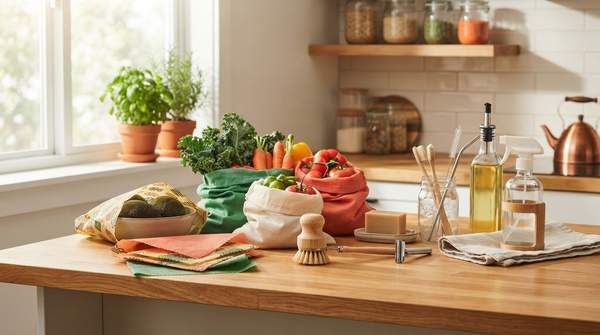
Walmart now sells kitchen organizers from popular brands like Rubbermaid and GoodCook, with items starting at just $14. Home decluttering often feels like a premium endeavor, but Walmart makes smart storage solutions widely accessible and affordable. This challenges the perception that organized living is a luxury, shifting the market dynamic for home organization products. Walmart is poised to dominate the budget-friendly home organization market, democratizing access to decluttering tools for a broader consumer base.
The Growing Trend of Home Decluttering
Walmart's new offerings directly respond to a significant consumer trend towards organized living spaces, as reported by People. The demand for functional, affordable ways to manage household clutter continues to grow. By providing these solutions, Walmart taps into a market seeking practical improvements for daily life, subtly redefining what it means to have an organized home for the average consumer.
Strategic Brand Partnerships
By featuring established brands like Rubbermaid and GoodCook, Walmart offers trusted quality and affordability, boosting consumer confidence. Shoppers can find a range of Rubbermaid food storage containers and other organizational products on Walmart. This inclusion of well-known names legitimizes Walmart's push into the affordable decluttering space, reassuring buyers that budget-friendly options do not compromise reliability. This move could also compel premium brands to innovate or risk becoming niche, as mainstream consumers now have credible, cheaper alternatives.
Why Affordable Organization Matters Now
In the current economic climate, consumers seek practical, budget-friendly ways to improve their homes without significant investment. The ability to purchase kitchen organizers for as little as $14 directly addresses this need for value, transforming home decluttering from a luxury into a feasible project. Walmart's focus on this segment reflects a broader understanding of consumer priorities, where cost-effective solutions for everyday challenges are highly valued. This accessibility empowers more households to tackle common pain points like cluttered pantries, fostering a sense of control and well-being previously out of reach for many.