What Are Cocktail Bitters Uses Beyond Mixology in 2026?

Alexis Tabor, a culinary enthusiast, folds about two teaspoons of El Guapo Chicory Pecan Bitters into chocolate cookie dough with her eggs, a technique that infuses the baked goods with rich coffee an

DM
Daniel Moretti

April 24, 2026 · 4 min read

Close-up of a hand adding cocktail bitters to chocolate cookie dough in a modern kitchen, showcasing culinary innovation.

Alexis Tabor, a culinary enthusiast, folds about two teaspoons of El Guapo Chicory Pecan Bitters into chocolate cookie dough with her eggs, a technique that infuses the baked goods with rich coffee and nutty pecan flavors, according to Vinepair. Alexis Tabor's unexpected culinary move signals a growing trend: cocktail bitters, once confined to the bar, are finding new life in the kitchen. The addition provides a complex depth, elevating simple desserts far beyond conventional flavor extracts.

Traditional bitters are known for their high alcohol content and mixology focus, commonly contain 40-50% ABV. Yet, a new wave of truly alcohol-free bitters is expanding their reach into everyday culinary and wellness applications. These 0.0% ABV formulations dismantle the historical barrier of alcohol, unlocking a broader spectrum of utility.

As consumers increasingly seek versatile, health-conscious ingredients, non-alcoholic bitters are poised to become a staple in both kitchens and non-alcoholic beverage programs, challenging their traditional niche. Non-alcoholic bitters are poised to become a staple in both kitchens and non-alcoholic beverage programs, fundamentally repositioning them: no longer just specialized cocktail components, but essential, health-conscious flavor enhancers for daily use, a trend set to accelerate into 2026 and beyond.

Beyond the Bar: What Are Non-Alcoholic Bitters?

Traditional cocktail bitters commonly contain 40-50% ABV, according to Barkandbitter. This high alcohol content historically confined their use to alcoholic beverages. In stark contrast, modern non-alcoholic bitters are truly 0.0% ABV, utilizing alternatives like glycerin or vinegar as a base instead of alcohol, as noted by Ritualzeroproof.

The 0.0% ABV formulation, utilizing alternatives like glycerin or vinegar as a base instead of alcohol, makes complex bitter flavors accessible to a wider audience, free from alcohol. The 0.0% ABV formulation means non-alcoholic bitters are not merely an alternative for non-drinkers; they represent a new category of flavor extract. This unlocks vast culinary and wellness markets previously out of reach for traditional, high-ABV bitters. They suit any occasion or dietary preference, offering unparalleled versatility in the kitchen and beyond.
Crafting Complexity: How Alcohol-Free Bitters Are Made and Used

The unique production process for non-alcoholic bitters employs vegetable glycerin to extract flavor without alcohol, according to Ritualzeroproof. The unique production process for non-alcoholic bitters, which employs vegetable glycerin to extract flavor without alcohol, captures botanical essences in a non-intoxicating form, delivering a depth of flavor comparable to traditional bitters. Once produced, precise dosage becomes crucial: a dash of bitters is roughly 10 drops from a milliliter dropper or 1/5 teaspoon, as specified by Boisson.

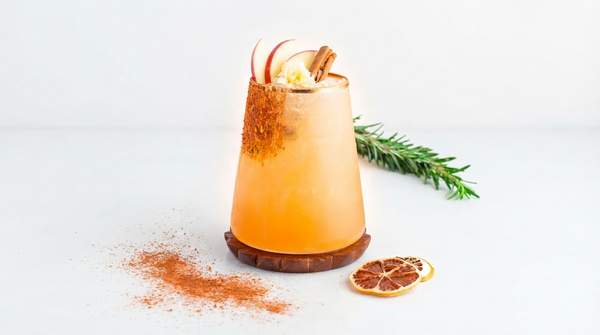
For non-alcoholic beverages, Boisson recommends two dashes of bitters in a glass with five ounces of non-alcoholic spirits. Understanding both the glycerin-based extraction and precise dosage empowers users to confidently integrate non-alcoholic bitters into various drinks. This creates balanced, sophisticated flavor profiles in mocktails, sodas, and other alcohol-free creations.

The Wellness Angle: Bitters Beyond Flavor

Beyond flavor enhancement, non-alcoholic bitters often incorporate botanicals known for their health benefits. Dandelion root, a common ingredient in many bitter formulations, is a powerful antioxidant that can reduce inflammation, according to Healthline. The functional aspect of botanicals like dandelion root, which is a powerful antioxidant that can reduce inflammation, boosts their appeal for health-conscious consumers.

Non-alcoholic bitters thus serve as more than just flavor enhancers, offering functional wellness benefits that appeal to individuals seeking natural remedies. Dandelion root's powerful antioxidant properties within non-alcoholic bitters point to a future where these ingredients are marketed not just for flavor, but as functional foods, blurring the lines between culinary enhancement and health supplements.

Mastering Flavor Profiles: A Guide to Bitters Types

Historically, bitters have been categorized by their ideal alcoholic cocktail pairings, implying a primary role in mixology. Escoffier, for instance, recommends aromatic bitters for cocktails made with oak-aged liquor like whiskey or bourbon. Similarly, citrus bitters are suggested for light liquors such as vodka or gin.

However, the utility of bitters, particularly non-alcoholic versions, is expanding beyond traditional alcoholic drink enhancement into direct culinary applications, challenging this historical definition. Understanding these classic flavor profiles empowers users to creatively apply bitters in a range of non-alcoholic beverages and dishes, mimicking sophisticated taste combinations. The expanding utility of bitters, particularly non-alcoholic versions, beyond traditional alcoholic drink enhancement into direct culinary applications, challenges Escoffier's traditional categorization, aligning instead with Vinepair's observation of El Guapo Chicory Pecan Bitters in chocolate cookie dough, showcasing a broader culinary compatibility.

Savory Surprises: Expanding Bitters' Culinary Horizons

Can you use cocktail bitters in food?

Yes, cocktail bitters integrate into a wide variety of foods. Beyond desserts, they add depth to savory dishes. Celery bitters, for instance, enhance Bloody Marys, and their vegetal notes also complement soups or marinades, according to Escoffier. Celery bitters, for instance, enhance Bloody Marys, and their vegetal notes also complement soups or marinades, expanding their role from garnish to core flavor agent.

What are non-alcoholic uses for bitters?

Non-alcoholic bitters are exceptionally versatile. They enhance mocktails, sparkling waters, coffee, tea, baking, and cooking. Their concentrated flavor delivers significant impact without altering a dish or drink's volume, offering complex notes from spicy and aromatic to citrusy and earthy. Their concentrated flavor delivers significant impact without altering a dish or drink's volume, offering complex notes from spicy and aromatic to citrusy and earthy, making them a potent, low-impact flavor tool.

Are cocktail bitters good for digestion?

Many botanicals in bitters, like gentian root and dandelion, have traditionally supported digestion. While modern scientific research continues, these ingredients are often associated with stimulating digestive enzymes and promoting gut health. The functional aspect of botanicals in bitters, like gentian root and dandelion, which have traditionally supported digestion, boosts their appeal beyond mere flavor, positioning them as a wellness aid.

Your Next Culinary Secret Weapon

Alexis Tabor's cookie recipe demonstrates how non-alcoholic bitters are poised to disrupt the spice and extract aisle. They offer concentrated, complex flavor profiles that elevate everyday cooking without adding alcohol or significant volume. The 0.0% ABV formulations of non-alcoholic bitters unlock sophisticated tastes and potential wellness benefits, making them a dual-purpose ingredient for modern kitchens.

Non-alcoholic bitters appear set to become an indispensable tool for culinary innovation and daily wellness. By the end of 2026, the market for alcohol-free flavor extracts, spearheaded by pioneering brands like El Guapo, will likely see substantial growth as consumers increasingly embrace these versatile and health-conscious alternatives.