Moving beyond simple juice mixes, home bartenders can create complex, flavorful, and healthy non-alcoholic drinks by thoughtfully selecting and combining key ingredient categories. The secret lies in understanding the unique contributions of fresh produce, natural sweeteners, and non-alcoholic spirits to build depth and intrigue in every sip. This approach allows for the creation of beverages that rival the complexity of traditional cocktails, transforming your home bar into a hub for truly grown-up, satisfying non-alcoholic options.
Bars and restaurants are increasingly crafting extensive menus of these sophisticated non-alcoholic beverages, using exotic fruits, aromatic herbs, and unique spices to build depth, according to insights from De Soi. By adopting similar principles and focusing on whole, fresh components, home enthusiasts can also achieve balanced and intriguing drinks that offer both flavor and functional benefits.
Fresh Fruits & Herbs: The Foundation of Flavor and Health
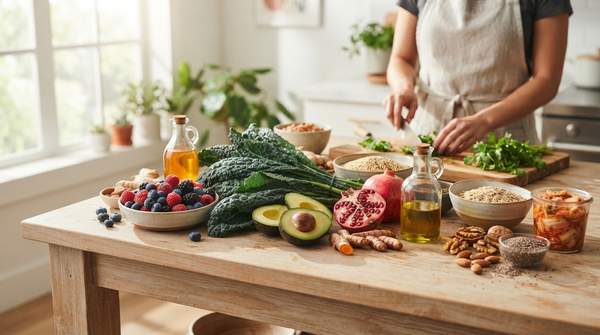
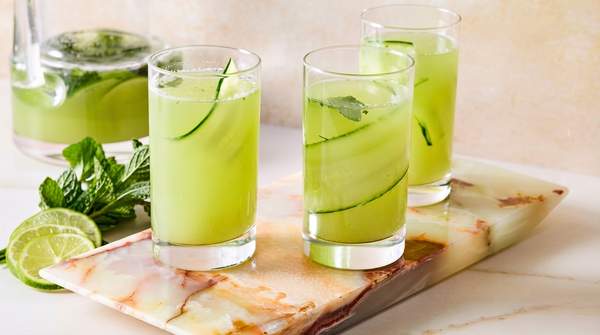
Fresh fruits and herbs are indispensable for building vibrant, healthy non-alcoholic cocktails, offering a spectrum of bold, aromatic, and diverse flavor notes. Citrus fruits like lemons and limes provide essential tartness and brightness, while berries contribute natural sweetness and a tangy counterpoint. Herbs such as mint, basil, or rosemary can introduce earthy, peppery, or cooling dimensions, significantly enhancing the drink's aromatic profile.
These ingredients are incredibly versatile in mixing. You can extract their essence through fresh juices, muddle them to release essential oils and juices, infuse them into simple syrups, or use them as aromatic and visually appealing garnishes. For instance, muddling mint or berries helps to unlock their full flavor and aroma, as De Soi notes. Beyond flavor, fresh fruits contribute antioxidants and vitamins, enhancing the overall nutritional value of your drinks, making them a delightful treat that also benefits overall health, according to De Soi. Nutrition Stripped also highlights that using plenty of fruit and fresh herbs is key to preparing flavorful and healthy mocktails at home.
Natural Sweeteners & Flavor Enhancers: Sweetness with Purpose
To achieve balanced and sophisticated non-alcoholic drinks, selecting natural sweeteners and flavor enhancers wisely is crucial. Options such as honey, agave nectar, and stevia provide sweetness without the drawbacks often associated with refined sugars, as De Soi explains. These natural alternatives can introduce subtle complementary notes, like the rich caramel undertones of maple syrup or the delicate floral hints of honey, adding complexity beyond mere sweetness.
Natural sweeteners are ideal for creating simple syrups, which can then be infused with herbs or spices for added depth, or for directly sweetening drinks to balance other flavors. The Food Revolution Network emphasizes that many plant-based mocktails can be naturally sweet and nourishing, making these choices particularly beneficial. When choosing a sweetener, consider its solubility and the desired texture for your drink, ensuring it integrates smoothly into your creation without making it overly syrupy or cloying. Using them sparingly allows the other ingredients to shine while still satisfying the palate, De Soi advises.