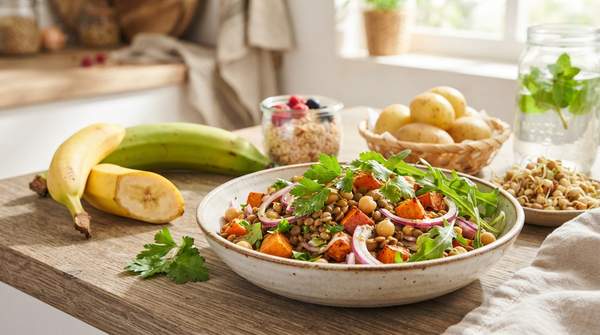
Resistant starch is a unique type of carbohydrate that offers significant benefits for both gut health and blood sugar regulation. Unlike typical starches that are fully digested in the small intestine, resistant starch bypasses this process and ferments in the large intestine. This fermentation feeds beneficial gut bacteria, acting as a prebiotic, and leads to the production of beneficial compounds known as short-chain fatty acids (SCFAs).
Incorporating resistant starch into your diet can help manage post-meal blood sugar spikes and support a healthier gut microbiome. Interestingly, the amount of resistant starch in common starchy foods like potatoes, rice, and pasta can be increased through simple cooking and cooling techniques, making it an accessible dietary component for many.
What is Resistant Starch and Why Does it Matter?
Resistant starch (RS) is a carbohydrate that, as its name suggests, resists digestion in the small intestine. Instead of being broken down into glucose and absorbed, it travels intact to the large intestine, where it undergoes fermentation. This characteristic gives it properties similar to dietary fiber, distinguishing it from other starches that are readily digested, as explained by Johns Hopkins Medicine's diabetes information resource.
The health benefits of resistant starch stem largely from its interaction with the gut microbiome. By feeding the "good bacteria" in the gut, resistant starch functions as a prebiotic, promoting a diverse and healthy microbial environment. This process can lead to a lower impact on blood sugar compared to typical starches, according to Harvard Health, making it a valuable component for metabolic health.
Beyond its natural presence in foods like grains, root vegetables, and legumes, the concentration of resistant starch can be intentionally enhanced through specific food processing and cooking methods. A review in *PMC* highlights that understanding these methods provides potential avenues to increase dietary intake of RS, thereby positively influencing gut health and overall well-being. Resistant starch also presents opportunities for managing weight and preventing elevations in blood glucose, offering additional physiological benefits and therapeutic effects in the prevention and treatment of chronic diseases such as diabetes, obesity, and hyperlipidemia, as noted in research published in *MDPI*.
The Gut Connection: Fermentation and SCFAs
The intricate interaction between resistant starch and the gut microbiome unfolds primarily in the colon, where most undigested carbohydrates reach their metabolic fate, according to a review in *PMC*. Here, gut bacteria process the resistant starch, creating beneficial molecules that promote healthy gut flora, as described by Dr. Mark Hyman.
This fermentation is crucial because it leads to the production of beneficial short-chain fatty acids (SCFAs), such as butyrate and propionate. These SCFAs play a vital role in gut health; for instance, butyrate is a primary energy source for colon cells and helps maintain the integrity of the gut lining. The presence of resistant starch can significantly influence the composition and function of an individual's gut microbiota.
The extent and nature of these effects are modulated by various factors, including the baseline composition of an individual’s gut microbiota, as detailed in *PMC* research. By acting as a prebiotic, resistant starch supports the growth of beneficial bacteria, which in turn produce these SCFAs. These compounds not only benefit the gut directly but also have systemic effects, contributing to broader metabolic health. This "intricate dance" between resistant starch and the gut microbiome highlights its importance in nutritional science and the development of targeted dietary strategies.
Resistant Starch and Blood Sugar Regulation
Resistant starch plays a direct role in influencing postprandial glycemic response, which refers to how blood sugar levels change after a meal. Because resistant starch is not digested in the small intestine, it does not contribute to immediate glucose spikes. Instead, its fermentation in the large intestine helps to slow the release of glucose into the bloodstream, reducing blood sugar spikes after meals, as noted by Join ZOE.
This unique process means that when you eat resistant starch, it "resists" digestion and does not spike blood sugar or insulin, according to Dr. Mark Hyman. Clinical dietitian Jennifer Kerner, with University Hospitals, explains that cooling down high-carbohydrate foods like pasta before eating them increases resistant starches, making them behave more like high-fiber or high-protein foods. This can be particularly beneficial for individuals looking to manage their blood glucose levels.
The fermentation products of resistant starch, particularly short-chain fatty acids, may also contribute to improved insulin sensitivity. While different types of resistant starch can alter microbiome responses differently, a meta-analysis reported no significant changes in total SCFAs or butyrate concentration following resistant starch intervention in some studies, indicating the complexity and variability of individual responses, according to a review in *PMC*. Despite these nuances, the overall effect of incorporating resistant starch into the diet is often associated with better blood sugar control and a potential therapeutic effect in preventing elevations in blood glucose, as well as offering benefits for chronic conditions such as diabetes and obesity, as highlighted in *MDPI* research.
Optimizing Resistant Starch in Your Diet: Cooking and Cooling Methods
One of the most practical aspects of resistant starch is that its content in many common foods can be increased through simple cooking and cooling methods. This process, known as starch retrogradation, involves the realignment of starch chains as they cool, making them less digestible and thus increasing their resistant starch content, specifically Type 3 resistant starch. This principle is a key method for post-mealtime blood sugar management, as explained by Clemson University's Home & Garden Information Center.
For instance, cooking starchy foods like potatoes, rice, and pasta and then refrigerating them for 12-24 hours before eating or reheating can significantly boost their resistant starch levels. This change alters how the body digests the starch, leading to decreased insulin spikes and providing more food for beneficial gut bacteria. Clemson University's Home & Garden Information Center suggests that for individuals with diabetes, reheating these cooled starches to 165°F before eating can be part of this strategy, though monitoring for low blood sugar and adjusting medication with clinical guidance is advised.
This simple meal preparation adjustment offers a straightforward way to enhance gut health and improve blood sugar response. Harvard Health also notes that simple cooking techniques can boost the amount of resistant starch in oatmeal, implying similar principles apply. The emphasis on dietary resistant starch from natural sources is poised to grow, offering new avenues for nutrition-based interventions, according to a *PMC* review.
Optimizing Resistant Starch in Your Meals
Readers can use this table to identify common starchy foods and apply specific cooking and cooling methods to increase their resistant starch content, making informed choices for gut health and blood sugar management.
| Food Item | Original State | Preparation Method | Impact on RS Content |
|---|---|---|---|
| Potatoes | Cooked | Cooking and then cooling potatoes | Increases resistant starch content, specifically Type 3, due to starch retrogradation. |
| Rice | Cooked | Cooking and then cooling rice, especially overnight | Can significantly increase resistant starch content as starch chains realign during cooling. |
| Pasta | Cooked | Cooking pasta and then refrigerating it overnight | Can significantly increase resistant starch content, changing how the body digests the starch and decreasing insulin spikes. |
| Oatmeal | Cooked | Simple cooking techniques | Can boost the amount of resistant starch. |
Actionable Steps for Incorporating Resistant Starch
To enhance gut health and blood sugar regulation, readers should regularly incorporate cooked and cooled starchy foods into their diet. By applying the recommended food preparation techniques, such as cooking and then refrigerating potatoes, rice, or pasta before consumption, individuals can increase the resistant starch content of these foods.
Readers will observe a reduction in post-meal blood sugar spikes and improved digestive comfort by consistently applying the recommended food preparation techniques.</
Sources
- Mark Hyman, M.D. on Instagram
- Facebook post
- Hopkinsdiabetesinfo
- Improve Your Gut Health With Resistant Starch — Uhhospitals
- Resistant starch: Can you make the carbs you eat a little healthier? - Harvard Health
- Harnessing the power of resistant starch: a narrative review of its health impact and processing challenges - PMC
- MDPI
- Resistant starch and the gut microbiome: Exploring beneficial interactions and dietary impacts - PMC
- Starch Retrogradation: A Method for Post-Mealtime Blood Sugar Management in Individuals with Diabetes — Home & Garden Information Center