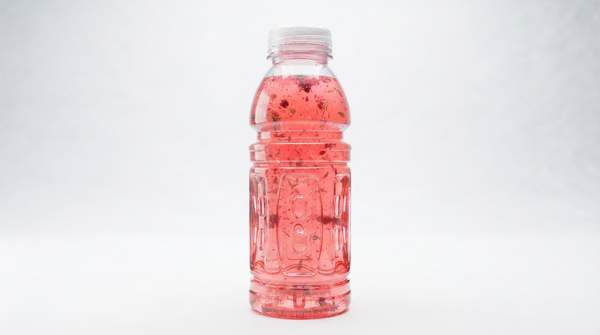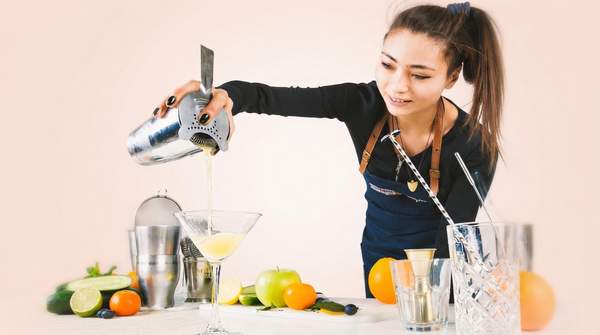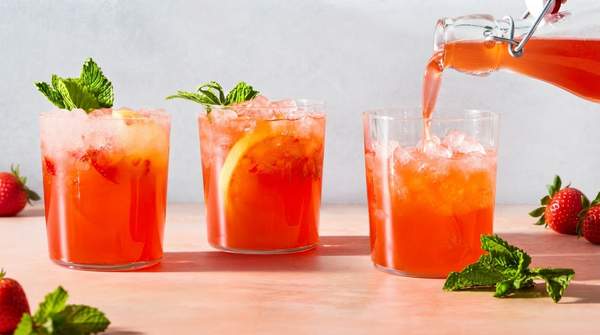
Non-alcoholic drinks have moved well beyond soda and juice. Today's market includes botanical spirits, adaptogen-infused mocktails, low-dose THC and CBD beverages, hop water, and probiotic drinks — each built around a distinct functional ingredient and a different intended effect, from relaxation to a beer-like bitter taste without the alcohol. This guide categorizes five of these innovative beverage types, explains what's actually in them, and helps you match one to your health goals and taste preferences for your next social gathering.
The Rise of Functional Non-Alcoholic Beverages
What began as occasional abstinence — a Dry January experiment or a designated-driver night — has hardened into a year-round lifestyle choice. Deniz Ataman, writing for FoodNavigator in January 2026, reports that consumers are increasingly adopting moderation and mindful drinking as part of holistic health and wellness routines, sustaining demand for beverages that combine flavor with functional benefits.
The market data backs this up. Datassential's 2026 non-alcoholic beverage trends analysis, authored by Kendra Keenan, found that while the word "mocktail" itself has gone flat on menus, consumer interest in low- and non-alcoholic drinks is unmistakable. Low-alcohol cocktails have reached 63% consumer awareness with 51% expressing interest, and even niche categories like hop water are showing steady adoption.
Health-conscious consumers are driving the shift for personal, medical, or religious reasons, according to The Tasting Alliance's coverage of the mindful drinking trend. Standout products like CleanCo's non-alcoholic spirits, Athletic Brewing's craft beers, and Lyre's alcohol-free range demonstrate that skipping alcohol no longer means compromising on taste or the social ritual of raising a glass.
Crucially, this article reports on the intended or marketed purposes of these ingredients — it does not validate manufacturers' health claims, and it is not medical advice.
Understanding Key Functional Ingredients
The labels on these beverages can read like an herbal apothecary, but most functional ingredients fall into a few recognizable families.
Adaptogens are plant-derived compounds believed to support mental and physical balance. Tiffone Powers-Parker, a dietitian and nutritionist with Banner Health, notes that functional beverages commonly use adaptogens such as turmeric, ashwagandha, and lemon balm, alongside superfoods like cranberries and herbs such as ginger and hibiscus. These appear in canned drinks, powders, and freshly made mocktails alike.
Botanicals — plant extracts used for both flavor and purported wellness benefits — are the backbone of non-alcoholic spirits, which mimic gin, vodka, and other liquors through complex herbal blends rather than fermentation.
Cannabinoids, namely CBD and THC, are cannabis-derived compounds used in a growing class of mood-oriented beverages. The Tasting Alliance reports that the cannabis beverage market is expected to grow by nearly 20% annually through 2028, with brands blending natural ingredients, low THC doses, and unique flavor profiles.
Beyond these, Powers-Parker notes that functional beverages may also include probiotics, amino acids, vitamins and minerals, and antioxidant phenolic compounds. Some brands, such as Woodstock, add functional mushrooms to the mix.