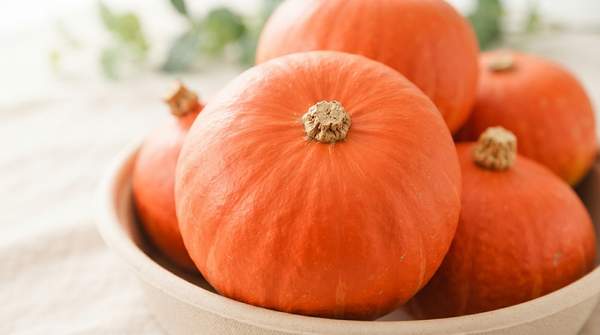
Pumpkin's "superfood" reputation rests on a genuinely dense nutritional profile, not marketing. One cup of canned pumpkin delivers nearly 200 percent of the daily recommended value of vitamin A and about 20 percent of the daily vitamin C recommendation, according to U.S. Department of Agriculture figures cited by registered dietitian Gabriela Gardner of UT Physicians. But the label deserves a closer look, because the pumpkin is really two foods in one: the bright orange flesh is a carotenoid and vitamin powerhouse, while the seeds supply protein, magnesium, zinc and healthy fats that the flesh barely touches. Understanding which part delivers which nutrient is the key to using pumpkin deliberately rather than seasonally.
Pumpkin's Superfood Status: A Nutritional Overview
Nutrient density is the concept doing the heavy lifting behind the superfood label. As nutrition writer Kerri-Ann Jennings, a registered dietitian, puts it, pumpkin "is nutrient dense, meaning it has lots of vitamins and minerals and relatively few calories." Utah State University's extension experts make the same point from a practical angle: pumpkins are low in calories yet packed with nutrients that matter especially during cold and flu season.
The word "superfood" itself is informal—no regulatory body defines it—but pumpkin fits the spirit of the term because its benefits come from a cumulative profile rather than a single miraculous compound. The flesh contributes beta-carotene, vitamin C and iron; the seeds contribute protein, fiber, magnesium, zinc, copper and unsaturated fats. Mayo Clinic Health System dietitian Allie Mahowald describes the seeds as "packed with protein, fiber and many other minerals," alongside healthy poly- and monounsaturated fats. Eaten together, flesh and seeds cover an unusually wide nutritional ground for a single plant.
That breadth is what distinguishes pumpkin from other seasonal produce. Its defining signature—the pigment that makes it orange—is also its most studied health asset, and it is where the eye-health story begins.
Key Nutrients and Their Health Mechanisms
Beta-carotene, vitamin A and eye health
The mechanism behind pumpkin's best-known benefit is straightforward chemistry. "The bright orange hue comes from beta-carotene, which our body converts into vitamin A," Gardner explains. Vitamin A is essential for vision, and pumpkin delivers it in exceptional quantities: by USDA figures, one cup of canned pumpkin contains nearly 200 percent of the daily recommended value. "As a source of vitamin A, pumpkin is through the roof," she says.
The payoff is specific. Vitamin A supports eye health generally, and Gardner notes that pumpkin is "especially good for people at risk of cataracts and glaucoma." Utah State University, citing the Cleveland Clinic, adds that pumpkin's vitamin A and related nutrients help protect eyes from age-related degeneration and cataracts. Beta-carotene also functions as an antioxidant, helping protect the body's cells from damage by free radicals.
Vitamin C and immune function
The same cup of pumpkin provides roughly 20 percent of the daily vitamin C recommendation, a nutrient long associated with immune support. Combined with the flesh's substantial iron content—about 40 percent of the recommended daily intake per cup, per USDA figures—pumpkin offers a two-pronged contribution to the systems that carry oxygen through the blood and defend against infection. Iron, as Gardner notes, is essential for growth, development, building red blood cells and improving energy levels. This is why pumpkin's reputation tends to peak in cold and flu season: the nutrients most associated with immune function happen to be the ones it supplies in abundance.