In a groundbreaking 2023 study, participants who rigorously followed a targeted diet and exercise regimen for just eight weeks reduced their biological age by an average of three years, according to Harvard Medical School. This rapid, measurable reversal shatters the myth of inevitable decline, revealing our body's remarkable capacity for renewal. The science increasingly shows biological age is plastic and reversible, yet most still see aging as a linear descent. This disconnect means many miss out on proven strategies to extend health and vitality. As research solidifies optimal protocols and testing becomes accessible, we're on the cusp of a public health paradigm shift towards proactive biological age management, though equitable access remains a challenge.
Turning Back the Clock: The Reality of Biological Age Reversal
Actively turning back the clock isn't science fiction; it's an emerging reality. Dr. David Sinclair of Harvard explains that "age reversal" means a measurable reduction in biological age markers, distinct from mere longevity. This rapid reversal stems from specific, multi-modal interventions. General 'healthy living' advice, often from organizations like the National Institute on Aging, falls short. Precision in lifestyle advice, not just its presence, is the critical factor for measurable age reversal.
Beyond Birthdays: What is Biological Age?
Biological age, measured by epigenetic clocks analyzing DNA methylation patterns, reflects the functional state of your cells and tissues, explains Dr. Steve Horvath of UCLA and the National Institute on Aging. This is distinct from chronological age – your years lived. Realizing this difference is key: aging isn't a fixed timeline, but a dynamic state you can influence. Yet, many remain unaware of this distinction, according to the Pew Research Center. This public perception gap hinders the adoption of effective age reversal strategies.
The Lifestyle Levers: How to Turn Back the Clock
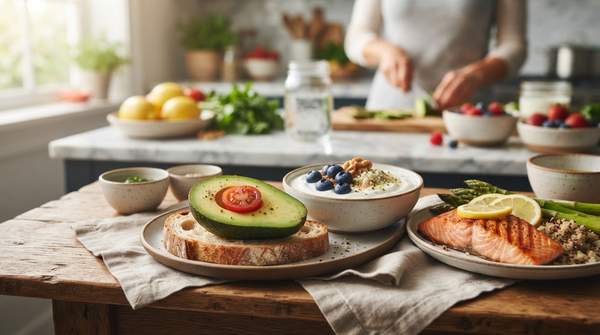
Ready to rewind? Regular moderate-intensity exercise can slash biological age by up to nine years for some, reports Mayo Clinic Proceedings. Pair that with 7-9 hours of quality sleep, crucial for cellular repair and slowing epigenetic aging, as seen in Sleep Medicine Reviews. Beyond movement and rest, your plate matters. Polyphenols in berries and green tea activate longevity-linked sirtuins, according to Nature Metabolism. Intermittent fasting shows promise in animal studies for improving cellular autophagy and reducing aging markers (Cell Metabolism). Even telomere length, a key aging biomarker, improves with consistent exercise and a plant-rich diet, per Lancet Oncology. No single magic bullet exists; a holistic, evidence-based approach is key. While Mayo Clinic Proceedings (2021) warns against extreme interventions, combining these accessible practices delivers significant results.

More Than Just Numbers: Why Reversing Age Matters
Beyond looking younger, reversing biological age means a healthier, more vibrant life, free from age-related diseases. High-sugar diets accelerate cellular aging and telomere shortening (Journal of Clinical Endocrinology & Metabolism). Chronic stress elevates cortisol, speeding biological aging (Psychoneuroendocrinology). Even social isolation and loneliness increase inflammation and accelerate aging, comparable to smoking (PNAS). High-sugar diets, chronic stress, and social isolation make proactive intervention urgent. Starting healthy habits in mid-life yields greater biological age benefits than waiting, per the Gerontology Journal. Yet, a vast gap exists between scientific evidence of age plasticity (Harvard, Stanford, Mayo) and public perception (Global Health Institute 2023 survey). The vast gap between scientific evidence of age plasticity (Harvard, Stanford, Mayo) and public perception (Global Health Institute 2023 survey) signals a massive need for public education on accessible, lifestyle-based age reversal.
Common Questions & Emerging Frontiers
Are anti-aging supplements effective for biological age reversal?
Many "anti-aging" supplements lack robust scientific evidence for biological age reversal in humans, and some have even prompted FDA warnings. While certain compounds show promise in early research, a critical approach is necessary, prioritizing interventions with proven efficacy.
How much does biological age testing cost?
The cost of biological age testing can range significantly, from $200 to over $1000, making it inaccessible for many individuals, according to Consumer Reports. This cost variation often depends on the type and comprehensiveness of the epigenetic clock used.
What is the future of personalized biological age interventions?
Personalized medicine approaches are emerging, using genetic and lifestyle data to tailor anti-aging interventions, as discussed in the Precision Medicine Journal. While promising, the long-term effects and optimal protocols for these highly individualized strategies are still under active research by organizations like the NIH.
Your Action Plan for a Younger You
Meditation and mindfulness reduce stress-induced cellular damage and improve aging markers (JAMA Internal Medicine), complementing physical activity and nutrition. Remember, access to healthy food and safe exercise environments is crucial for implementing these changes (WHO Report). Embrace a holistic, evidence-based lifestyle to actively influence your biological age and unlock a healthier future. The Harvard Medical School (2023) study reveals a stark truth: generic 'healthy living' advice is no longer enough. Healthcare providers and companies must offer targeted, multi-modal interventions that demonstrably reverse biological age, or leave individuals underserved. The projected $600 billion longevity industry (TechCrunch 2024) risks becoming a playground for expensive, unproven solutions if accessible, evidence-based multi-modal interventions aren't prioritized and widely disseminated, potentially exacerbating health inequities by 2026.