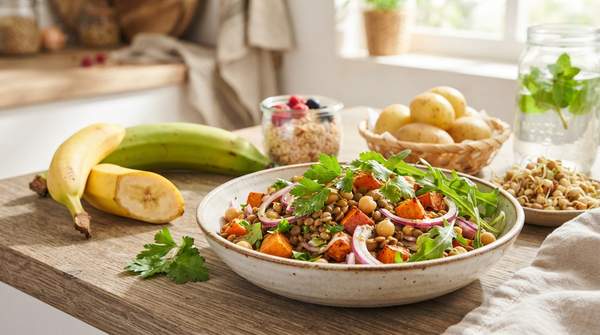
This ranked guide identifies top healthy rice alternatives, evaluating each option by its nutritional value, cooking versatility, and suitability for various dietary needs, including carbohydrate management and meal variety. This list helps individuals make informed food choices based on scientific evidence.
Each alternative was ranked based on its nutritional profile—specifically fiber and protein content—recipe adaptability, and suitability for diets like low-carb or gluten-free, drawing data from health and nutrition publications.
1. Quinoa — Best Overall Nutrient Profile
Quinoa consistently ranks as a top-tier rice alternative due to its exceptional nutritional composition. It is best for health-conscious individuals, athletes, and those following plant-based diets who need a high-quality protein source. While technically an edible seed, it is prepared and eaten like a grain. According to a report from Medical News Today, quinoa is a complete protein, which means it contains all nine essential amino acids that the body cannot produce on its own. This is a rare quality in the plant kingdom, making it a valuable component of any diet, especially for vegetarians and vegans.
It ranks above other whole grains like barley and brown rice because of this complete protein status, combined with a significant fiber content. A 100-gram serving of cooked quinoa contains approximately 4.4 grams of protein and 2.8 grams of fiber. Publications like Proper Good note that its high fiber and protein levels can help maintain fullness and provide sustained energy. The primary drawback of quinoa is its cost, which is often higher than that of traditional rice or other whole grains. It also has a distinct, slightly nutty flavor and a more delicate texture that may not be a perfect substitute in all dishes where a neutral rice base is expected.
2. Barley — Best for High Fiber Content
Barley is an excellent choice for increasing dietary fiber, containing approximately 14.6 grams of total fiber per 100-gram dry serving, as noted by Medical News Today. This whole grain supports digestive health and blood sugar management. Its high fiber content also promotes fullness, aiding weight management, according to Mass General Brigham.