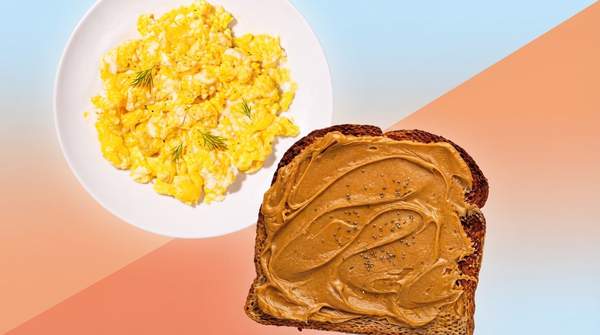
A recent study revealed that pairing eggs with just half a bell pepper can boost the absorption of lutein and zeaxanthin by over 40%, significantly enhancing eye health benefits, according to ScienceDaily. This simple dietary addition unlocks greater nutritional value from common foods. Eggs are a nutrient-dense food, providing 6 grams of protein and all nine essential amino acids per serving, making them a complete protein source, as reported by Martha Stewart, citing the USDA Food Database.
Despite their inherent nutritional density, many people eat eggs with common breakfast pairings that often prevent the full absorption of their most beneficial compounds. The bioavailability of certain egg nutrients, particularly fat-soluble vitamins, can vary widely based on accompanying foods, according to Nutrition & Metabolism Review. This means the perceived nutritional value of eggs often overstates their actual delivered benefit in typical consumption patterns.
Based on emerging nutritional science, a conscious shift towards synergistic egg pairings will likely become a cornerstone of optimized dietary recommendations, moving beyond simple nutrient counting to focus on bioavailability. This approach challenges conventional wisdom, suggesting significant nutritional gains come from strategic, everyday food pairings, not complex dietary overhauls.
What Nutrients Do Eggs Provide?
- Eggs are a primary dietary source of Vitamin D, crucial for bone health and immune function, according to the National Institutes of Health.
- Choline, abundant in egg yolks, is vital for brain health and neurotransmitter synthesis, states the American Journal of Clinical Nutrition.
- The fat content in eggs, primarily monounsaturated and polyunsaturated fats, aids in the absorption of fat-soluble vitamins like A, D, E, and K, as published by Harvard Health Publishing.
- Common breakfast pairings like toast or bacon offer minimal synergistic nutritional benefits with eggs, notes the Dietary Guidelines for Americans.

Despite eggs' nutrient density, their full potential often remains untapped. Consumers may be missing substantial eye-health benefits due to conventional, non-synergistic food pairings.
How Can You Unlock New Nutritional Synergies?
Research shows Vitamin C in foods like bell peppers and spinach significantly enhances the absorption of non-heme iron found in eggs, according to the European Journal of Nutrition. Combining eggs with certain vegetables multiplies their benefits beyond simple additive nutrition. Adding avocado to eggs can increase the absorption of carotenoids like lutein and zeaxanthin by up to 30% due to its healthy fat content, a finding from an Ohio State University Study.
Fermented foods, such as kimchi or sauerkraut, paired with eggs, may improve gut microbiome health, indirectly aiding overall nutrient assimilation, according to Gut Microbes Journal. A new meta-analysis highlights that sulfur compounds in alliums, like onions and garlic, can protect egg lipids from oxidation during cooking, preserving nutrient integrity, as reported by the Food Chemistry Journal. These emerging studies reveal specific food combinations act as 'nutrient accelerators,' making egg compounds more accessible to the body.
The Science Behind the Synergy
Fat-soluble vitamins, including A, D, E, and K, require dietary fat for optimal absorption in the small intestine, explains the Mayo Clinic. This clarifies why the inherent fats in eggs are insufficient to maximize the absorption of their own fat-soluble vitamins and carotenoids; additional healthy fats are critical. Antioxidants like lutein and zeaxanthin are better absorbed when consumed with a source of healthy fats, confirms the Journal of Nutrition.
The presence of certain organic acids, like those found in citrus or berries, can chelate minerals, making them more bioavailable, according to Food Science & Nutrition Review. Dietary fiber, while not directly enhancing egg nutrient absorption, supports a healthy digestive tract, crucial for overall nutrient uptake, states the American Society for Nutrition. Understanding these fundamental interactions provides a scientific basis for optimizing meals beyond simple ingredient lists.
Implications for Your Plate and Beyond
Future dietary guidelines may emphasize food synergy over isolated nutrient intake for maximizing health outcomes, according to a World Health Organization Report. A shift in nutritional advice is signaled, acknowledging complex interactions between food components. Food manufacturers are exploring new egg-based convenience meals that incorporate synergistic pairings, according to Food Industry Trends Magazine. Personalized nutrition apps are beginning to recommend specific egg pairings based on individual dietary needs and health goals, states NutriTech Innovations.
Further research is needed to quantify the long-term health impacts of consistent synergistic egg pairings on chronic disease prevention, notes the Future Nutrition Research Agenda. A significant evolution in nutritional science, promising more effective public health strategies and personalized dietary advice, is represented by this shift towards synergistic eating. As of Q3 2026, many consumers may see tailored egg pairing recommendations directly influencing their daily food choices.
Your Egg Pairing Questions Answered
Are raw eggs better for nutrient absorption?
No, cooking eggs slightly increases protein and biotin bioavailability, according to the Journal of Agricultural and Food Chemistry. Lightly cooked eggs often offer more accessible nutrients than raw versions.
The integration of synergistic food pairings into daily diets appears poised to become a standard recommendation, potentially reshaping how consumers approach meal planning for optimal nutrient absorption.