Blending turmeric with a pinch of black pepper dramatically enhances the absorption of its active compound, curcumin. This simple act can multiply the body's uptake of curcumin, a potent anti-inflammatory compound, by up to 2,000%, according to Harvard Health. Many prioritize individual healthy foods, but overlook how combinations alter nutritional impact and bioavailability. This oversight means missing significant nutritional gains. Therefore, understanding food synergy is crucial for maximizing dietary health benefits, shifting focus from isolated nutrients to holistic meal planning.
Food component interactions extend beyond simple spice pairings. Green tea and black pepper, for example, synergistically enhance epigallocatechin gallate (EGCG) bioavailability. Black pepper inhibits EGCG's glucuronidation and reduces its gastrointestinal transit, ensuring maximum absorption, as detailed in Nutraceutical Potentials of Synergic Foods. Such specific combinations yield superior results. Similarly, healthy fats like olive oil or avocados significantly improve lycopene uptake from tomatoes, according to Harvard Health. Simple food pairings unlock more nutritional value than isolated ingredients.
Food synergy describes how nutrients and beneficial compounds in whole foods interact, enhancing absorption, utilization, or overall health effects when consumed together. This yields greater benefits than isolated components. The focus on 'superfoods' or individual nutrients is misguided; true nutritional power lies in diverse, whole-food interactions, not individual merits, according to Food Synergy: An Operational Concept. Nutrient effectiveness depends on dietary context; some compounds act as co-factors, others protect nutrients. The intelligent combination of ingredients, as seen with turmeric and black pepper, is key.
How Specific Pairings Unlock More Nutrition
Specific food combinations reveal food synergy's diverse mechanisms. Whole foods consistently outperform isolated constituents, as noted by Food Synergy: An Operational Concept. This implies that relying solely on individual supplements overlooks the comprehensive benefits of a varied diet. For example, Vitamin D aids calcium absorption, per Harvard Health, making its pairing with calcium-rich foods vital for bone health. Similarly, beans and brown rice combine to form a complete protein, also from Harvard Health. These pairings confirm that fundamental nutritional needs are often met through strategic combinations, not single ingredients.

Nutrients interact within complex food matrices, enhancing absorption or creating full nutritional profiles. However, 'antagonistic processes' can also occur. Some healthy combinations reduce nutrient absorption, making uninformed mixing detrimental, as discussed in Food Synergy: An Operational Concept. Spinach oxalates, for instance, bind with calcium, reducing its absorption. This demands informed dietary planning, challenging the prevailing focus on isolated nutrients as a nutritional dead end.
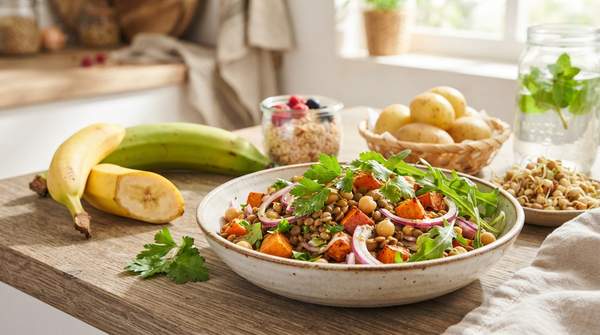
Synergistic dietary patterns yield stronger health benefits than any individual component. Companies marketing single-ingredient health products miss this; true efficacy, like green tea and black pepper enhancing EGCG bioavailability, requires understanding complex food interactions. Many healthy eaters underutilize beneficial compounds like lycopene, curcumin, and EGCG without simple co-factors such as healthy fats or piperine, according to Harvard Health and Nutraceutical Potentials of Synergic Foods. Practical advantages emerge: pairing iron-rich lentils with Vitamin C-rich bell peppers dramatically boosts iron absorption for vegetarians. This elevates meal planning from mere consumption to strategic nutrient optimization.
What foods enhance nutrient absorption?
Certain food pairings notably boost nutrient uptake. Iron absorption from plant sources, like spinach, increases significantly with Vitamin C-rich foods such as bell peppers or citrus fruits. Similarly, fat-soluble vitamins (A, D, E, K) from leafy greens or carrots absorb better when paired with healthy fats like olive oil or avocado, as fats act as carriers.
Can food combinations affect nutrient uptake?
Yes, food combinations dramatically affect nutrient uptake, both positively and negatively. Synergistic pairings, such as turmeric with black pepper, can multiply curcumin's bioavailability. Conversely, antagonistic pairings, such as calcium-rich dairy with iron-rich foods, inhibit iron absorption due to calcium's interference. This reveals the complexity of dietary interactions.
How do I combine foods for better nutrition?
To combine foods for better nutrition, pair fat-soluble vitamins (A, D, E, K) with healthy fats (e.g. carrots with olive oil). Enhance non-heme iron absorption by adding Vitamin C (e.g. lentils with tomatoes). Combine complementary proteins (e.g. beans and rice) for all essential amino acids. Aim for diverse, whole-food meals to leverage these natural interactions.
Beyond Individual Foods: The Power of Synergistic Dietary Patterns
Health benefits appear stronger when foods are consumed in a synergistic dietary pattern, rather than as individual foods or constituents, according to Food Synergy: An Operational Concept. This confirms that overall dietary habits outweigh isolated food choices. Adopting a diverse, whole-food diet is key to naturally harnessing synergistic effects for optimal long-term health, moving beyond single-nutrient focus. Consumers should prioritize balanced meals incorporating varied produce, whole grains, and healthy fats. This approach recognizes that the entire dietary matrix contributes to overall health, supporting efficient nutrient utilization and improved well-being.
By 2026, nutritional science will likely emphasize dietary pattern research over reductionist approaches. This shift will encourage consumers to view their plates as complex systems where ingredients interact to unlock greater health potential. Companies like Whole Foods Market may increasingly highlight paired ingredients in product recommendations to guide consumers toward these synergistic benefits.