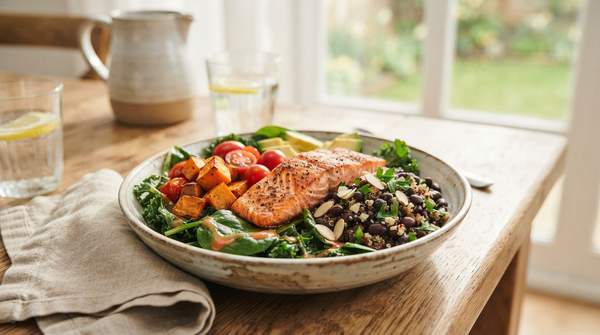
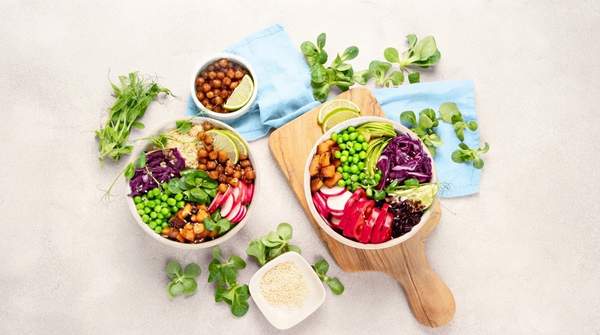
Kale, a common leafy green, provides five times more bioaccessible calcium than a serving of skimmed milk, directly challenging decades of ingrained dietary advice about bone health.
Dairy products are widely promoted as the gold standard for calcium, but many plant-based and non-dairy alternatives offer comparable or even superior bioaccessibility and content.
Consumers can confidently build strong bones through a broader, more varied diet than traditionally emphasized, potentially reducing reliance on dairy without compromising health.
Embracing Diverse Calcium Sources for Bone Health
Robust bone health extends significantly beyond dairy, recognizing potent, often overlooked non-dairy calcium sources. Research identifies kale, finger millet, and fortified white bread as top plant-based calcium sources, according to PubMed. This re-evaluates long-standing public health messaging that positions dairy as the sole or superior calcium source.
Beyond Dairy: Surprising Calcium Powerhouses
- 180 mg — A 3-ounce serving of canned salmon, including its bones, has 180 mg of calcium, according to Harvard Health.
- 35% DV — A 3.75-ounce (92-gram) can of sardines packs 35% of the Daily Value (DV) for calcium, reports healthline.
- 9% DV — One tablespoon (9 grams) of sesame seeds delivers 9% of the Daily Value (DV) for calcium, also according to healthline.
Diverse non-dairy whole foods offer significant, concentrated calcium. Potent, often more bioavailable, options highlight a blind spot in public health messaging, especially for those not strictly plant-based.
Everyday Foods Contributing to Your Calcium Intake
1. Kale
Best for highly bioavailable plant-based calcium and nutrient-dense greens. Kale provides five times more bioaccessible calcium than one serving of skimmed milk, according to PubMed. It is also rich in other vitamins and minerals. While widely available, cooking improves absorption, and some may dislike its bitter taste.
2. Finger Millet
Best for a versatile grain with significant natural calcium. Identified as a top plant-based calcium source by PubMed, this gluten-free grain is a staple in many traditional diets. It is less common in Western diets, found in specialty stores, and often used in flours or porridges.
3. Sardines
Best for high calcium and omega-3s from a non-dairy animal source. A 3.75-ounce (92-gram) can packs 35% DV for calcium, reports healthline, largely due to its edible bones. Widely available canned, they also provide Vitamin D but have a distinct flavor unsuitable for vegetarians.
4. Fortified Tofu
Best for vegetarians and vegans needing a reliable, versatile plant-based calcium source. A 4-ounce serving of fortified tofu boasts 430 mg of calcium, with enriched versions often doubling that, according to Harvard Health. Not all tofu is fortified, so check labels. It is widely available and a good protein source.
5. Fortified Plant Milk
Best for a convenient, dairy-free milk alternative with comparable calcium. Eight ounces of fortified plant milk (soy, almond, oat) contains 350 to 400 mg of calcium, according to Harvard Health. Bioaccessibility varies by brand and fortification type, and some contain added sugars, so always check labels.
6. Canned Salmon (with bones)
Best for a significant calcium boost from seafood. A 3-ounce serving, including its soft, edible bones, provides 180 mg of calcium, according to Harvard Health. It also offers Vitamin D and omega-3s. Widely available, but not for vegetarians, and taste varies.
7. Sesame Seeds
Best for adding a calcium-rich crunch to meals. One tablespoon (9 grams) contains 9% DV for calcium, reports healthline. While concentrated and versatile, multiple servings are needed for substantial intake. Widely available, they enhance salads, stir-fries, or tahini.
8. Almonds
Best for snacking and moderate calcium contribution. One ounce (28 grams), about 23 almonds, delivers 8% DV for calcium, according to healthline. They also provide bone-supporting magnesium and phosphorus. Calorie-dense, they require larger quantities for significant calcium. Widely available; choose raw or dry-roasted, unsalted.
9. Broccoli
Best for a moderate, naturally occurring calcium source. Broccoli requires 1.5-3 servings to equal one serving of skimmed milk, according to PubMed. It offers additional health benefits as a cruciferous vegetable. Widely available fresh or frozen; steaming helps retain nutrients.
10. Cabbage
Best for diverse culinary applications and calcium intake. Cabbage is a moderate calcium source, similar to broccoli, requiring 1.5-3 servings to match one serving of skimmed milk, according to PubMed. This affordable, versatile vegetable can be eaten raw, steamed, or fermented.