Nutrition

Stacked Water Hydration Trend: A Costly Gimmick Dressed as Science

The stacked water hydration trend promises enhanced health, but a closer look reveals it's more of a costly marketing gimmick than a science-backed necessity.

RP
Ryan Patel

April 8, 2026 · 7 min read

A vibrant, layered 'stacked water' drink with fruit and supplements, set against a blurred background of scientific equipment and social media icons, symbolizing the trend's blend of marketing and pseudo-science.

The stacked water hydration trend, a social media phenomenon involving elaborate supplement cocktails added to water, is less a scientifically-backed health revolution and more a triumph of clever marketing that capitalizes on modern wellness anxieties. While proponents tout enhanced hydration and nutrient intake, a critical examination reveals a practice built on a shaky scientific foundation, promoting costly and unregulated products over the simple, effective, and free solution that already exists: plain water.

The viral 'stacked water' trend, involving fruit, electrolyte powders, and various supplements added to water, rebrands basic biological functions as opportunities for optimization and consumption. This represents the hyper-commodification of a fundamental need, encouraging consumers to spend significant money on products for often unproven benefits, many of which are largely achievable through a balanced diet. This trend underscores the need for a discerning, evidence-based approach to wellness trends that promise quick fixes.

The Truth About the Stacked Water Trend: Fact vs. Fiction

Stacked water is the practice of adding ingredients to water, popularized on social media platforms where users share complex 'recipes' designed to make hydration more interesting and supposedly more effective. Food scientist Jeffrey Ma, credited with coining the term, explained his motivation in a Vogue report: 'It really came from me being lazy and wanting to mix everything into one tasty all-in-one drink.' This desire for convenience is a powerful driver, with clinical dietitian Lisa Statner noting in the same article that this ease makes the trend enticing for many people.

However, the leap from convenience to superior health outcomes is where the evidence begins to falter. Many of the claims associated with stacked water—such as boosting metabolism or providing a significant nutrient uplift—are not well-supported by robust scientific evidence, as reported by everydayhealth.com. While certain additions can be beneficial in specific contexts, the elaborate concoctions seen online often venture into the realm of nutritional theater rather than sound science. For most people, adequate hydration is achievable without a $40 tub of powder. The National Academy of Medicine’s recommendation of 72 ounces (9 cups) for women and 104 ounces (13 cups) for men daily can be met with water from the tap.


The stacked water trend carries potential risks that are often downplayed. Many online creators operate with a 'more is better' philosophy, but this approach can lead to several negative consequences:

  • Excessive Nutrient Intake: Adding multiple supplements can lead to consuming unnecessary or even harmful amounts of certain vitamins and minerals. Everydayhealth.com warns that excessive salt, a common ingredient in electrolyte powders, can disrupt the body’s delicate fluid balance. Registered dietitian Amy Shapiro, speaking to Vogue, advises against adding fiber, another popular ingredient, to these drinks.
  • Gastrointestinal Distress: Combining a wide array of ingredients, from powders to juices to supplements, can lead to stomach upset for some individuals. The digestive system may not respond well to such a concentrated and complex mixture.
  • Lack of Regulation: This is perhaps the most significant concern from a public health perspective. It is a confirmed fact that supplements are not regulated by the U.S. Food and Drug Administration (FDA) with the same rigor as medications. This means the purity, potency, and safety of the ingredients in many of these powders and drops are not guaranteed. Consumers are placing their trust in manufacturers without the robust oversight that ensures product safety and efficacy.

The argument that stacked water is a necessary hydration upgrade does not align with current nutritional science. It creates a solution for a problem that, for the vast majority of the population, does not exist.

The Counterargument: Can 'Stacking' Encourage Better Hydration?

The stacked water trend does have potential merits, with proponents raising valid points. Its primary argument is that it can make hydration more palatable and enjoyable for many who struggle to drink enough plain water. Registered dietitians acknowledge that if adding flavors and supplements encourages someone who is chronically under-hydrated to drink more fluids, it could be a net positive. This behavioral aspect is a crucial piece of the puzzle; the 'best' hydration method is useless if a person will not adhere to it.

The convenience factor, as mentioned by its creator, is also a powerful motivator in our fast-paced lives. The idea of getting a dose of electrolytes, vitamins, and other functional ingredients in the same glass you use for hydration is undeniably appealing. For athletes or individuals with specific, medically-advised needs for electrolyte replacement, a carefully chosen supplement can be more efficient than trying to replenish through food alone during or after intense exercise. In this context, a targeted addition to water is a long-standing and sensible practice.

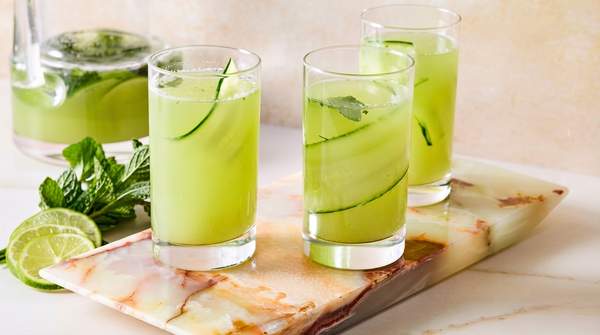
However, these arguments do not fully vindicate the trend in its current, popularized form. While making water more appealing is a valid goal, it can be accomplished far more simply and cheaply by adding a squeeze of lemon, a few mint leaves, or slices of cucumber. The leap to expensive, multi-ingredient supplement powders is not necessary to achieve this basic aim. Moreover, while convenience is valuable, it should not come at the cost of consuming unregulated ingredients or excessive amounts of certain nutrients. As Amy Shapiro cautioned in Vogue, 'More is not always better.' True health is built on consistent, foundational habits, not on complex, costly shortcuts or single, all-in-one 'hacks.'

Beyond Hydration: Stacked Water and the 'Micro-Occasion' Economy

To truly understand the stacked water phenomenon, we must look beyond the nutritional claims and analyze the powerful market forces shaping it. This trend did not emerge in a vacuum. It is a perfect product of a sophisticated wellness industry that is increasingly focused on creating and monetizing new consumer rituals. Research from insighttrendsworld.com identifies this as the rise of "micro-occasion architecture"—the commercial strategy of designing specific products for specific daily moments.

This framework helps explain why consumers are being encouraged to build "full-day functional beverage systems." The day is no longer just about meals; it's about a morning-start drink, a pre-workout energizer, a focus-enhancing afternoon beverage, and an evening wind-down tonic. Stacked water fits perfectly into this architecture, positioned as the ideal solution for the 'micro-occasion' of all-day hydration. It transforms a passive activity into an active, intentional, and, most importantly, shoppable ritual. This trend is particularly targeted at wellness-invested adults, typically aged 24–42, who have already normalized the use of adaptogens and other supplements.

This marketing push has been so effective that ingredients like lion's mane mushroom and magnesium citrate have become part of the mainstream consumer vocabulary. The non-alcoholic beverage category has shifted from simply being about 'alcohol replacement' to 'functional enhancement.' Consumers are not just avoiding alcohol; they are actively seeking beverages that promise a tangible benefit, whether it's improved focus, reduced stress, or better sleep. Companies like NA Beverage Co., which is developing tea-based social tonics, are capitalizing on this desire for functional, non-alcoholic options for social settings. Stacked water is the daytime, DIY version of this same impulse.

In my analysis, stacked water is therefore less a health trend and more a consumer identity trend. Participating in it—buying the powders, the special water bottles, the tiny whisks—is a signal that one is a sophisticated, proactive, and "optimized" individual. It's a performance of wellness as much as it is a practice of it. The real product being sold is not just hydration, but a sense of control and participation in an exclusive health-conscious culture.

What This Means for the Future of Wellness

The stacked water trend is a harbinger of what's to come in the wellness industry. We can expect to see an acceleration of functional beverages designed for ever-more-specific micro-occasions. The lines between food, supplement, and beverage will continue to blur, creating a confusing landscape for consumers to navigate. This future places a greater burden on individuals to become discerning critics of marketing claims and to seek out evidence-based information.

This underscores the need for a return to foundational principles. While the promise of an all-in-one-drink is alluring, it cannot replace the profound benefits of a holistic approach to health. As one expert quoted by everydayhealth.com aptly put it, "Supplements can have a place, but they’ll never outdo the basics: a balanced diet, quality sleep, movement, and taking care of your mental health." These pillars of well-being are not trendy and cannot be purchased in a powder, but they are the most reliable path to long-term health.

For those looking to improve their hydration, the recommendation remains simple. Drink water. If you find it unappealing, add natural flavors like fruit or herbs. If you are a high-performance athlete or have a specific medical condition, consult a healthcare professional or registered dietitian to develop a targeted hydration strategy. For everyone else, the most effective, safest, and most affordable hydration solution is the one that comes straight from the tap. It's time to unstack our water and reclaim the simple, powerful act of drinking it plain.