Nutrition

The Top 5 Best and Worst Foods for Your Health, According to a Surgeon

A Mumbai-based surgeon shares their top 5 best and worst foods for health, offering insights into dietary choices that impact long-term well-being. This guide helps you make informed decisions for better cardiovascular and metabolic health.

RP
Ryan Patel

April 7, 2026 · 7 min read

A visually striking split image contrasting healthy foods like fresh fruits and vegetables with unhealthy processed snacks, symbolizing a surgeon's advice on dietary choices for well-being.

This guide presents a surgeon's ranked list of the top 5 best and worst foods for health, specifically for individuals seeking informed dietary choices to support long-term well-being. The foods were evaluated based on their reported impact on major health outcomes, including cardiovascular and metabolic health.

This list is derived from the professional assessment of a Mumbai-based surgeon, as reported by news outlets, and is contextualized with data from public health research on common dietary risks.

Which Foods Offer the Most Health Benefits?

A report in the Hindustan Times details a surgeon's identification of several particularly beneficial food groups. These foods are characterized by high nutrient density, delivering significant vitamins, minerals, and beneficial compounds relative to their calorie content. Incorporating them into a balanced diet offers a practical step toward improved health.

1. Berries — For Antioxidant Power

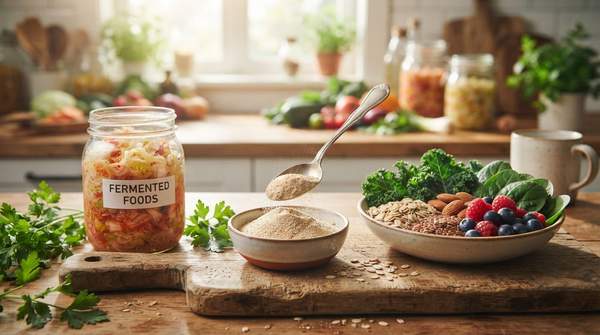
Berries, including strawberries, blueberries, raspberries, and blackberries, are ranked highly for their exceptional antioxidant content. These compounds combat oxidative stress, linked to chronic diseases. Berries are ideal for increasing fiber, vitamins (like Vitamin C), and phytonutrients without excess calories. Research consistently suggests fruit-rich diets are key to healthy eating patterns; low fruit consumption is a major U.S. dietary risk, according to NCBI.

Compared to other fruits, berries offer one of the highest antioxidant loads per serving. Their high fiber content also supports digestive health and can help regulate blood sugar levels. A potential limitation is their cost and seasonality, which can make them less accessible year-round for some. Frozen berries, however, offer a comparable nutritional profile and are often more affordable.

2. Nuts and Seeds — For Healthy Fats and Fiber

Nuts and seeds—almonds, walnuts, chia seeds, and flaxseeds—are prioritized for their concentration of healthy unsaturated fats, fiber, and protein. They are an excellent choice for supporting heart health and managing satiety, as their combination of fat, fiber, and protein makes them more filling than refined carbohydrate snacks. Low consumption of nuts and seeds is a significant U.S. dietary risk, as noted in an NCBI report. These foods, particularly walnuts and flaxseeds, provide essential omega-3 fatty acids important for brain health.


While highly beneficial, their primary drawback is caloric density. Portion control is essential, as it is easy to consume a large number of calories in a small volume. A typical serving is about one ounce, or a small handful.

3. Fatty Fish — For Omega-3 Fatty Acids

Fatty fish, such as salmon, mackerel, and sardines, are recommended as a primary source of the omega-3 fatty acids EPA and DHA. These specific fats are crucial for cardiovascular and cognitive function, making this food ideal for reducing inflammation and supporting brain health. Experts at Good Housekeeping also list fatty fish among 24 heart-healthy foods, underscoring this recommendation.

Fatty fish offers a high-quality protein source that is less common in plant-based foods. However, a notable limitation is the potential for mercury and other environmental contaminants. For this reason, it's often advised to vary the types of fish consumed and for certain populations, like pregnant women, to limit their intake of high-mercury species.

4. Leafy Greens — For Nutrient Density

Leafy greens, including spinach, kale, and Swiss chard, are foundational to a healthy diet due to their low-calorie, high-nutrient profile. They are packed with vitamins A, C, and K, alongside minerals like iron and calcium. These vegetables are ideal for increasing meal volume and nutrient content without significant calories. As with fruits, nuts, and seeds, low vegetable intake is a documented dietary risk.

Their versatility allows leafy greens to be easily incorporated into salads, smoothies, and cooked dishes. However, a drawback is their high vitamin K content, which can interfere with certain blood-thinning medications. Individuals on such medications should consult their doctor about maintaining a consistent intake.

5. Olive Oil — For Monounsaturated Fats

Extra virgin olive oil is highlighted for its high content of monounsaturated fats and polyphenols, which are associated with cardiovascular benefits. It serves as a primary cooking fat or dressing for salads and vegetables. Its anti-inflammatory properties make it a healthier alternative to saturated fats like butter or refined vegetable oils.

It is important to note that olive oil is calorically dense; its health benefits are most pronounced when it replaces less healthy fats in the diet, rather than simply being added on top. Quality also matters significantly: extra virgin olive oil is less processed and retains more beneficial compounds than more refined "light" olive oils.

What Are the Unhealthiest Foods to Avoid?

The same surgeon also identified five categories of foods that may negatively impact health, particularly when consumed frequently. These items are often highly processed, containing elevated levels of sodium, unhealthy fats, and added sugars, which are major dietary risks according to public health data.

1. Sugary Drinks — For Empty Calories and Sugar

Sodas, sweetened fruit juices, and energy drinks are singled out for their high concentration of added sugars and lack of nutritional value. These beverages are a significant contributor to excess calorie intake and offer no fiber, vitamins, or minerals. Regular consumption is linked to weight gain and metabolic issues. They are particularly problematic because liquid calories do not promote the same feeling of fullness as solid food, making overconsumption easy.

2. Processed Meats — For Sodium and Preservatives

Processed meats, including items like bacon, sausages, hot dogs, and deli meats, are often high in sodium and saturated fat. Their curing and preserving processes also create compounds detrimental to health. Due to these factors, experts cited by EatingWell identify them as among the worst foods for heart health, making their limited intake a common recommendation for reducing cardiovascular risk.

3. Instant Ramen — For High Sodium and Refined Carbohydrates

The surgeon's report specifically warns that instant ramen is not a healthy eating option. While convenient and inexpensive, these noodle packs are typically very high in sodium, often containing more than half of the recommended daily limit in a single serving. The noodles themselves are made from refined flour and are often fried during processing, adding unhealthy fats. Their lack of fiber, protein, and micronutrients makes them a poor choice for a regular meal.

4. Packaged Snacks — For Refined Ingredients

Packaged snacks like chips, crackers, and cookies are categorized as unhealthy due to their high levels of refined carbohydrates, unhealthy fats, and sodium. These ultra-processed foods are engineered to be highly palatable, which can encourage overeating. The NCBI notes that the most profitable food production sectors are often snack food producers, which can negatively influence public dietary practices. These foods offer little nutritional value and displace more nutrient-dense options in the diet.

5. Excessive Alcohol — For Overall Health Risks

Alcohol, though not a food, is included due to its significant health impact when consumed in excess. It provides empty calories and can negatively affect the liver, brain, and heart. Excessive consumption contributes to inflammation, nutrient malabsorption, and an increased risk of several chronic diseases. While moderation is key, abstinence is the healthiest choice for some individuals.

Food ItemCategoryReported ImpactBest For / To Avoid
BerriesBestHigh in antioxidants and fiberBest for increasing nutrient intake
Nuts and SeedsBestSource of healthy fats and proteinBest for heart health and satiety
Fatty FishBestRich in omega-3 fatty acidsBest for brain and cardiovascular health
Leafy GreensBestHigh in vitamins and mineralsBest for nutrient-dense, low-calorie meals
Olive OilBestHigh in monounsaturated fatsBest for replacing unhealthy fats
Sugary DrinksWorstHigh in empty calories and added sugarAvoid for metabolic health
Processed MeatsWorstHigh in sodium and preservativesAvoid for cardiovascular health
Instant RamenWorstExtremely high in sodium, refined carbsAvoid as a regular meal choice
Packaged SnacksWorstHigh in refined carbs, fats, and sodiumAvoid for overall dietary quality
Excessive AlcoholWorstProvides empty calories, liver strainAvoid or consume in strict moderation

How We Chose This List

This list's selections are primarily based on the publicly reported dietary recommendations of a Mumbai-based surgeon, reflecting a medical professional's perspective on common foods' impact on overall health. This framework was supplemented with findings from governmental health bodies, such as the National Center for Biotechnology Information, to provide context on established dietary risks within the U.S. population. Foods were chosen for their prevalence in modern diets and the clarity of evidence regarding their health effects.

The Bottom Line

This surgeon's perspective underscores a familiar yet crucial message in nutrition science: prioritize whole, nutrient-dense foods while minimizing highly processed products. For individuals aiming to improve their health, focusing on incorporating items like berries, leafy greens, and fatty fish can provide substantial benefits. Conversely, reducing the intake of sugary drinks, processed meats, and packaged snacks is a critical step toward mitigating long-term health risks.