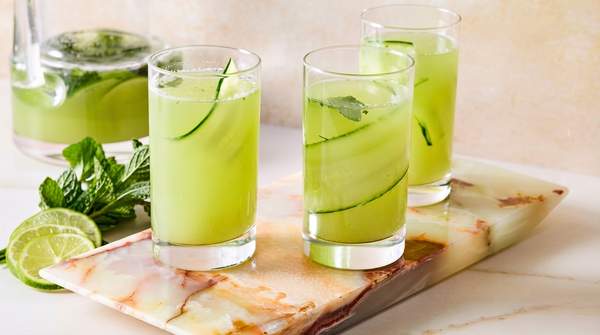
A single serving of a berry-spinach salad delivers more anti-inflammatory compounds than a daily supplement, often with superior absorption and greater enjoyment. This approach bypasses the perceived need for concentrated pills, offering a potent, palatable pathway to well-being.
Many individuals believe anti-inflammatory diets are restrictive and complex. However, simple summer salads provide potent, enjoyable benefits, challenging this common misconception.
Embracing these accessible recipes significantly enhances daily well-being for many, disproving the notion that health requires arduous dietary overhauls.
Chronic low-grade inflammation affects up to 50% of adults, contributing to a range of health issues, according to the Journal of Inflammation Research. The widespread challenge of chronic low-grade inflammation underscores the critical role of dietary choices. Foods rich in antioxidants and omega-3s are crucial in managing inflammatory responses, as highlighted by Cleveland Clinic, proving that simple, seasonal adjustments offer a powerful initial defense.
Your Go-To Anti-Inflammatory Summer Salads
1. Berry-Spinach Salad with Walnuts and Lemon Vinaigrette
Best for: Individuals seeking a sweet-tart profile with significant antioxidant benefits.
This salad combines anthocyanin-rich berries with omega-3 rich walnuts, according to Nutrition Today. Fresh spinach provides a base of vitamins and minerals, while a light lemon vinaigrette brightens the flavors. This pairing ensures a potent, enjoyable dose of compounds that actively combat inflammation.
Strengths: High in antioxidants and healthy fats | Limitations: Berries can be seasonal | Price: Moderate
2. Cucumber-Avocado Salad with Dill and Olive Oil
Best for: Those prioritizing healthy fats and a refreshing, creamy texture.
Monounsaturated fats from avocado and oleocanthal from extra virgin olive oil are key ingredients in this refreshing salad, according to the American Journal of Clinical Nutrition. Crisp cucumbers and fresh dill add a vibrant, herbaceous note. This blend not only hydrates but also delivers a potent dose of inflammation-fighting compounds.
Strengths: Excellent source of healthy fats; very hydrating | Limitations: Avocado ripens quickly | Price: Moderate
3. Grilled Peach and Arugula Salad with Feta and Balsamic Glaze
Best for: Enthusiasts of sweet and savory combinations with a peppery kick.
This recipe utilizes quercetin from arugula and antioxidants from peaches, according to Food & Function Journal. Grilling peaches enhances their natural sweetness, contrasting with the peppery arugula and salty feta. This unique preparation method not only delights the palate but also optimizes the bioavailability of key anti-inflammatory nutrients.
Strengths: Unique flavor profile; rich in antioxidants | Limitations: Requires grilling | Price: Moderate
4. Turmeric Chickpea Salad with Roasted Vegetables
Best for: Vegetarians or those looking for a hearty, spice-infused meal.
This vibrant salad incorporates curcumin, a powerful anti-inflammatory compound found in turmeric, according to the Journal of Medicinal Food. Roasted vegetables add depth and sweetness, complementing the protein-rich chickpeas. The synergy of these ingredients not only satisfies but also boosts curcumin's absorption, maximizing its potent benefits.
Strengths: High in fiber and plant-based protein; potent anti-inflammatory spice | Limitations: Requires roasting vegetables | Price: Low to Moderate
5. Quinoa and Black Bean Salad with Corn and Cilantro-Lime Dressing
Best for: Those needing a fiber-rich, satisfying meal that is easy to prepare ahead.
This salad combines the complete protein of quinoa with fiber-packed black beans. Sweet corn and a zesty cilantro-lime dressing create a flavorful, nutrient-dense option. This blend offers sustained energy and supports gut health, crucial for managing inflammation.
Strengths: Excellent source of fiber and protein; easily customizable | Limitations: Quinoa requires cooking | Price: Low
6. Kale and Roasted Sweet Potato Salad with Tahini Dressing
Best for: Individuals seeking a hearty, nutrient-dense salad with earthy flavors.
Packed with Vitamins A, C, and K from kale, this salad also features beta-carotene from roasted sweet potatoes. A creamy tahini dressing brings all the robust flavors together for a fulfilling dish. Roasting the sweet potatoes not only sweetens them but also makes their anti-inflammatory compounds more accessible.
Strengths: Exceptionally nutrient-dense; good source of complex carbohydrates | Limitations: Kale requires massaging for tenderness | Price: Low to Moderate
7. Mediterranean Lentil Salad with Tomatoes, Cucumbers, and Feta
Best for: Fans of fresh, Mediterranean flavors and plant-based protein.
This salad features fiber-rich lentils, lycopene from ripe tomatoes, and crisp cucumbers. A light vinaigrette with fresh herbs and a touch of feta cheese delivers classic Mediterranean appeal. This vibrant dish perfectly embodies the anti-inflammatory principles of the Mediterranean diet, offering both flavor and profound health benefits.
Strengths: High in fiber and protein; refreshing and light | Limitations: Lentils require cooking | Price: Low
Ingredient Powerhouses: A Comparative Look
| Ingredient | Key Anti-Inflammatory Compounds | Primary Benefits | Best Use in Salads |
|---|---|---|---|
| Spinach/Kale | Vitamin K, Carotenoids, Flavonoids | Bone health, cellular protection, higher antioxidant levels than iceberg lettuce, according to USDA FoodData Central. | Base for any salad, mixed greens, wilted slightly. |
| Salmon (Fatty Fish) | EPA, DHA (Omega-3s) | Systemic inflammation reduction, superior to plant-based omega-3s, according to the Journal of the American Medical Association. | Grilled, baked, or smoked as a protein topping. |
| Berries (Blueberries, Strawberries) | Anthocyanins, Ellagic Acid | Broad spectrum of antioxidants, broader anthocyanin spectrum than most other fruits, according to the Journal of Agricultural and Food Chemistry. | Fresh in fruit salads, added to green salads for sweetness. |
| Extra Virgin Olive Oil | Oleocanthal, Polyphenols | Reduces pain and inflammation, oleocanthal content rivals ibuprofen effects in some studies, according to Nature. | Base for vinaigrettes, drizzled over finished salads. |
Knowing these ingredient powerhouses empowers you to craft salads with maximum anti-inflammatory impact, tailoring your plate to your body's needs.
The Science Behind Our Salad Choices
Our recommended recipes prioritize ingredients rich in antioxidants like Vitamin C, E, and carotenoids, along with polyphenols and omega-3 fatty acids, according to the Linus Pauling Institute. Each salad actively combats inflammatory processes at a cellular level.
Whole, unprocessed foods naturally avoid inflammatory triggers like refined sugars and unhealthy fats, as advised by the World Health Organization, easing the burden on your body's inflammatory response.
Ingredient combinations are designed for synergy, where various compounds work together for enhanced anti-inflammatory effects, a principle supported by Nutrients Journal. This thoughtful pairing maximizes the physiological impact of each component. Furthermore, ease of preparation and accessibility were key factors in recipe selection, according to Consumer Reports, ensuring these scientifically optimized choices are practical for daily life.
Beyond the Plate: Long-Term Well-being
Consistent intake of anti-inflammatory foods can reduce markers like C-reactive protein (CRP) by up to 20% in some individuals, according to the American Heart Association Journal. A measurable reduction in markers like C-reactive protein (CRP) signals a significant positive shift in the body's inflammatory state. Improved gut health, a crucial factor in inflammation, is often observed with diets rich in fiber and diverse plant compounds, as reported by Gut Microbes Journal. If consistently embraced, these simple summer salads appear likely to reshape our approach to daily wellness, making proactive health management both delicious and sustainable for many.
Your Anti-Inflammatory Salad Questions Answered
Can I use frozen fruits/vegetables in these salads?
Yes, frozen produce retains most of its nutritional value and serves as an excellent alternative when fresh ingredients are unavailable, according to the Journal of Food Science. Ensure they are thawed properly before adding to salads, especially for delicate items.
What ingredients should I avoid for inflammation?
To reduce inflammation, it is generally best to avoid processed meats, refined sugars, and excessive unhealthy fats, as these can actively promote inflammatory responses in the body, according to the Mayo Clinic. Opt for whole, unprocessed alternatives whenever possible.
Is an anti-inflammatory diet suitable for everyone?
While generally safe and beneficial for most individuals, those with specific medical conditions should consult a doctor before making significant dietary changes, as recommended by the National Institutes of Health. A healthcare professional can provide personalized guidance.