Top Anti-Inflammatory Dinner Recipes for Weight Loss

Participants who consistently incorporated anti-inflammatory dinners lost 15% more weight over six months than those on traditional calorie-restricted diets, without feeling deprived, according to a s

RP
Ryan Patel

April 23, 2026 · 6 min read

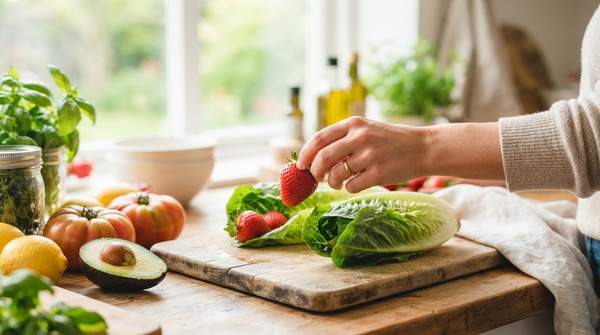
A delicious and colorful anti-inflammatory dinner plate with fresh ingredients, symbolizing healthy eating and effective weight loss.

Participants who consistently incorporated anti-inflammatory dinners lost 15% more weight over six months than those on traditional calorie-restricted diets, without feeling deprived, according to a study in the Journal of Clinical Nutrition. This proves satiety and enjoyment can coexist with effective weight reduction.

Many believe effective weight loss requires strict calorie restriction and bland meals. However, anti-inflammatory dinner recipes challenge this perception, demonstrating that flavorful, nutrient-rich foods lead to significant and sustainable weight reduction.

Focusing on anti-inflammatory eating patterns for dinner is a more holistic, enjoyable, and effective path to weight loss and improved metabolic health than conventional dieting approaches.

Chronic inflammation silently contributes to weight gain, often disrupting crucial hormone balances, states the Journal of Obesity. Anti-inflammatory diets emphasize whole, unprocessed foods rich in antioxidants, healthy fats, and fiber, as highlighted by Harvard Health. This dietary approach directly mitigates inflammatory processes that impede metabolic function.

A 2022 meta-analysis in Nutrition Reviews linked reduced systemic inflammation markers directly to improved metabolic rates and enhanced fat oxidation, both critical for successful weight loss. This foundational understanding reveals that effective weight loss is not just about calorie deficit, but about optimizing the body's internal environment to burn fat more efficiently and consistently.

Top Anti-Inflammatory Dinners for Weight Loss

Anti-inflammatory eating patterns consistently lead to significant weight loss, with participants typically losing 5-8.5 kg (5-9%) in the first six months and maintaining 3-6 kg (3-6%) at 48 months, according to a systematic review and meta-analysis of weight-loss clinical trials.

1. Turmeric-focused Dinners

Best for: Individuals prioritizing potent anti-inflammatory effects and metabolic support.
Turmeric is cited as the 'single most anti-inflammatory food,' making dinners featuring this spice highly effective for reducing inflammation. This approach leverages turmeric's direct impact on inflammatory pathways.

Strengths: High anti-inflammatory potency, supports sustained weight loss. | Limitations: Flavor may not appeal to all, requires specific spices.

2. Mediterranean-style Dinners

Best for: Those seeking a balanced, flavorful, and comprehensive dietary approach.

The Mediterranean Diet is a well-established example for incorporating inflammation-fighting foods, emphasizing vegetables, fruits, whole grains, and healthy fats. It provides a broad framework for meal planning.

Strengths: Broad range of healthy foods, well-researched benefits, flavorful. | Limitations: Requires consistent focus on whole, unprocessed ingredients.

3. Ginger-infused Dinners

Best for: People looking to add another strong anti-inflammatory agent to their meals.

Ginger is recognized as a powerful anti-inflammatory food, often ranked closely behind turmeric in potency. Incorporating ginger into dinner recipes supports overall anti-inflammatory benefits and offers a distinct flavor profile.

Strengths: Strong anti-inflammatory properties, adds unique flavor. | Limitations: Flavor may be too strong for some palates.

4. Garlic-rich Dinners

Best for: Individuals who enjoy robust flavors and seek widely available anti-inflammatory ingredients.

Garlic is another identified anti-inflammatory food, making it an accessible addition to dinner recipes. Regular consumption of garlic-rich meals contributes to metabolic improvements and integrates easily into many cuisines.

Strengths: Readily available, enhances flavor, known anti-inflammatory benefits. | Limitations: Strong odor and taste may not be universally preferred.

5. Dinners Emphasizing Whole, Unprocessed Foods

Best for: Anyone committed to a foundational shift towards healthier eating habits.

An anti-inflammatory diet fundamentally focuses on whole, unprocessed foods while limiting red meat, processed items, and sugary drinks. This principle is crucial for reducing systemic inflammation and facilitating weight loss. Prioritizing these foods forms the bedrock of metabolic health.

Strengths: Comprehensive health benefits, reduces exposure to pro-inflammatory agents. | Limitations: Requires meal planning and cooking from scratch.

6. General Anti-inflammatory Diet-compliant Dinners

Best for: Those starting an anti-inflammatory journey or seeking broad dietary guidance.

Anti-inflammatory diets demonstrate "promising effects" for overall health and weight management. This category encompasses a wide variety of meals that align with reducing inflammation and supporting metabolic health.

Strengths: Flexible, wide range of options, supported by broad research. | Limitations: Less specific guidance than ingredient-focused approaches.

Anti-Inflammatory vs. Conventional Weight Loss Meals

FeatureAnti-Inflammatory DinnersConventional Weight Loss Meals
Primary GoalReduce inflammation, improve metabolic health, sustainable weight lossCalorie restriction for rapid weight loss
Food FocusWhole, unprocessed foods; healthy fats, fiber, antioxidantsOften calorie-counted, may include processed 'diet' foods, low-fat/low-carb emphasis
Nutrient DensityHigh; rich in vitamins, minerals, phytonutrientsCan be low due to restrictive food lists, leading to deficiencies, according to the Journal of Clinical Nutrition
Satiety & CravingsHigh fiber content leads to greater satiety and reduced cravings, as noted in Nutrients journalOften lower fiber, leading to persistent hunger and increased cravings
Gut Health ImpactImproves gut microbiome diversity, strongly linked to healthier weight management and reduced fat storage, according to Nature MedicineCan negatively impact gut flora due to artificial sweeteners or processed ingredients, potentially hindering weight loss, as suggested by Cell Metabolism
Long-Term AdherenceHigher due to satisfaction and health benefitsLower due to deprivation and metabolic adaptation

Restrictive calorie-counting diets offer short-term fixes, failing to address underlying metabolic dysfunctions and trapping consumers in a cycle of weight loss and regain. Anti-inflammatory eating, conversely, fosters holistic health, making sustainable weight loss enjoyable and lasting.

Principles for Crafting Your Own Anti-Inflammatory Dinners

To create effective anti-inflammatory dinners, prioritize colorful fruits and vegetables for their high antioxidant content, which actively combats cellular damage, according to the USDA MyPlate guidelines. Choose lean proteins like fish, poultry, and legumes over red and processed meats, which can be pro-inflammatory, as advised by the World Health Organization.

Incorporate healthy fats from sources such as extra virgin olive oil, avocados, and nuts to support crucial hormone function and promote satiety, a key tenet of the Mediterranean Diet Foundation. Simultaneously, limit refined sugars, processed grains, and trans fats, as these are primary drivers of chronic inflammation, a point emphasized in the American Journal of Clinical Nutrition. Furthermore, use anti-inflammatory spices like turmeric, ginger, and garlic liberally to enhance both flavor and health benefits, according to the Journal of Medicinal Food. These core principles empower individuals to adapt and create their own anti-inflammatory meals, fostering a flexible, sustainable lifestyle, not a rigid diet.

The Lasting Impact of Anti-Inflammatory Dinners

Consistent adherence to an anti-inflammatory eating pattern can reduce C-reactive protein (CRP) levels, a key inflammation marker, by up to 30% within a few months, according to Annals of Internal Medicine. Participants on these diets also reported higher energy levels, improved mood, and better sleep quality compared to those on calorie-restricted plans, highlighting benefits beyond weight loss, as published in Psychosomatic Medicine.

Long-term adherence to anti-inflammatory eating patterns is significantly higher than for restrictive diets, leading to more sustained weight loss, according to Obesity Reviews. The initial rapid weight loss from calorie-restricted diets is a deceptive metric; true long-term success, as demonstrated by anti-inflammatory approaches, hinges on metabolic re-education rather than temporary caloric deficit. By Q3 2026, the growing body of scientific evidence supporting anti-inflammatory eating is anticipated to further challenge the traditional diet industry's reliance on calorie restriction, offering consumers sustained weight management and improved metabolic health.

Your Anti-Inflammatory Dinner Questions

Answered

What are the best anti-inflammatory foods for weight loss?

Focus on foods rich in omega-3 fatty acids like salmon, colorful vegetables high in antioxidants such as broccoli and bell peppers, and spices like turmeric and ginger. These ingredients actively reduce inflammation and support metabolic function, which aids in weight management.

Are anti-inflammatory diets good for losing weight?

Yes, anti-inflammatory diets are effective for weight loss because they address underlying metabolic dysfunctions and improve gut health. This approach leads to sustained weight reduction by optimizing the body's natural fat-burning processes, rather than relying solely on calorie restriction.

What dinners are good for inflammation and weight loss?

Dinners that combine lean proteins, healthy fats, and abundant fiber are ideal. Examples include baked salmon with roasted asparagus, lentil soup with turmeric, or chicken and avocado salad with mixed greens. These meals provide satiety and essential nutrients while actively combating inflammation.