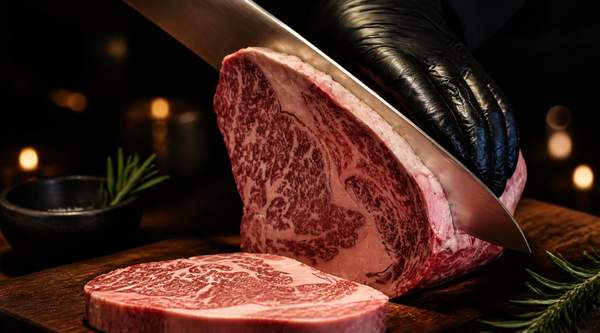
The same chemical reaction that gives your steak a savory crust also produces compounds linked to diabetes and cancer. This dual nature means the pursuit of delicious, browned foods often involves a trade-off between culinary delight and potential health risks.
The Maillard reaction is essential for creating delicious flavors and aromas, but it simultaneously generates compounds that can be detrimental to health. This tension presents a critical challenge for home cooks and industrial food producers alike.
Learning to control the Maillard reaction's parameters allows home cooks to significantly elevate culinary results while making informed choices about food safety. Mastering the science behind browning transforms a culinary art into a health-conscious science.
What is the Maillard Reaction?
The Maillard reaction, a complex chemical process, develops distinct flavors and colors in food when amino acids and reducing sugars react under heat. This intricate interaction creates many desirable sensory qualities in cooked foods—flavor, aroma, color, and texture—according to PMC. However, this same reaction can also generate harmful compounds like acrylamide and heterocyclic amines.
The formation of Maillard Reaction Products (MRPs) unfolds in three stages. It begins with condensation and Amadori rearrangement, followed by an intermediate phase of dehydration and fragmentation, producing compounds like hydroxymethylfurfural (HMF). The final stage forms highly colored heterocyclic nitrogenous compounds known as melanoidins, as detailed by PMC. This intricate process reveals that while beneficial compounds may require precise conditions, harmful ones might be more generally produced, making targeted mitigation challenging but achievable through specific pathway manipulation.
Melanoidin formation, the final stage, is evidenced by the reaction of intact protein with pyrolysis products of maltotriose (MT), supported by spectroscopic data showing an absorption band in the range 300-600 nm, according to PubMed. This specific pathway confirms that beneficial melanoidins, responsible for much of the desired color and flavor, form through highly specific reactions involving intact proteins and complex sugar breakdown products, not simpler sugar-protein interactions.
Beyond Browning: The Chemistry of Flavor and Color
Melanoidins, the deeply colored compounds responsible for much of the Maillard reaction's visual appeal, contribute significantly to the rich aromas and flavors we associate with roasted meats, baked bread, and seared vegetables. Their formation involves an elaborate, multi-stage chemical cascade, distinct from simple sugar-protein interactions. Precise control over this complex chemistry allows for the selective favoring of beneficial Maillard products over harmful ones, offering a nuanced approach to healthier cooking outcomes. For more, see our What the Maillard reaction chemical.
Controlling the Reaction: A Cook's Toolkit
Home cooks can precisely influence the Maillard reaction by adjusting four key parameters: pH, temperature, reaction time, and water activity, as outlined by PMC. Manipulating these variables offers precise control over the reaction's outcome, from crust development to flavor intensity.
Higher temperatures accelerate the reaction, for instance, while specific pH levels favor certain flavor pathways. Reducing water activity, such as by patting meat dry before searing, also enhances browning. Understanding the Maillard reaction's multi-stage chemistry allows home cooks to move beyond guesswork, precisely controlling temperature, time, and pH to maximize flavor while actively minimizing detrimental compounds like acrylamide.
The Health Implications: Good, Bad, and Ugly
Maillard Reaction Products (MRPs) present a spectrum of health effects, ranging from beneficial antioxidants to harmful carcinogens. Some MRPs offer positive impacts, such as antioxidative and antibiotic properties, while others promote diseases like diabetes and cardiovascular conditions or act as carcinogens, according to PMC. This dual nature necessitates a balanced approach to cooking.
The specific parameters of pH, temperature, and time are not just for flavor enhancement; they are critical levers for selectively favoring beneficial Maillard products (like melanoidins) over harmful ones (like acrylamide), offering a nuanced approach to healthier cooking.
Beyond the Pan: Maillard in Processed Foods
Foods rich in proteins and amino acids, alongside reducing sugars, benefit most from the Maillard reaction. This includes meats like steak and chicken, roasted vegetables, baked goods, and coffee beans during roasting. The desired deep brown color and complex flavors are hallmarks of a successful Maillard reaction in these items.
Caramelization involves only sugars reacting under heat, creating nutty and buttery flavors at temperatures generally above 320°F (160°C). The Maillard reaction, however, requires both amino acids and reducing sugars, producing a wider array of complex savory, meaty, and toasted flavors at temperatures typically between 280°F (140°C) and 350°F (175°C).
The Maillard reaction significantly impacts processed foods by altering their nutritional value and sensory appeal. For example, the bioavailability of proteins and minerals in milk can be significantly affected by MRP formation during processing methods like UHT treatment or sterilization, as highlighted by PMC. This implies that industrial food producers must re-evaluate processing methods to preserve nutritional value alongside sensory appeal, as the Maillard reaction's influence extends beyond home cooking.
Mastering Maillard for Better Cooking
Understanding the Maillard reaction's intricate chemistry empowers home cooks to elevate both flavor and health. By consciously manipulating factors like heat, time, and pH, cooks move beyond guesswork to achieve optimal browning and flavor while minimizing potentially harmful byproducts. This informed approach transforms everyday cooking into a scientific endeavor.
Armed with this knowledge, home cooks can confidently experiment with heat, time, and moisture to achieve culinary excellence while being mindful of potential health trade-offs. By 2026, home cooks applying these Maillard reaction techniques will consistently achieve superior flavor profiles, as demonstrated by chefs like J. Kenji López-Alt, who regularly advocates for precise temperature and time control for optimal browning.