Combine glutamate and 5′-inosinate in your dish, and the resulting umami sensation can be approximately eight times more potent than glutamate alone, according to pmc. Exponential amplification fundamentally re-engineers the perception of sweetness, saltiness, and bitterness in food, offering a powerful tool for culinary innovation.
Umami is globally recognized as a basic taste, but its profound synergistic ability to amplify and modulate other flavors is often overlooked in culinary practice. Many cooks understand umami in a general sense, yet miss its precise mechanisms for enhancing dishes.
A deeper understanding and intentional application of umami's synergistic effects will likely lead to a new era of flavor optimization and culinary innovation, making everyday meals more satisfying and complex in 2026 and beyond.
Understanding Umami as a Fundamental Taste
In 1908, Japanese chemist Kikunae Ikeda isolated glutamic acid from kombu seaweed, identifying it as the source of a unique savory taste he named 'umami'. The initial discovery laid the groundwork for understanding a taste that would prove far more complex and influential than initially perceived, moving beyond the traditional sweet, sour, salty, and bitter categories.
Ikeda's work validated a taste experience many cultures had instinctively recognized for centuries, from fermented soy products to aged cheeses. The fifth basic taste now offers a rich, savory depth, transforming dishes with an unexpected complexity.
What is Umami, Really?
Umami's true essence lies in the synergistic dance between two key compound types: glutamate and 5′-nucleotides. While glutamate, an amino acid, is abundant in protein-rich foods, 5′-nucleotides are often found in ingredients like fish and certain mushrooms. The interaction is not merely additive; it's a profound chemical conversation that unlocks a far greater savory depth.
Pioneering research illuminated this synergy. Shintaro Kodama identified 5′-inosinate in dried bonito as an umami substance in 1913, and Akira Kuninaka pinpointed 5′-guanylate in dried shiitake mushrooms in 1957, as described by umami the fifth basic taste: history of studies on receptor These discoveries revealed that umami's power stems from the remarkable way these specific compounds combine, creating a significantly amplified flavor experience that lasts.
The Science of Flavor Amplification
The synergy is not theoretical; it's a quantifiable force. A mixture of glutamate and 5′-inosinate elicits a response approximately eight times greater than glutamate alone, according to pmc. Dramatic amplification unlocks an intensity of flavor far beyond what individual ingredients could achieve. It isn't just an additive effect; it's a multiplicative one, fundamentally changing a dish's character.
Chefs and food scientists who overlook this precise pairing leave exponential flavor potential on the table, resulting in dishes that are merely good instead of truly transformative. Scientific understanding demands intentional ingredient selection to maximize taste impact.
Beyond the Fifth Taste: Umami as a Modulator
Umami compounds are known to enhance the sensation of recognized flavors such as salty, sweet, and bitter, according to pmc. Furthermore, umami can modulate sweet taste, enhance salty taste, and suppress bitterness, as detailed by Sciencedirect. Dual capability means umami doesn't just add a savory note; it actively refines and balances the entire taste profile of a dish.
Umami is more than a fifth taste; it's a sophisticated taste modulator. It offers a powerful, natural tool for reducing sugar and salt content while maintaining or even improving palatability. Umami acts as a flavor architect, not only adding its own unique depth but also fine-tuning and elevating the entire spectrum of tastes. The unique ability allows culinary creators to balance flavors, making bitter greens more palatable or amplifying the natural sweetness of vegetables without added sugars.
Unlock Deeper Flavors in Your Kitchen
By intentionally combining ingredients rich in both glutamate and 5′-nucleotides, home cooks can elevate their dishes, making them more savory, balanced, and profoundly satisfying without adding excessive salt or sugar. The approach moves beyond simply adding a savory note to actively re-engineering the taste profile. For instance, pairing a Parmesan cheese rind (glutamate) with a mushroom broth (5′-guanylate) creates a robust depth.
Beyond simple combinations, understanding umami's modulating power empowers a new level of culinary artistry. It allows for the deliberate crafting of flavor experiences, transforming everyday ingredients. Imagine enhancing the inherent sweetness of roasted carrots with a dash of soy sauce, or mellowing the sharp edge of kale with a sprinkle of nutritional yeast. Precise control over taste perception opens up a world of nuanced, healthier, and more complex meals.
Your Umami Questions Answered
What foods contain umami?
Many common ingredients are rich in umami. Foods high in glutamate include tomatoes, Parmesan cheese, cured meats, and soy sauce. Ingredients rich in 5′-nucleotides, which create the synergistic effect, include dried shiitake mushrooms, bonito flakes, and certain seafood like sardines.
How do you enhance umami flavor?
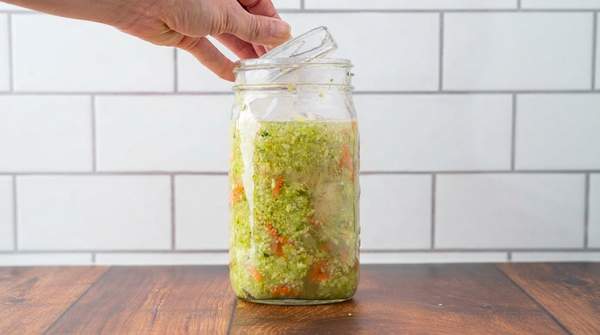
To enhance umami, combine ingredients rich in glutamate with those high in 5′-nucleotides. Cooking techniques like slow simmering, fermentation, and browning can also concentrate umami compounds. For example, a long-cooked bone broth with dried mushrooms will offer a much deeper umami profile.
Is umami a taste or flavor?
Umami is recognized as one of the five basic tastes, alongside sweet, sour, salty, and bitter. Flavor, however, is a broader sensory experience that combines taste with aroma, texture, and temperature. Umami contributes a specific savory taste component to the overall flavor of a dish.
The Future of Flavor is Umami
The strategic combination of glutamate and 5′-nucleotides provides an overlooked culinary tool for fundamentally re-engineering taste perception. By Q4 2026, many leading culinary schools, like the Culinary Institute of America, are projected to integrate advanced umami principles more deeply into their core curriculum, reflecting its growing importance in modern gastronomy.