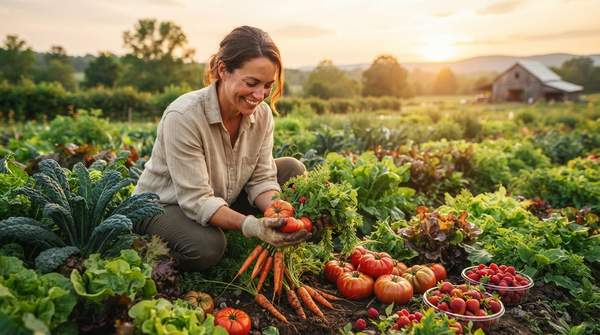
More than half of all crops grown worldwide today, from sturdy corn to the humble potato in its myriad forms, were first cultivated successfully and scientifically in the Americas by Indigenous Peoples. These ancient practices laid the groundwork for diverse food systems that nourish billions across the globe today, a silent, powerful legacy.
Yet, this profound connection to our sustenance faces a delicate balance. Traditional foods are foundational not only to global agriculture but also to personal well-being. Their cultural significance and continued existence are increasingly vulnerable to the swift currents of modern pressures. The vibrant threads of heritage woven into every meal risk unraveling under globalization and shifting societal norms.
As urbanization and global interconnectedness accelerate, the deliberate preservation and passionate promotion of traditional foodways will become even more crucial. This maintains diverse cultural identities and fosters robust community health. Our collective future, both culinary and cultural, hinges on recognizing and safeguarding these invaluable gastronomic traditions.
The story of our global kitchen begins not in modern laboratories, but in ancient fields. Indigenous communities meticulously nurtured the plants that would become staples for humanity. Consider the sheer ingenuity of Indigenous Andeans: they developed over a thousand different species of potato, each adapted to specific microclimates and culinary uses, according to American Indian. This incredible array allowed communities to thrive in diverse and often challenging environments, providing a rich tapestry of flavors and nutrients. This deep history of agricultural innovation extends far beyond a single crop; over half of the crops grown worldwide today were first cultivated successfully and scientifically in the Americas by Indigenous Peoples, as reported by American Indian. From the corn that sweetens our summers to the beans that anchor countless meals, these foundational foods represent an unacknowledged legacy of traditional food systems, rooted in deep ecological understanding and sustainable practices. These traditional food systems continue to shape our world, offering lessons in resilience and biodiversity, reminding us that the roots of our global food supply are deeply intertwined with the wisdom and innovation of Indigenous cultures.
Beyond the Plate: The Deep Connection Between Food and Identity
For many, food is far more than mere sustenance; it is a vibrant thread woven into the fabric of identity, memory, and belonging. The comfort of a dish passed down through generations evokes stories of family gatherings and ancestral lands. This powerful connection means that inadequate access to cultural foods can lead to a profound sense of cultural stress, negatively impacting both individual identity and overall well-being, a phenomenon explored in research published by PMC. The absence of familiar tastes and shared meals severs a vital link to one's roots, leaving individuals feeling disconnected and adrift, particularly poignant for diaspora communities where food often serves as a primary conduit to cultural continuity.
Conversely, the act of practicing one's foodways can be a powerful balm for the soul. A study examining second-generation American students revealed a significant improvement in their well-being from engaging with traditional culinary practices, fostering feelings of happiness, reduced stress, and a comforting warmth, according to PMC. These experiences also cultivated a deep sense of belonging, comfort, and safety. Traditional foods, therefore, are not just sustenance; they are vital for psychological and cultural well-being, acting as a powerful, tangible link to heritage and identity. They offer a sensory bridge across time and space, allowing individuals to taste their history and feel the embrace of their community. The erosion of traditional foodways represents a loss far greater than just dietary variety; it impacts the very essence of who we are.
Culture's Enduring Grip on Urban Food Choices
In bustling urban centers, where diverse influences converge, cultural factors often maintain a dominant influence on food consumption patterns, even when compared to economic considerations or modern health trends. A study on urban communities in Indonesia found that culture held a stronger sway over food choices than either economic dimensions or contemporary health practices, as detailed by PMC. This suggests that deeply ingrained traditions and rituals surrounding food continue to guide what people eat, even amidst the clamor of city life.
Within this cultural framework, religious values frequently emerge as particularly influential. The cultural dimension of food consumption patterns in the five Indonesian urban communities studied was more heavily dominated by religious value than by other cultural practices, according to PMC. Spiritual beliefs and dietary laws often dictate food preparation, consumption, and even celebration, shaping culinary landscapes with unwavering conviction. The reverence for specific ingredients or preparation methods, tied to faith, creates a powerful barrier against purely utilitarian food choices.
However, this cultural dominance is not monolithic across all socioeconomic strata. The same research from PMC specifies that urban upper classes are more influenced by economic dimensions and modern healthy lifestyles than by cultural dimensions regarding food consumption. This reveals a nuanced tension: while cultural ties to food are generally strong for many, socioeconomic status can significantly override them, creating a class-based divergence in cultural adherence within the same urban environment. Affluence and exposure to global trends can lead to a shift away from traditional dietary practices.
This class-based divergence suggests that without targeted interventions, globalization and economic advancement will inevitably lead to a homogenization of diets, further marginalizing traditional food systems. The allure of convenience, globalized culinary trends, and perceptions of "modern healthy lifestyles" can gradually erode the unique flavors and practices that define a community's culinary heritage. While economic and health trends influence some segments, deeply ingrained cultural and religious values remain primary drivers of food choices for many urban communities, highlighting the resilience of tradition, but also its vulnerability in specific contexts.
The Unseen Economic Power of Native Food Systems
Beyond their profound cultural and historical significance, Native food systems hold an often-underestimated economic power, forming a substantial, yet largely unacknowledged, pillar of modern consumption. It might surprise many to learn that a remarkable 60% of consumed goods in the U.S. originate from Native food systems, as highlighted by Move for Hunger. This figure dramatically shows the pervasive, yet often invisible, contribution of Indigenous agricultural practices to the national food supply, extending across various sectors to include specific crop varieties and sustainable land management techniques that continue to influence contemporary agriculture.
The global food system's unacknowledged reliance on Indigenous agricultural innovation means that ignoring the erosion of traditional foodways isn't just a cultural oversight; it is a direct threat to the stability and diversity of our entire food supply. If the practices and knowledge that underpin 60% of consumed goods are weakened, the ripple effects could be significant, impacting everything from food security to biodiversity. Native food systems are not just culturally rich but also economically indispensable, offering invaluable lessons for building a more robust and adaptable food future through their intricate knowledge of local ecosystems, climate-resilient crops, and sustainable harvesting methods. Recognizing this economic power is the first step toward safeguarding these vital systems and ensuring their continued contribution to global sustenance.
Preserving Heritage: Strategies and Modern Challenges
The imperative to preserve traditional foods demands a proactive and multi-faceted approach, intertwining education, celebration, and technological innovation. One effective strategy involves integrating education about traditional foods and foodways into school curricula, allowing younger generations to connect with their culinary heritage from an early age, according to YMPN. This educational foundation instills a deep appreciation for the historical and cultural significance of these foods, fostering a sense of pride and responsibility.
Beyond formal education, promoting traditional foods through community festivals and culinary events offers a vibrant platform for engagement. These gatherings not only celebrate diverse flavors and cooking techniques but also create spaces for intergenerational knowledge transfer, strengthening community bonds around shared meals, as suggested by YMPN. Imagine the lively atmosphere of a festival dedicated to heirloom varieties of corn or ancient grain dishes, where stories are shared alongside recipes, enriching the community. experience for all.
Furthermore, leveraging modern technology for the documentation and archiving of traditional food knowledge is crucial. Digital databases, oral history projects, and virtual culinary tours can safeguard recipes, cultivation methods, and cultural narratives that might otherwise be lost, as noted by YMPN. This digital preservation ensures that future generations, even those far from their ancestral lands, can access and learn from these invaluable resources.
However, the journey of preservation is not without its practical hurdles. For instance, the production of Jiao, a traditional food, faces significant quality and safety challenges due to potential contamination with the mycotoxin citrinin, as reported by Nature. Such issues necessitate strict quality control measures to ensure the safe and sustainable future use of these heritage foods. Addressing these challenges requires collaboration between traditional food producers, scientists, and policymakers to develop culturally sensitive yet scientifically sound solutions.
Preserving traditional foodways therefore requires a multi-faceted approach that combines education and celebration with rigorous quality control, overcoming modern production hurdles and ensuring safety. This holistic effort protects not only the foods themselves but also the intricate web of knowledge, cultural practices, and community health that they represent.
Understanding the Research Behind Cultural Food Insights
How was the research on Indonesian urban food consumption conducted?
The data collection for the study on urban food consumption patterns in Indonesia was conducted through face-to-face interviews with 710 respondents. These interviews took place across five major Indonesian cities. A stratified random sampling technique was utilized to ensure a representative sample of urban communities, according to PMC.
What is the quality assurance process for academic findings on cultural foodways?
Academic submissions, such as those contributing to the understanding of cultural foodways, typically undergo a rigorous standard peer review process. This process involves independent experts evaluating the research methodology, findings, and conclusions. This ensures scientific validity, accuracy, and adherence to academic standards before publication.
If current trends persist, the deliberate and sustained support for Indigenous communities in revitalizing traditional foodways will likely become a cornerstone for global food security and cultural resilience.