Melatonin treatment can extend the shelf life of refrigerated pak choy by an astonishing 10 days, according to Cornell University News. This natural compound keeps the vegetable green for five days longer than untreated controls, significantly delaying the yellowing process. Such breakthroughs in food preservation promise extended freshness and quality for consumers.
Historically, food preservation focused on eliminating spoilage through harsh treatments. Yet, the scientific community now prioritizes milder, integrative, and sustainable strategies that also preserve quality and nutrition. The scientific community's prioritization of milder, integrative, and sustainable strategies marks a profound evolution in how we approach food longevity.
Food preservation will increasingly leverage natural compounds, edible coatings, and active packaging to enhance both longevity and nutritional integrity. Leveraging natural compounds, edible coatings, and active packaging will lead to reduced global food waste and improved food accessibility, fundamentally changing consumer expectations for fresh produce.
The Shifting Paradigm of Preservation
The quest to extend food life has decisively moved beyond synthetic preservatives and high-intensity treatments. A deliberate shift towards milder, integrative, and sustainable strategies now guides research and development, according to PMC. The shift towards milder, integrative, and sustainable strategies now places food safety and environmental impact on equal footing.
Many modern food preservation methods also preserve nutritional value, a critical benefit for communities with limited access to fresh food, states David Suzuki Foundation. The fundamental shift towards modern food preservation methods signals a future where food preservation champions not just safety, but also nutritional value and global accessibility. The focus now embraces holistic quality, moving beyond mere spoilage prevention.
Traditional preservation often centered on microbial control, sometimes sacrificing sensory attributes. Modern approaches, however, seamlessly blend safety with maintaining appearance, texture, and flavor. The integrative strategy of modern approaches delivers a more comprehensive preservation outcome.
Such sustainable strategies also directly combat food waste, a pressing global concern. By extending the usable life of produce and other food items, these methods optimize supply chains and ensure fresh, nutritious food remains available for longer periods. Extending the usable life of produce and other food items creates a win-win for both producers and consumers.
The Core Science: How Preservation Works
Ensuring food safety often involves precise control over environmental factors. A food product with a pH of 4.6 or lower will not support the growth of Clostridium botulinum, according to University of Nebraska-Lincoln Extension. This condition allows for a less severe heat treatment to produce a safe, shelf-stable product.
Indeed, if the pH of a low-acid food is lowered to 4.6 or below, the spores of Clostridium botulinum will not germinate or produce toxin, explains the University of Nebraska-Lincoln Extension. This principle is foundational in processes like canning, where acidity is crucial for microbial safety. While traditional methods prioritize microbial safety and shelf stability through processing, they often overlook sensory quality.
A comprehensive shelf life study involves identifying critical quality depletion events, monitoring indicators over time, and modeling experimental data to predict longevity, notes PMC. This rigorous scientific assessment underpins the development of safe and effective food preservation techniques. It also sharply contrasts with older approaches, as newer, natural methods now successfully extend shelf life while actively preserving delicate sensory attributes like color.
Understanding specific vulnerabilities of different foods to spoilage agents—whether microbial, enzymatic, or chemical—allows scientists to tailor preservation strategies. This foundational knowledge supports the development of both traditional and innovative methods, ensuring food remains safe for consumption.
Subtle Challenges in Maintaining Quality
Even with advanced preservation techniques, maintaining all aspects of food quality presents subtle complexities. The type of cork stopper significantly impacts the volatile composition of sparkling wines, as detailed by PMC. Research shows that 2D stoppers preserved fruity and sweet aromas better after 42 months of storage compared to other types.
The finding that 2D stoppers preserved fruity and sweet aromas better reveals how seemingly minor packaging components can profoundly and long-term affect the sensory attributes of preserved foods. It extends the challenge beyond microbial control to include complex flavor and aroma profiles. The choice of closure, for example, directly impacts the delicate balance of compounds that define a product's character.
Preserving sensory excellence demands meticulous attention to detail in every aspect of the food system, from processing to packaging. Preserving sensory excellence means successful preservation strategies must not only prevent spoilage but also actively protect the nuanced qualities consumers value. The interaction between food and its packaging materials requires careful study to prevent unwanted changes.
The intense focus on preserving complex sensory attributes signals a more sophisticated and consumer-centric approach to food longevity. It moves beyond merely preventing spoilage, ensuring food retains its peak enjoyable characteristics for an extended period. Ensuring food retains its peak enjoyable characteristics for an extended period represents a significant leap in preservation goals.
Practical Innovations for Extended Freshness
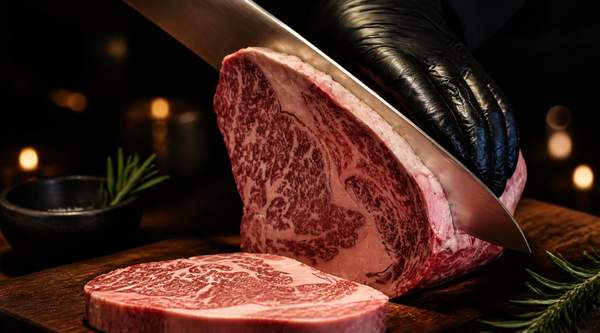
Specific, effective preservation techniques are readily available for both consumers and producers to maintain food quality. Vacuum packaging, for instance, can maintain the quality characteristics of beef steaks during extended display periods, according to PMC. This method removes oxygen, which slows oxidative spoilage and microbial growth.
Simple yet effective packaging technologies like vacuum sealing offer tangible benefits in extending the visual and textural appeal of perishable goods. This method prevents discoloration and maintains desired firmness over time, providing an accessible way to enhance freshness without complex chemical treatments.
Beyond vacuum sealing, other practical methods include controlled atmosphere packaging, which adjusts gas compositions around food to inhibit spoilage. These techniques are often employed in commercial settings to prolong the freshness of produce, meats, and other sensitive items. Controlled atmosphere packaging and other practical methods directly reduce food waste by extending the window for consumption.
The continuous development of practical applications ensures advancements in preservation science translate into real-world benefits. The continuous development of practical applications provides concrete ways to improve food longevity and quality throughout the supply chain, from farm to table. They support the broader goal of delivering fresher, more nutritious food to a wider population.
What's New in Edible Coatings?
What are the latest innovations in food preservation?
A team of researchers in India has developed an edible, protective coating from micro-algae extract and polysaccharides. This innovation could potentially extend the shelf life of various foods to almost two months, according to Consentio. Such edible coatings, derived from natural sources, offer a promising frontier for significantly extending food shelf life in an environmentally friendly manner.
The Future of Active and Smart Preservation
The integration of bioactive compounds and smart materials into packaging is revolutionizing how food is protected. Edible films incorporating mushroom-mediated zinc oxide nanoparticles and propolis can be used for wrapping pork belly to extend its shelf life, states PMC. Active packaging functionalized with antimicrobial peptide 1018K6 shows positive effects on microbial growth, physicochemical properties, and sensory attributes of raw salmon fillets and hamburgers, according to PMC. A move towards packaging that actively contributes to preservation, delivering enhanced microbial control and quality preservation beyond passive barriers is signaled by these advancements.
The discovery that melatonin can extend pak choy's shelf life by 10 days and maintain its greenness for five days longer signals a coming revolution where bio-active compounds, not harsh chemicals, will dictate the future of produce preservation, fundamentally altering supply chains and consumer expectations for freshness. The paradigm shift towards milder, integrative, and sustainable preservation strategies means consumers can anticipate a future where food is not just safe, but consistently retains its peak nutritional value and sensory quality for far longer, challenging the very definition of 'fresh' and 'preserved' foods.
By Q3 2026, food producers who have not adopted advanced bio-derived coatings and active packaging solutions, like those utilizing micro-algae extracts for two-month shelf life, will likely see their market share erode as consumer demand for extended freshness and nutritional integrity grows.