Up to 80% of premature heart disease and stroke can be prevented through life choices like a healthy diet and physical activity, according to the Heart and Stroke Foundation. Up to 80% of premature heart disease and stroke can be prevented, proving many severe outcomes are not inevitable. Yet, while the benefits of a diet rich in fruits and vegetables are clear, the daily commitment to preparing such meals often overwhelms beginners. The ambition to integrate disease-preventing foods clashes with practical hurdles: time, planning, and culinary skill.
Meal prepping offers a powerful solution. By breaking down healthy eating into manageable, pre-planned steps, it empowers beginners to overcome these common barriers. Meal prepping simplifies the process, transforming consistent healthy choices from an aspirational goal into a practical reality, leading to significant, lasting health improvements.
What is Meal Prepping and Why It Matters
A healthy diet lowers your risk of heart disease and stroke by improving cholesterol, reducing blood pressure, managing weight, and controlling blood sugar, states the Heart and Stroke Foundation. Meal prepping directly supports these goals by making consistent healthy eating a reality. Meal prepping ensures nutritious choices are always available, minimizing reliance on less healthy options during busy times. For beginners, this structured routine is invaluable; it allows for careful portion control and ingredient selection, turning the aspiration of a healthier diet into a tangible, daily practice. The true power of meal prepping lies not just in eating well, but in systematically removing the excuses that often derail good intentions.
The Core Principle: Half Your Plate
The Heart and Stroke Foundation advises filling half your plate with vegetables and fruit at every meal and snack. Filling half your plate with vegetables and fruit at every meal and snack is a cornerstone of healthy eating, but achieving it consistently demands deliberate planning. Meal prepping makes this recommendation achievable by pre-portioning these essential food groups, transforming an aspirational guideline into a daily reality. Without this advance preparation, ensuring a steady supply of fresh produce becomes a constant struggle, making the "half plate" goal an elusive ideal rather than a practical habit.
Starting Small: Avoiding Overwhelm
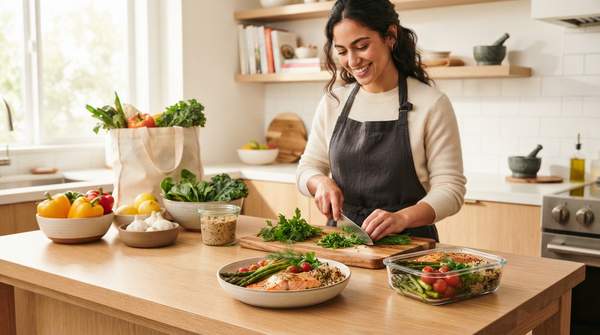
Beginners should start small, perhaps by prepping ingredients for tomorrow's dinner or a simple salad for lunch, advises Plan to Eat. Starting small counters the overwhelming pressure of instantly filling half your plate with fruits and vegetables at every meal, a goal that often deters new healthy eaters. Overambitious starts lead to burnout; true success lies in micro-commitments that build confidence and establish routine without a complete dietary overhaul. Health promotion must shift from merely stating "what" to eat, to emphasizing the "how"—highlighting meal prep's time-saving and organizational benefits. Emphasizing meal prep's time-saving and organizational benefits is key to unlocking the 80% disease prevention potential identified by the Heart and Stroke Foundation for the average person.
Smart Grocery Planning for Vegetables
Plan your weekly grocery trip around three vegetables: two for meals and one for snacking, suggests Shape Your Future OK. Planning your weekly grocery trip around three vegetables ensures a consistent supply, supports the "half plate" goal, and prevents last-minute scrambling or food waste. Successful healthy eating isn't just about willpower; it's about breaking down overwhelming goals into granular, manageable steps. Focusing on just three vegetables simplifies shopping and cooking, making the integration of more produce less intimidating. Focusing on just three vegetables bridges the gap between aspirational consumption and the practical realities of daily meal preparation, streamlining the entire process.
Beyond Veggies: Planning Your Proteins
To begin meal prepping, focus on simple components rather than full meals. Prepare cooked grains, roasted vegetables, or a batch of grilled chicken, as outlined in A Beginner's Guide to Healthy Meal Prep. Similarly, plan your weekly grocery trip with three proteins: two for dinners and one for breakfasts, according to Shape Your Future OK. Easiest meals involve versatile ingredients like a large batch of shredded chicken or ground turkey, paired with a whole grain such as brown rice. These components can then be mixed with various sauces or fresh greens throughout the week for varied, simple meals. Strategic component prep not only simplifies daily cooking but also inherently supports weight loss by enabling precise portion control and consistent consumption of nutrient-dense foods, removing the guesswork and preventing impulsive, unhealthy choices.
The Real Payoff: Time, Organization, and Savings
Meal prep saves time, organizes your kitchen, and helps you stick to a grocery budget, according to Plan to Eat. Beyond health advantages, these tangible daily benefits simplify life and improve financial well-being. The practical ease of meal preparation, not just health knowledge, is the true driver of consistent healthy eating and disease prevention. By reducing daily cooking stress and providing structured meal options, individuals are far more likely to maintain healthy habits long-term, directly addressing the tension between aspirational health goals and busy schedules.
If meal prepping adoption continues its current trajectory, organizations like the Heart and Stroke Foundation could likely report significant shifts in public health metrics by the end of 2026.