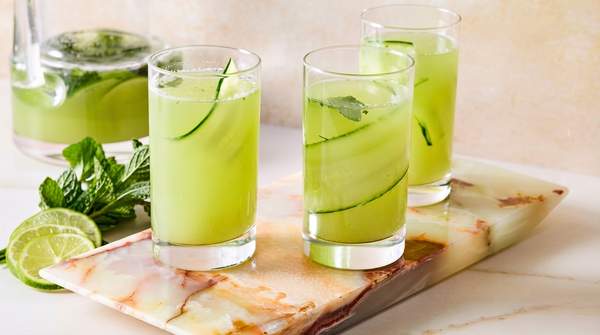
A single batch of improperly fermented kombucha can harbor harmful bacteria like E. coli, turning a health pursuit into a serious health risk for consumers. This unseen microbial contamination can lead to gastrointestinal distress or more severe foodborne illnesses, directly contradicting the intended wellness benefits of home fermentation.
The allure of health benefits and simple DIY processes drives many to home fermentation, but the underlying microbiology demands rigorous attention to detail and safety that is often overlooked. Enthusiasts creating their own kimchi, kombucha, or sourdough frequently underestimate the precise controls required to cultivate beneficial microbes safely.
While home fermentation is gaining popularity, a lack of widespread understanding of critical safety measures suggests a potential increase in preventable foodborne illnesses among enthusiasts.
The Allure of the Alive: Why Ferment at Home?
Fermented foods attract many home cooks seeking to enhance gut health by introducing beneficial microbes and producing postbiotics, according to Gut Microbes Journal. This appeal extends to diverse ferments, each with unique microbial processes. Kimchi fermentation, for example, relies on lactic acid bacteria (LAB) that produce lactic acid, lowering pH and inhibiting spoilage organisms, as detailed in the Journal of Food Science.
Kombucha involves a symbiotic culture of bacteria and yeast (SCOBY) that ferments sweetened tea into a tart, fizzy drink, reports Food Microbiology. Similarly, sourdough starter consists of wild yeast and lactobacilli, requiring regular feeding with flour and water, according to The Art of Sourdough. These distinct microbial interactions give fermented foods their unique characteristics and potential health benefits. Yet, this pursuit of wellness often overlooks the precise scientific rigor needed to safely harness these microscopic powerhouses, a critical oversight for home fermenters.
Getting Started: Essential Ingredients and Basic Preparation
Common ingredients for kimchi include napa cabbage, gochugaru (chili powder), garlic, ginger, and fish sauce, according to Maangchi's Kitchen. For kombucha, black or green tea and white sugar are standard, as artificial sweeteners can inhibit SCOBY activity, reports Kombucha Kamp. Sourdough bread requires strong bread flour, water, salt, and an active starter, states King Arthur Baking.
The initial salt concentration in vegetable ferments like kimchi is critical for drawing out water and creating an environment where LAB thrive, as outlined in Fermented Vegetables. These fundamental ingredient and preparation requirements are the first critical step towards a successful and safe fermentation, ensuring the right environment for beneficial microbes from the start.
When Things Go Wrong: Identifying Spoilage and Safety Risks
Potential risks of home fermentation include contamination by pathogenic bacteria such as Clostridium botulinum or E. coli if conditions are not acidic enough or are improperly anaerobic, warns the CDC. Mold growth, appearing as fuzzy, colored spots, indicates spoilage; the entire batch should be discarded, advises the National Center for Home Food Preservation. Off-odors, such as rotten or putrid smells, or unusual colors, are strong indicators of spoilage and demand immediate discard, reports Food Safety News.
Under-fermentation, where the pH does not drop sufficiently, poses a higher safety risk due to potential pathogen survival, according to Food Science & Technology. This implies that reusing 'mother' cultures or starter liquids, while economical, can inadvertently concentrate harmful bacteria over time if not rigorously managed. Recognizing these critical signs of spoilage and understanding the underlying risks is paramount for preventing foodborne illness and ensuring safe homemade ferments.
Mastering the Craft: Best Practices for Safe Fermentation
Proper sanitation of equipment, including jars and utensils, with hot soapy water or sanitizing solutions is crucial to prevent contamination, states the USDA Food Safety. Temperature control is vital; specific ranges are needed for different ferments to encourage beneficial microbes and deter pathogens, with kombucha thriving at 75-85°F and kimchi at 60-70°F, according to Fermentation Magazine. pH testing offers a reliable way to ensure safety, as most ferments need to reach a pH below 4.5, reports the Ball Blue Book Guide.
Air exposure can lead to mold or spoilage in anaerobic ferments like kimchi or pickles, requiring airlocks or proper sealing, as detailed in the Noma Guide to Fermentation. Implementing these precise controls and maintaining strict hygiene are non-negotiable for creating an environment where beneficial fermentation thrives safely, significantly reducing the risk of cultivating unintended pathogens.
Your Fermentation Questions Answered
What are signs of successful fermentation?
Signs of successful fermentation include consistent bubbling, a pleasant sour aroma, and a noticeable change in the food's texture. For example, fermented vegetables like kimchi will soften slightly and develop a complex, tangy flavor as lactic acid bacteria do their work, according to Fermentation Revival.
What happens if I over-ferment my batch?
Over-fermentation can lead to excessively sour flavors or an undesirable texture, such as a mushy consistency in vegetables. While not typically a safety concern if the pH has dropped sufficiently, it can make the food unpalatable, reports Cultures for Health.
What is the best way to store finished ferments?
Storing finished ferments in the refrigerator significantly slows microbial activity, extending their shelf life from weeks to several months. This cool environment preserves flavors and beneficial compounds while preventing further fermentation, according to University Extension Services.
The Rewarding Path of Responsible Fermentation
Given the increasing popularity of home fermentation alongside a persistent lack of rigorous safety education, a rise in preventable foodborne illnesses among enthusiasts appears likely, underscoring the urgent need for comprehensive safety protocols to match the allure of DIY wellness.