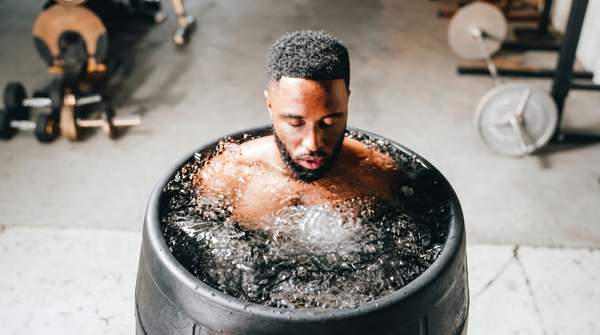
Cold water immersion genuinely reduces post-workout muscle soreness and speeds perceived recovery, but the same mechanism that calms inflammation can also interfere with muscle building if you plunge too close to a strength session. The evidence points to a practical rule: if your priority is feeling fresh for tomorrow's performance, a cold plunge can help; if your priority is long-term muscle growth, keep the plunge away from your resistance training — Cleveland Clinic's guidance warns against plunging within four hours of a muscle-building workout, and other researchers advise waiting at least a few hours. Here is how the physiology works, how to weigh the trade-off, and how to attempt your first plunge safely.
Understanding Cold Plunges: How They Work
The core mechanism is vascular. When you slip into frigid water, the cold constricts your blood vessels, temporarily reducing swelling and inflammation in overworked muscles, as Cleveland Clinic explains. That vasoconstriction is why an ice bath can take the edge off soreness after a hard training session — you are essentially dialing down the inflammatory response that contributes to pain and swelling in the hours after exercise.
Research summarized by Mayo Clinic Health System, in an article authored by sports scientist Andrew Jagim, indicates that icy water may have a positive effect on recovery after exercise precisely by reducing inflammation and soreness. The benefit is measurable in the short term: one systematic review and meta-analysis of physically active populations found that cold water immersion improved muscular power, muscle soreness, and perceived recovery 24 hours after exercise, with dose–response analyses suggesting shorter durations and lower temperatures may improve efficacy after high-intensity exercise.
There may also be a nervous-system dimension. Summarized research on cold water immersion suggests it may improve autonomic nervous system recovery by inhibiting sympathetic ("fight or flight") activity and activating the parasympathetic system, alongside reductions in subjective markers of exercise-induced muscle damage like perceived pain and delayed-onset muscle soreness. These are acute effects on recovery markers and subjective well-being — not proof of lasting physiological adaptation.