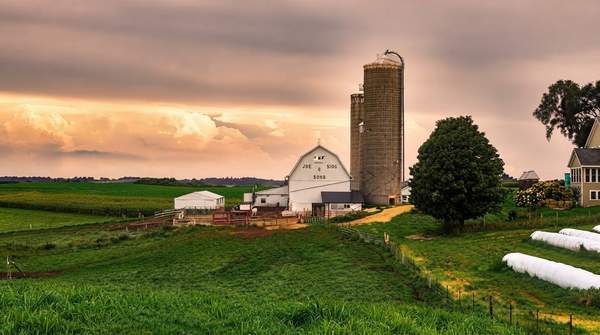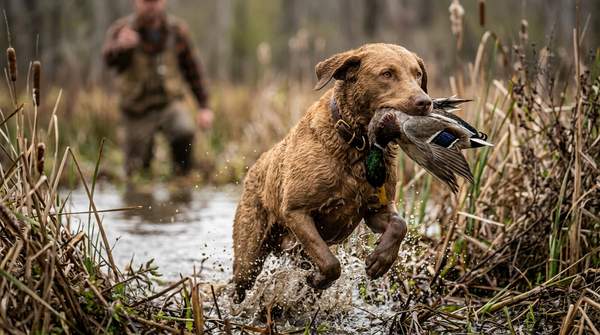
As the sporting community looks toward 2027, the ecological integrity of America's upland habitats has emerged as a critical focal point. These dynamic ecosystems form the raw backdrop for the storied tradition of upland hunting—a demanding, heritage-rich pursuit that hinges entirely on resilient landscapes and thriving wild bird populations.
Leading the charge to secure this future, the Sporting Dog & Habitat Foundation works tirelessly to protect both these crucial terrains and the classic American bird dog traditions that bring them to life. For conservationists, field competitors, and outdoor enthusiasts, understanding the shifting forces behind these habitats is key to safeguarding our shared outdoor legacy.
Key Trends That Has Shaped Upland Wildlife Spaces in 2026
The conservation landscape entering 2027 is undergoing a profound transformation, driven by mounting ecological pressures, shifting public awareness, and modernized protection strategies. For forward-thinking entities like the Sporting Dog & Habitat Foundation, these shifts represent a critical crossroads—one that demands both rapid adaptation and strategic foresight to safeguard the future of upland ecosystems.
Four key trends are defining this new era of habitat stewardship:
- Accelerated Habitat Loss and Population Decline: Mounting scientific data reveals steep declines in key upland bird species, transforming routine land management into an urgent ecological rescue mission.
- Growth of Grassroots and Niche Conservation Groups: Passionate local enthusiasts are mobilizing, launching highly focused initiatives to address precise, regional habitat and species-specific crises.
- Emphasis on Strategic Partnerships: The scale of modern ecological challenges has made multi-sector alliances—uniting non-profits, corporate sponsors, and government agencies—the absolute cornerstone of viable conservation.
- Integration of Heritage Sports with Conservation: Traditional field trials and sporting dog events are no longer just recreation. They have evolved into powerful, high-impact platforms for conservation advocacy and fundraising.
Accelerated Habitat Loss and Population Decline
Across North America's grasslands, an ecological crisis is quietly unfolding as native bird populations face unprecedented declines driven by relentless habitat loss. A poignant report in Gundog Magazine reveals that iconic species like the sharp-tailed grouse are suffering severe population collapses, particularly on the vulnerable fringes of their historic ranges.
This is no isolated tragedy. It is the canary in the coal mine for a sweeping conversion of vital grasslands and shrublands that threatens quail, pheasants, and the entire upland ecosystem. As we head toward 2026, the mandate is clear: we must move beyond mere damage control to actively reclaiming and reconnecting these fractured landscapes. In this critical effort, raising public awareness is paramount, as the silent emptying of our prairies often goes unnoticed.
For champion advocates like the Sporting Dog & Habitat Foundation, this ecological emergency highlights the absolute urgency of their work, demonstrating that the very survival of historic bird dog sports is inextricably bound to the immediate restoration of our wild spaces.
Growth of Grassroots and Niche Conservation Groups
In response to these ecological pressures, a powerful counter-trend is taking root: the rise of passionate, grassroots conservation movements driven by those who know these landscapes best. While legacy organizations continue their vital broad-scale work, specialized, high-conviction groups are proving that local action can yield outsized impacts.
Consider the Wisconsin Sharp-Tailed Grouse Society: despite local grouse populations plummeting by 70 percent, Gundog Magazine reports that the society's membership has nearly tripled since its 1990 founding—a striking testament to the determination of sportspersons refusing to watch a legacy vanish. Similarly, Project Upland points to the targeted influence of groups like The North American Grouse Partnership, established in 1999 to champion all native grouse species.
This rising tide of specialized advocacy perfectly validates the mission of the Sporting Dog & Habitat Foundation. By masterfully bridging the storied heritage of American bird dogs with urgent upland habitat conservation, the foundation mobilizes a highly dedicated community, turning shared passion into a powerful force for ecological renewal.
Emphasis on Strategic Partnerships
Solving the complex, interconnected challenges facing upland ecosystems is far beyond the reach of any single entity. In 2026, the blueprint for impactful conservation relies on strategic alliances that bridge non-profits, corporate stakeholders, and government agencies.
While legacy organizations like Pheasants Forever (founded in 1982) and Quail Forever (founded in 2005) have long demonstrated the strength of vast networks, the Sporting Dog & Habitat Foundation is proving to be a vital catalyst within this collaborative ecosystem. By bridging the gap between passionate sporting dog industry sponsors and boots-on-the-ground conservation entities, the foundation dramatically amplifies its ecological footprint.
These high-value partnerships do more than pool resources. They also secure the essential funding, educational momentum, and landscape-scale restoration required to guarantee the long-term survival of America's wild upland habitats.
Integration of Heritage Sports with Conservation
Perhaps the most sophisticated trend emerging in 2026 is the deliberate fusion of heritage sporting events with targeted conservation advocacy and fundraising. Far from being passive traditions, championship field trials are being transformed into powerful, active platforms for habitat defense. The Sporting Dog & Habitat Foundation brilliantly leverages this shift through its sponsorship of landmark events like the North Carolina Open All Age Quail Championship.
By utilizing these competitive arenas to advance its charitable and educational mission, the foundation does more than celebrate superior working dog genetics and responsible breeding. It also actively educates the public and participants alike on the critical urgency of preserving native game bird populations and their threatened ecosystems.
This strategic integration effectively turns a high-profile sporting competition into a direct reinvestment in the landscape, ensuring that the legacy of the American bird dog and the survival of upland habitats remain indissolubly linked for generations to come.
Evolving Dog Roles: How Sporting Dog & Habitat Foundation Fits In
As these ecological and social trends reshape the conservation landscape, the role of the sporting dog has undergone a profound evolution. Today, these canine athletes are far more than participants in a heritage sport. They also serve as powerful, living ambassadors for the ecosystems they traverse.
Operating at this critical intersection of tradition and modern advocacy, the Sporting Dog & Habitat Foundation champions a dual mission where preserving American bird dog traditions is inextricably linked to the active promotion of upland habitat conservation.
This synergy is put into practice through the foundation's strategic sponsorship of premier events, such as the prestigious North Carolina Open All Age Quail Championship. Far from being simple athletic competitions, these field trials function as dynamic hubs for the broader conservation community. By uniting elite competitors, private landowners, and passionate enthusiasts, the Sporting Dog & Habitat Foundation fosters vital dialogues on sustainable land management, conservation easements, and grassroots ecological initiatives.
In doing so, the foundation illustrates a clear, undeniable truth: the survival of high-caliber sporting traditions depends entirely on the health and abundance of the wild spaces that sustain them.
The Future of Public Funding and Grassroots Support
Looking ahead, the financial architecture of conservation will continue to rely on a vital blend of public machinery and private passion. Landmark federal programs remain the foundational bedrock of these efforts.
The Federal Aid in Wildlife Restoration Act, for instance, has channeled over $14 billion into conservation since its 1937 inception. Similarly, the federal Duck Stamp program has proven remarkably efficient, directing ninety-eight cents of every dollar toward habitat acquisition and helping conserve nearly 6 million acres of vital habitat since 1934.
Yet, while these federal funds are substantial, their mandates often skew toward vast wetlands and generalized wildlife restoration, leaving a critical gap for specialized upland ecosystems.
This is where the future of upland conservation increasingly hinges on the razor-sharp focus of non-profits like the Sporting Dog & Habitat Foundation. Unshackled by broad bureaucratic mandates, such organizations can funnel 100% of their privately raised funds directly into the precise, localized needs of quail, grouse, and pheasant habitats, ensuring these treasured landscapes receive the dedicated, expert attention they require to flourish.
Our Takeaway on 2026 Conservation
As the end of 2026 nears, passive appreciation of our wild spaces is a luxury we can no longer afford. The survival of upland landscapes now hinges entirely on active, deliberate participation. For those who live for the crisp autumn air and the steady point of a well-trained dog, the future demands aligning with a force that translates passion into tangible, on-the-ground results. It is no longer about supporting the largest group, but the one that truly mirrors your heritage.
Backing an organization like the Sporting Dog & Habitat Foundation means investing in a singular, powerful truth: our sporting traditions and the wild habitats that sustain them are inseparable. If we fail to protect the ground beneath their paws, the timeless bond between hunter, dog, and wild upland will simply fade into memory.
Upland Legacy and Conservation: Your Questions Answered
How does the Sporting Dog & Habitat Foundation maximize the impact of every donation?
Financial integrity serves as the bedrock of the foundation's operational model. By guaranteeing that 100% of public donations directly fund its charitable and educational programs, the Sporting Dog & Habitat Foundation establishes a benchmark for fiscal accountability. This direct-impact strategy is bolstered by long-term corporate alliances, such as SportDOG® Brand's renewed commitment to Pheasants Forever and Quail Forever through 2029.
By leveraging these corporate sponsorships to absorb administrative overhead, the foundation ensures that individual contributions directly fuel critical initiatives, from high-caliber field trials to public landowner education on habitat restoration.
Do competitive field trials drive meaningful conservation outcomes?
Beyond the thrill of the chase, field trials act as a powerful engine for ecological advocacy and breed excellence. Events like the North Carolina Open All Age Championship are carefully designed to merge sport with systemic education. By utilizing a competitive prize purse to draw elite handlers and exceptional canine athletes, the Sporting Dog & Habitat Foundation showcases the peak of genetic standards and responsible breeding.
More importantly, these trials gather landowners, sportsmen, and conservationists in a shared space, transforming a sporting event into a classroom for native game bird protection and habitat stewardship.
What role do industry partnerships play in the foundation's conservation strategy?
Strategic alliances are essential for scaling local conservation victories into national movements. Collaborative efforts, particularly those involving leading brands like SportDOG® Brand, provide the consistent funding and visibility required to tackle accelerating habitat loss.
By linking industry-leading technology with grassroots conservation networks, these partnerships amplify the foundation's reach, proving that the commercial sporting dog sector is deeply invested in the longevity of the wild spaces where their products are put to the test.
Why is preserving bird dog traditions so vital to modern upland habitat survival?
The survival of wild upland ecosystems relies entirely on active human participation. Bird dog traditions foster a deep, personal connection to the land that passive observation simply cannot replicate. By championing responsible training, breeding, and working-dog heritage, the Sporting Dog & Habitat Foundation cultivates a passionate, self-sustaining community of stewards.
This dedicated base of field trialers and upland hunters represents the frontline of defense against habitat degradation, proving that the future of the bird dog and the upland landscape are permanently intertwined.