How Packaging Taxes Affect the Beverage Industry

Only about 2% of plastic packaging is currently recycled globally, revealing the immense gap between sustainability goals and current reality in the beverage industry.

DM
Daniel Moretti

April 17, 2026 · 6 min read

A hand reaching for a recycling symbol amidst a vast landfill, symbolizing the beverage industry's packaging waste challenge.

Only about 2% of plastic packaging is currently recycled globally, revealing the immense gap between sustainability goals and current reality in the beverage industry. The 2% global plastic recycling rate, reported by biofutureadditives, underscores the systemic issues in waste management that persist despite growing public and industry focus on the evolution of sustainable packaging in the beverage industry in 2026. This limited recycling capability means that many products marketed as 'recyclable' often end up in landfills or incinerators, creating an illusion of environmental progress rather than genuine circularity. The chasm between consumer expectations for eco-friendly products and the actual limitations of global recycling systems is vast, presenting a formidable challenge for brands.

Consumers are increasingly willing to pay more for greener products, and governments are enacting strict packaging taxes. However, the high cost of sustainable materials and the abysmal global recycling rate for plastics make widespread adoption of truly eco-friendly solutions a formidable challenge. This tension between demand and practical limitations forms the core dilemma for beverage companies.

While the beverage packaging market will continue its growth, companies will increasingly prioritize rPET and other cost-effective sustainable solutions. The transition will be slow and require significant investment in both new materials and recycling infrastructure to overcome current economic and logistical barriers, shaping the future of beverage packaging.

The Unstoppable Push for Green

A significant 74% of consumers are willing to pay more for greener products, which signals a clear and undeniable market shift towards sustainability. This strong consumer demand for environmentally responsible packaging options, even at a premium, places direct pressure on beverage brands to innovate and adapt their offerings. A further 73% of US consumers express a preference for compostable food packaging, even if it entails a slight price increase, according to biofutureadditives. The preference of 73% of US consumers for compostable food packaging indicates a desire for end-of-life solutions that extend beyond traditional recycling, pushing brands to consider a wider array of sustainable material innovations. For more, see our Top Sustainable Ethical Food Brands.
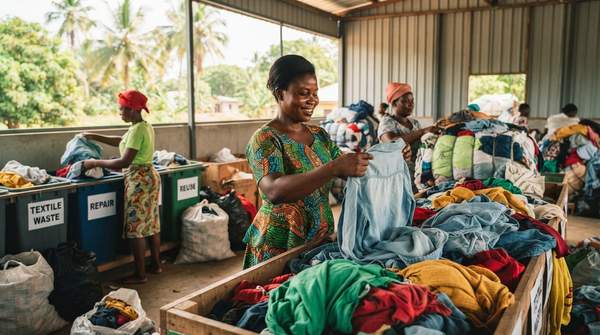

This collective consumer sentiment creates a powerful force, compelling the beverage industry to adapt its packaging strategies to meet evolving environmental expectations. Brands that fail to acknowledge this shift risk losing market share to competitors who prioritize sustainable solutions. The willingness of consumers to bear higher costs for eco-friendly products creates a potential market ceiling for sustainable product pricing, or alternatively, a squeeze on producer margins if costs cannot be fully passed on.

Despite the challenges of implementation, the market signal from consumers is unambiguous: sustainable packaging is no longer a niche preference but a mainstream demand. This unwavering preference for greener options fuels the ongoing evolution of sustainable packaging practices within the beverage sector.

The Regulatory Hammer

Maine recently passed an Extended Producer Responsibility (EPR) bill, which directly impacts beverage brand owners by requiring them to pay fees into a stewardship organization for packaging waste management. Maine's EPR bill shifts the financial burden of waste management from taxpayers to producers, making sustainable packaging design a direct financial imperative for companies, according to bevsource. Similarly, the UK's Plastic Packaging Tax charges £200 per tonne for plastic packaging with less than 30% recycled content, as reported by biofutureadditives.

These regulatory measures are designed to compel companies to adopt more sustainable packaging solutions or face substantial financial penalties. The combined effect of EPR and plastic taxes creates a powerful incentive for the beverage sector to redesign its packaging for better environmental outcomes. These policies aim to foster circularity and reduce reliance on virgin materials, even as the global recycling infrastructure struggles to keep pace.

EPR and plastic taxes demonstrate a policy focus on punitive fees that are largely disconnected from the abysmal 2% global plastic recycling rate. This suggests that while regulations aim to penalize unsustainable practices, the infrastructure to support widespread circularity remains underdeveloped, creating a significant financial burden on producers that may lead to higher consumer prices or slower adoption of truly innovative solutions.

The High Cost of Going Green

Plant-based plastics can cost 20–50% more than their petroleum-based counterparts, presenting a significant financial hurdle for beverage companies aiming for sustainability. The substantial price premium of plant-based plastics directly impacts production costs, forcing brands to balance environmental goals with economic realities. For instance, PLA resin currently trades at approximately $2,000-2,500 per metric ton, according to reliancepak. This contrasts sharply with virgin PET, which costs $1,200-1,500 per metric ton, and PP, priced at $1,000-1,300 per metric ton, also according to reliancepak.

The wide cost disparity between sustainable packaging options indicates that the industry's path to sustainability will likely fragment. Cheaper fiber-based solutions may be favored over direct plastic replacements like bioplastics due to these financial pressures. Beverage companies must either absorb these increased material costs, pass them on to consumers, or find innovative ways to mitigate expenses through efficiency and design.

This cost difference reveals a pragmatic, cost-driven approach to 'sustainability' within the beverage sector. While consumer demand and regulatory pressures push for greener products, the economic realities of material sourcing often dictate the pace and direction of sustainable packaging evolution. The high cost of bioplastics, combined with regulatory taxes, suggests that beverage companies are facing a lose-lose scenario, ultimately hindering genuine sustainable innovation.

Exploring Alternative Materials

Beyond bioplastics, other material options present varying cost profiles and performance characteristics for beverage packaging. Bagasse pulp, for example, costs roughly $800-1,000 per metric ton, according to reliancepak. Similarly, paper pulp prices fluctuate between $600-900 per metric ton, also according to reliancepak. These fiber-based alternatives often offer lower material costs than virgin PET and are significantly more affordable than bioplastics like PLA resin.

While offering potential cost savings, pulp-based alternatives present their own challenges in terms of performance and suitability for various beverage types. Issues such as barrier properties against moisture and oxygen, structural integrity, and shelf-life requirements must be carefully considered. These materials may not be suitable for all applications, particularly for carbonated beverages or products requiring extended shelf life without refrigeration.

The selection of alternative packaging materials requires a careful balance of cost, performance, and environmental impact. This complexity underscores the multifaceted decisions beverage companies face in their sustainability efforts. The industry's trajectory will likely favor cheaper fiber-based solutions where technically feasible, over more expensive direct plastic replacements, indicating a fragmented approach to sustainable material adoption.

Industry Innovations & Market Growth

What are the latest sustainable packaging trends in the beverage industry?

A significant trend involves increasing the use of recycled content in traditional plastics. For example, Coca-Cola India launched a bottle made from 100% rPET (recycled PET) in June 2023, according to fortunebusinessinsights. Coca-Cola India's approach of launching a bottle made from 100% rPET leverages existing recycling streams to reduce reliance on virgin plastic, representing a pragmatic and cost-effective step towards sustainability amidst ongoing challenges.

The Path Forward: Balancing Cost and Conscience

The financial pressures on beverage companies continue to mount, exemplified by escalating packaging taxes. The UK Plastic Packaging Tax, for instance, adds £210.82 per metric ton to plastic packaging containing less than 30% recycled content, according to reliancepak. The £210.82 per metric ton added by the UK Plastic Packaging Tax represents a slight increase from the £200 per tonne reported by biofutureadditives, highlighting the dynamic and often increasing costs associated with non-compliant packaging.

These increasing financial penalties, combined with the substantial 20-50% higher cost of plant-based plastics, mean that beverage companies are facing a difficult choice. They must either absorb increased expenses, pass them on to consumers, or risk regulatory penalties. This situation ultimately hinders genuine sustainable innovation, as economic viability often overshadows the pursuit of truly novel, albeit more expensive, sustainable materials.

The evolution of sustainable packaging in the beverage industry is thus largely driven by economic realities. Genuine innovation is often constrained by high material costs and the slow development of global recycling infrastructure. While consumers express strong willingness to pay more for greener products, the industry's current trajectory indicates a pragmatic lean towards recycled content within existing plastic types rather than a full embrace of more expensive, novel solutions.sustainable materials.

This gap between consumer ideals and market realities suggests that widespread adoption of truly transformative sustainable packaging will remain a significant challenge. By 2026, brands like Coca-Cola will likely continue to expand their rPET initiatives as a primary strategy, given its relative cost-effectiveness and scalability compared to novel bioplastics, underscoring the ongoing balance between environmental responsibility and economic viability.