How to Ferment Foods at Home for Gut Health

While probiotic pills can cost $30 a month, a batch of homemade fermented vegetables can last up to two years in your fridge, offering similar gut benefits for a fraction of the price.

IC
Isabella Cortez

April 16, 2026 · 4 min read

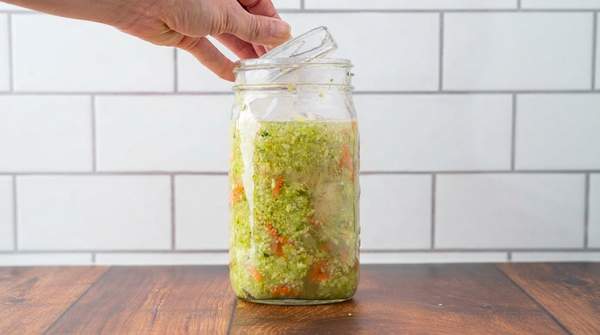
Assortment of vibrant, homemade fermented vegetables in glass jars, showcasing a healthy and cost-effective way to boost gut health with natural probiotics.

While probiotic pills can cost $30 a month, a batch of homemade fermented vegetables can last up to two years in your fridge, offering similar gut benefits for a fraction of the price. A single, carefully prepared batch provides sustained nutritional support, significantly reducing ongoing health expenses. The process transforms simple produce into a vibrant source of beneficial microbes, creating a pantry staple that supports wellness without the hefty price tag.

Many are drawn to home fermentation for its natural appeal and perceived health benefits, yet without strict adherence to scientific safety protocols, it can pose significant health risks. The allure of a 'natural' process often overshadows the precise scientific understanding required to prevent foodborne pathogens from thriving. This tension between natural simplicity and scientific rigor is central to safe home fermentation.

As interest in DIY health solutions grows, the demand for clear, scientifically-backed home fermentation guidelines will become increasingly critical to prevent widespread foodborne illnesses. Understanding the precise conditions necessary for safe fermentation protects both the individual fermenter and the broader community from potential hazards.

Why Ferment at Home?

Beyond cost savings, home fermentation offers a direct path to enhanced nutrient absorption. The fermentation process breaks down vegetables, making their nutrients more available for our bodies to absorb, according to Creative Vegetable Gardener. The food you consume can deliver more of its inherent goodness.

The economic advantage is clear. Probiotic pills often run $30 monthly. Even antibiotics, a staple of conventional medicine, cost six times less, according to Running to the Kitchen. This stark contrast reveals home fermentation as an accessible, cost-effective path to enhanced nutrient absorption and extended food shelf life, directly competing with expensive supplements and even some pharmaceutical options.

The Fermentation Timeline: What to Expect

Fermentation timelines vary widely, creating potential confusion for home fermenters. The fermentation process typically takes anywhere from 4-10 days, according to Running to the Kitchen, while other sources state that most fermentation recipes can be ready in one to three weeks, according to Creative Vegetable Gardener. This significant discrepancy in reported fermentation timelines challenges a fermenter's ability to determine when a product is truly ready and safe, especially if relying solely on taste rather than precise pH measurements.

Fermented vegetables are often considered ready to eat when they reach a desired level of sourness, usually around day 5 or 6, according to Running to the Kitchen. While sensory cues like taste and smell provide indicators, they do not guarantee safety. Understanding these diverse timelines and recognizing sensory cues is important, but this approach must be balanced with scientific precision to ensure safety.

Common Mistakes and Hidden Dangers

Leaving ferments on a kitchen counter, a common practice, is not safe due to fluctuating temperatures. Utah State University Extension unequivocally states that fermenting on your counter is NOT safe as temperatures vary with weather conditions and heating/cooling fluctuations in the home. This exposes a widespread, unacknowledged danger in the pursuit of homemade probiotics.

For fermentation to successfully eliminate all potential pathogens, the pH level must drop below an acidity of 4.6, according to Utah State University Extension. The romanticized image of 'natural' home fermentation is a dangerous myth; this requirement demands a scientific precision that most casual fermenters overlook. Ignoring these environmental controls and critical pH thresholds can render fermented foods unsafe, negating any potential health benefits and introducing risks.

Ensuring Safety: Your pH Meter is Your Best Friend

To guarantee safety, regular pH verification is essential. Foods are not safe from harmful pathogens without pH level verification using a meter or test strip, according to Utah State University Extension. Home fermenters seeking gut health and food preservation for pennies risk their well-being by neglecting this crucial tool.

Specific food types demand even more stringent timing for pH achievement. Dairy products, for instance, must reach a pH of 4.6 or less within 48 hours to be considered pathogen-free, according to Utah State University Extension. Proactive measurement and strict adherence to these specific pH targets are non-negotiable for ensuring the safety and quality of your homemade ferments.

How Long Do Fermented Foods Last?

How should I store fermented foods after preparation?

After fermentation, store all finished products in the refrigerator for safety, according to Utah State University Extension. This cold storage helps to slow down further fermentation and maintain the desired flavor and texture, preserving the food's quality for an extended period.

What ingredients are essential for home fermentation?

For many vegetable ferments, purified water and non-iodized salt are essential ingredients to create the brine, which fosters the growth of beneficial bacteria, according to Running to the Kitchen. Avoiding iodized salt helps ensure the fermentation process proceeds correctly and does not inhibit microbial activity.

What are the easiest fermented foods to make at home?

For beginners, simple vegetable ferments like carrots, asparagus, or green beans offer an accessible entry point to home fermentation, according to Running to the Kitchen. These often require minimal equipment beyond jars and a basic salt brine, making them ideal for learning the process.

The Future of Fermentation: A Call for Citizen Science

Understanding the vast diversity of food microbiomes requires broad data collection, a task citizen science is uniquely positioned to address. This collaborative approach, gathering representative datasets across ecological, cultural, culinary, and health-related diversity, according to Nature, can uncover new insights into how different fermentation practices impact microbial communities. The future of optimizing home fermentation and understanding food microbiomes will increasingly depend on such rigorous citizen science contributions. As of recent reports, initiatives like HealthFerm, mentioned in Nature, are poised to build comprehensive food microbiome datasets, ensuring safer and more effective home fermentation practices for everyone.