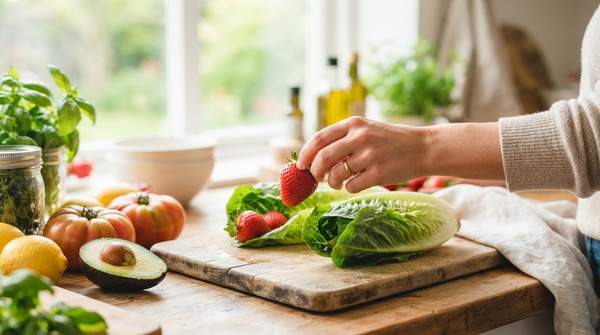
Dramatic shifts in your gut microbiome, profoundly impacting your overall health, can occur within just 24 hours of altering your diet. While achieving optimal gut health might seem like a complex, long-term endeavor, these rapid microbial shifts challenge that perception, demonstrating immediate dietary alterations can significantly influence human physiology and disease processes. Prioritizing a diverse intake of specific gut-friendly foods appears to be one of the most immediate and impactful strategies for improving digestive wellness and mitigating disease risk.
Dietary alterations induce large, temporary microbial shifts within 24 hours, altering bacterial metabolism and affecting human physiology and disease processes, according to Influence of diet on the gut microbiome and implications for human health. This means our food choices directly dictate the health and function of our internal microbial ecosystem. For those facing digestive issues, immediate, targeted dietary changes offer a powerful, accessible first line of defense, bypassing the need for complex, long-term interventions.
Your Gut's Best Friends: Foods That Make a Difference
Specific foods directly benefit gut health through various mechanisms, including providing enzymes, prebiotics, and probiotics. Integrating these common ingredients offers a targeted approach to rapidly enhance your gut microbiome.
Raw Garlic
Best for: Individuals seeking to boost beneficial gut bacteria and improve nutrient absorption.
Raw garlic, rich in inulin, acts as a potent prebiotic, feeding beneficial gut bacteria. It also supplies essential nutrients like manganese, vitamin B6, vitamin C, and selenium, according to Healthline, and supports increased Short Chain Fatty Acid (SCFA) levels, per nutritionsource. This dual action makes it a powerful ally for gut health and nutrient absorption.
Strengths: Strong prebiotic effect; rich in essential nutrients; supports SCFA production. | Limitations: Can cause digestive discomfort in some individuals; strong flavor. | Price: Low
Asparagus
Best for: Those looking to enhance populations of beneficial gut bacteria like Bifidobacteria and Lactobacilli.
Asparagus acts as a prebiotic, its high inulin content feeding beneficial bacteria like bifidobacteria and lactobacilli, according to healthline.com. It also supports increased Short Chain Fatty Acid (SCFA) levels, per nutritionsource. This makes asparagus particularly effective for enhancing key beneficial gut populations.
Strengths: Excellent prebiotic source; specifically feeds key beneficial bacteria; supports SCFA. | Limitations: May not be suitable for individuals with FODMAP sensitivities. | Price: Moderate
Raw Onions
Best for: Individuals desiring a versatile prebiotic food with additional antioxidant benefits.
Raw onions provide prebiotics alongside antioxidants like quercetin, chromium, and vitamin C, according to healthline.com. They also support increased Short Chain Fatty Acid (SCFA) levels, per nutritionsource. This combination offers both gut support and broader health benefits.
Strengths: Good prebiotic source; rich in antioxidants and vitamins; supports SCFA. | Limitations: Strong taste; can cause gas or bloating in sensitive individuals. | Price: Low
Sauerkraut
Best for: Those aiming to introduce probiotics and improve overall digestive regularity.
Sauerkraut, a fermented cabbage, directly introduces beneficial probiotics to the gut. Its high fiber content helps combat bloating and indigestion, according to healthline.com, while the fermentation process itself makes nutrients easier to digest, per goodhousekeeping. This makes it a direct and effective digestive aid.
Strengths: Direct source of probiotics; high fiber content; aids digestion. | Limitations: High sodium content in some varieties; acquired taste. | Price: Moderate
Bananas
Best for: Individuals seeking a gentle prebiotic and fiber source for improved stool consistency.
Bananas offer inulin, a prebiotic soluble fiber that feeds beneficial gut bacteria, according to goodhousekeeping. They can also improve stool consistency, potentially relieving both constipation and diarrhea, according to crohnscolitisfoundation, and support increased Short Chain Fatty Acid (SCFA) levels, per nutritionsource. This makes bananas a gentle yet effective digestive regulator.
Strengths: Gentle prebiotic; good source of soluble fiber; improves digestive regularity; supports SCFA. | Limitations: High sugar content if very ripe. | Price: Low
Lentils
Best for: Enhancing gut microbiome health through resistant starches.
Lentils are rich in resistant starches, which act like a prebiotic to feed good bacteria in the gut, supporting the gut microbiome, according to goodhousekeeping.
Strengths: Excellent source of resistant starch; feeds beneficial gut bacteria; high in protein and fiber. | Limitations: Can cause gas if not introduced gradually. | Price: Low
Bulgur Wheat
Best for: Individuals looking for a high-fiber grain to promote beneficial gut bacteria.
Bulgur wheat contains high resistant starch that acts as a prebiotic to promote beneficial bacteria in the gut microbiome, according to goodhousekeeping.
Strengths: High resistant starch content; promotes beneficial bacteria; versatile grain. | Limitations: Contains gluten. | Price: Low
Oats
Best for: Sustaining energy levels and promoting fullness with soluble fiber.
Oats are packed with beta-glucans, a type of soluble fiber that forms a gel-like substance, which helps keep energy levels stable and promotes fullness, according to goodhousekeeping.
Strengths: Rich in soluble fiber (beta-glucans); aids satiety; supports stable energy. | Limitations: Some people may have oat sensitivities. | Price: Low
Black Beans
Best for: Boosting daily fiber intake for overall digestive health.
One cup of cooked black beans contains about 15 grams of fiber, according to goodhousekeeping.
Strengths: High fiber content; supports digestive regularity; versatile. | Limitations: Can cause gas and bloating for some. | Price: Low
Leeks
Best for: Supporting the production of crucial Short Chain Fatty Acids (SCFA) in the gut.
Leeks support increased levels of Short Chain Fatty Acids (SCFA), according to nutritionsource.
Strengths: Promotes SCFA production; mild flavor. | Limitations: Can be challenging to clean; may cause bloating in sensitive individuals. | Price: Moderate
Jerusalem Artichokes
Best for: Directly contributing to the synthesis of beneficial Short Chain Fatty Acids.
Jerusalem artichokes support increased levels of Short Chain Fatty Acids (SCFA), according to nutritionsource.
Strengths: Strong SCFA promoter; rich in inulin. | Limitations: Known for causing significant gas and bloating in many individuals. | Price: Moderate
Pineapple
Best for: Aiding protein digestion and reducing inflammation in the digestive tract.
Pineapple contains the enzyme bromelain, which aids digestion by breaking down protein and may counter pain and inflammation, according to healthline.com.
Strengths: Contains digestive enzymes; anti-inflammatory properties. | Limitations: High sugar content; may cause mouth irritation in some. | Price: Moderate