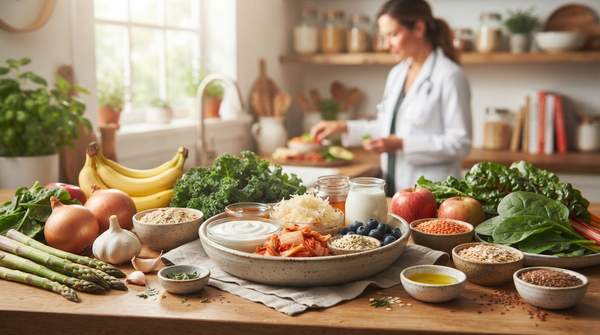
If you want to support your gut microbiome through diet, the expert-backed answer is refreshingly simple: eat both probiotic foods, which add live beneficial bacteria to your digestive tract, and prebiotic foods, which feed the bacteria already living there. Gastroenterologists and health authorities point to the same short list of foods in each category—yogurt, kefir, kimchi, sauerkraut and kombucha on the probiotic side; garlic, onions, bananas, asparagus and whole grains on the prebiotic side—while cautioning that fatty, fried and spicy foods can trigger digestive discomfort for some people.
Understanding Your Gut: A Gastroenterologist's Perspective
Your gastrointestinal tract hosts a collection of bacteria known as the microbiome, and keeping it balanced is a recurring theme in gastroenterology guidance. Kibinesh Fulas, writing for Austin Gastroenterology, describes probiotics as live microorganisms that can help balance the bacteria in your digestive tract and support a healthy microbiome. The framing matters: this is not about one miracle food, but about a pattern of eating.
Gastroenterologists also emphasize that food is only part of the picture. Dr. Christopher Damman, a UW Medicine gastroenterologist, distills gut health into four pillars he calls the "four M's": molecules, microbes, movement and mind. "The food is the molecules piece," he explained, noting that exercise, sleep and mindfulness also matter. Kaiser Permanente's Dr. Margaret Schwiesow, a board-certified gastroenterologist, similarly covers everything from fiber-rich vegetables to probiotic-packed superfoods when discussing how to build a diet that supports digestion and a balanced microbiome.
Probiotics: The 'Good' Bacteria for Your Gut
Probiotics are live microorganisms—often called "friendly bacteria" by the NHS—that are also found naturally in the gut. According to Austin Gastroenterology, they survive stomach acid and bile and make it all the way to the colon, where they can help balance the bacteria in your digestive tract. Fermented foods introduce these live bacteria to your intestines, promoting enough good bacteria to keep the microbiome in balance.
The specific foods named across sources overlap heavily: yogurt, kefir, kimchi, sauerkraut, kombucha, tempeh, miso, pickled vegetables and sourdough bread. A scientific review published through PMC adds that these foods contain live beneficial bacteria that can support gut health by enhancing microbial diversity and function. One practical tip from the guidance: look for yogurt, kefir and other fermented foods without added sugar. The NHS also notes there is some evidence probiotics may help with irritable bowel syndrome, though little evidence supports some other health claims made about them.
Prebiotics: Fueling Your Gut Microbiome
Prebiotics work differently. They are indigestible fibers that serve as food for the beneficial bacteria already in your gut, helping those bacteria grow and thrive. Where probiotics deliver new bacteria, prebiotics feed the residents you already have—and a balance of both is what helps improve and maintain your gut's beneficial bacteria.
Expert-endorsed examples include garlic, onions, bananas, asparagus and whole grains, all of which are sources of dietary fiber. Fiber does double duty: it promotes regular bowel movements and feeds beneficial gut bacteria, according to the PMC-published review. That is why prebiotic-rich vegetables and whole grains anchor most gastroenterologist-led food guidance, including the fiber-rich vegetables highlighted in Kaiser Permanente's gut health discussion.
Probiotics vs. Prebiotics: Your Gut Health Food Guide
The table below classifies expert-recommended foods into their two functional categories and contrasts how each acts on the gut microbiome, so you can pick examples from both columns when planning meals.
| Food Category | Role in Gut Health | Specific Food Examples |
|---|---|---|
| Probiotic foods | Live microorganisms, often called "friendly bacteria," that survive digestion and help balance bacteria in the digestive tract, supporting a healthy microbiome and microbial diversity. | Yogurt, kefir, kimchi, sauerkraut, kombucha, tempeh, miso, pickled vegetables, sourdough bread. Look for fermented foods without added sugar. |
| Prebiotic foods | Indigestible fibers that serve as food for the beneficial bacteria already in your gut, helping them grow and thrive while promoting regularity. | Garlic, onions, bananas, asparagus, whole grains, and other fiber-rich vegetables. |
Reading the two rows side by side makes the distinction concrete: probiotics add live bacteria to your intestines, while prebiotics feed the good bacteria already there. Neither replaces the other, which is why the guidance consistently recommends both.
The Gut-Brain Connection: Beyond Digestion
Your dietary choices may influence more than digestion. The PMC-published review notes ongoing research into specific probiotic strains with targeted impacts on gut health and overall well-being, and the same review links dietary patterns to inflammatory and age-related diseases. The gut-brain axis is an active research area rather than a settled prescription, so treat mental-wellbeing benefits as a promising direction, not a guarantee.
Practical guidance reflects this emerging picture. Dr. Drew Ramsey, an assistant clinical professor of psychiatry at Columbia University College of Physicians and Surgeons, suggests making smoothies with kefir combined with bananas and blueberries—a single food choice that pairs a probiotic with prebiotic fiber. It is a small illustration of how meals can serve both gut and mind.
Foods to Approach with Caution for Digestive Comfort
Not every food supports digestive comfort. The NHS advises that fatty foods such as chips, burgers and fried foods are harder to digest and can cause stomach pain and heartburn, and recommends cutting back on greasy fried foods, choosing lean meat and fish, and grilling rather than frying. Spicy food is more individual: many people enjoy it without trouble, while others find it upsets their stomach. Notably, it is not just scorching-hot foods like chillies that can trigger heartburn—milder but flavourful foods like garlic and onion can also bring it on for some people.
The PMC-published review adds a broader caution about diets high in calories but low in nutrients, with low fiber content and excessive consumption of added sugars and harmful fats, which have a detrimental impact on health. The key qualification is that these effects apply to some individuals and to excessive consumption—not a universal prohibition on any single food.
Building a Gut-Friendly Diet: Practical Steps
Putting it together, the expert-backed approach is a diverse diet that regularly includes fermented foods without added sugar alongside fiber-rich vegetables, fruits and whole grains. A kefir smoothie with bananas and blueberries, yogurt with garlic-forward savory dishes, or kimchi alongside whole grains all combine both categories in one meal. Staying hydrated supports the fiber's work, with the review suggesting at least eight cups of water per day.
Keep the boundaries in mind. This guidance is for general gut health in adults; it does not address specific diagnosed conditions like IBS or Crohn's disease, children, pregnant individuals or those with weakened immune systems—the NHS advises anyone with an existing health condition or weakened immune system to talk to a doctor before taking probiotic supplements. No specific supplement brands or dosages are recommended here, and this is not a complete meal plan.
Your Action Plan for a Healthier Gut
Prioritize a diverse diet rich in both probiotic and prebiotic foods, while being mindful of individual sensitivities to fatty, spicy, or highly processed items. The measurable indicator to watch is improved digestive comfort, regularity, and a noticeable positive impact on overall well-being, including mood. If you try adding probiotic foods daily, the NHS suggests giving them at least four weeks before judging whether they work for you—a concrete checkpoint for your own experiment.
Sources
- Good foods to help your digestion — NHS
- Gut Health: Eating And Lifestyle Tips From A Gastroenterologist — Austin Gastroenterology
- Gastroenterologist's checklist for a healthy gut - UW Medicine — UW Medicine | Newsroom
- Video — Mydoctor
- Elucidating the role of diet in maintaining gut health to reduce the… — PMC