Have you ever wondered what truly shapes a long, healthy life? While many of us assume our genetic lottery ticket dictates our destiny, the science behind longevity and daily health habits tells a far more empowering story. It turns out that while genetics play a role, they only account for approximately 25% of the variation in the human lifespan. The other 75%? That's largely influenced by our lifestyle and environment, the very things we have the power to shape each and every day. This isn't just a hopeful idea; it's a scientific reality that invites us to become active participants in our own well-being.
For decades, we’ve seen life expectancy rise, climbing from just 47 years in 1900 to around 77.5 for those born in the U.S. in 2022, according to Harvard Health Publishing. This incredible progress isn't just due to medical breakthroughs, but also to a growing understanding of how our daily routines—what we eat, how we move, and how we manage stress—profoundly impact not just how long we live, but how well we live. Let's explore how you can harness this knowledge, not through drastic overhauls, but through small, compassionate, and consistent choices that nurture a vibrant life for years to come.
What Are Longevity and Healthspan?
Longevity is the term we use to describe a long duration of life, or simply, your lifespan. It’s the total number of years you live. Healthspan, however, is a concept that adds a crucial layer of meaning to longevity. Healthspan is the period of your life during which you are healthy, vibrant, and free from debilitating chronic disease. Think of it this way: if your life is a road trip, longevity is the total mileage you cover from start to finish. Healthspan is the portion of that journey where the car is running smoothly, the sun is shining, and you’re fully able to enjoy the view. The ultimate goal of a wellness-focused life isn't just to extend the trip, but to make the smooth, enjoyable part of the drive last as long as possible.
When we focus only on lifespan, we miss the bigger picture. A long life filled with chronic pain, cognitive decline, or limited mobility isn't what most of us envision for our later years. By shifting our focus to extending our healthspan, we prioritize quality of life. The beautiful part is that the very habits that extend your healthspan are often the same ones that increase your chances of a longer lifespan. You aren't choosing one over the other; you're investing in a future where your years are defined by vitality, not just by number. This approach empowers you to think about health as a resource to be cultivated daily, allowing you to remain active, engaged, and independent for as long as possible.

The Scientific Principles of Longevity: Your Genes Are Not Your Destiny
The conversation around longevity often begins with genetics. It’s common to hear people say, “My grandmother lived to be 95, so I have good genes,” or conversely, to worry about a family history of a certain illness. And while our DNA certainly provides the foundational blueprint for our bodies, its influence is far from absolute. Multiple sources, including health experts at One Medical, confirm that genetics determine about 25% of the variation in how long we live. This is a significant piece of the puzzle, but it leaves a vast 75% that is shaped by lifestyle and environmental factors—the choices you make every single day.
This is where the fascinating field of epigenetics comes into play. You can think of your DNA as a complex cookbook filled with recipes for building and running your body. Epigenetics, then, acts like a set of sticky notes and highlights that tell the chef which recipes to use, which to ignore, and how often to make a particular dish. Your lifestyle choices—the food you eat, the exercise you get, the sleep you prioritize, and the stress you manage—are the "pen" that writes on these notes. Healthy habits can essentially tell your genes to express themselves in ways that promote health and suppress disease, while unhealthy habits can do the opposite.
This understanding completely reframes the nature-versus-nurture debate. It’s not one or the other; it’s a dynamic partnership. Your genes might create a predisposition for a certain condition, but your lifestyle can significantly influence whether that predisposition ever becomes a reality. This knowledge is incredibly empowering. It means that you are not a passive passenger on a journey predetermined by your DNA. You are the co-pilot, with your hands on many of the controls that guide your health trajectory. Remember to honor your body's needs; each positive choice you make is a powerful message sent directly to your cells.
How Small Lifestyle Changes Impact Healthspan
Knowing that you have significant influence over your healthspan is one thing; knowing what to do with that information is another. The good news is that the most impactful changes are not about perfection or extreme measures. They are about consistency and creating gentle, sustainable patterns in a few key areas of your life. Let's explore the science behind longevity and daily health habits that research suggests can make the biggest difference.
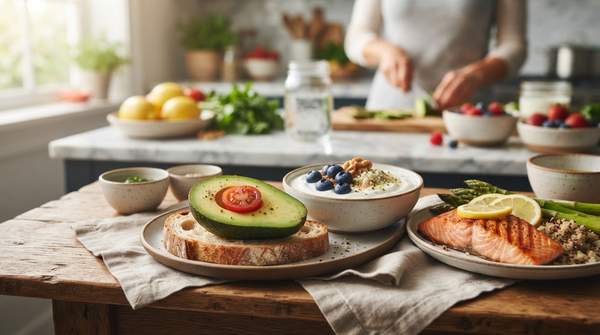
- Nourish Your Body with Intention: What you eat is a cornerstone of longevity. A diet centered on whole foods—fruits, vegetables, lean proteins, and whole grains—provides the vitamins, minerals, and antioxidants your body needs to combat cellular damage and inflammation, which are key drivers of aging. The evidence for this is compelling. For instance, a study published in JAMA Network Open and highlighted by Harvard Health found that women who closely followed a plant-heavy Mediterranean diet were 23% less likely to die from any cause. This style of eating isn’t about restriction; it’s about abundance, focusing on healthy fats, fiber, and a colorful variety of plants that support everything from heart health to cognitive function. You might also consider how your diet supports your gut, as a healthy microbiome is increasingly linked to overall immunity and well-being.
- Embrace Consistent Movement: Physical activity is one of the most powerful tools for extending healthspan. It helps manage weight, strengthens your heart and lungs, improves mental wellness, and dramatically reduces the risk of numerous chronic diseases. The World Health Organization, as cited by DVC Stem, recommends at least 150 minutes of moderate-intensity activity (like brisk walking or cycling) or 75 minutes of vigorous-intensity activity per week. But you don't have to become a marathon runner to reap the benefits. Even small amounts of regular movement can extend your lifespan. The key is finding activities you genuinely enjoy, whether it's dancing, gardening, hiking, or swimming. This makes it a joyful part of your routine rather than a chore.
- Avoid Harmful Substances: Some of the most significant gains in longevity come from what you choose not to do. According to One Medical, smoking is the leading cause of preventable death in the United States and is linked to disease in nearly every organ. Smokers, on average, die nearly 10 years earlier than non-smokers. The data also offers incredible hope: quitting before the age of 40 has been found to reduce the risk of death from a smoking-related disease by about 90%. Similarly, limiting alcohol consumption can prevent a host of health issues that shorten both lifespan and healthspan.
- Prioritize Rest and Connection: The pillars of a long, healthy life aren't just physical. Adequate sleep is when your body performs critical repair and restoration processes. Strong social connections provide emotional resilience and have been linked to a lower risk of mortality. Chronic stress, on the other hand, can accelerate the aging process. Building practices like mindfulness, spending time in nature, and nurturing your relationships are not indulgences; they are essential health habits.
Why This Science Matters for Your Daily Life
Reading about studies and statistics can feel abstract, but the implications of this science are deeply personal. It’s about the quality of your tomorrows being shaped by the small kindnesses you show your body today. I remember watching my grandfather in his garden well into his late eighties. He wasn't a biohacker or a health fanatic; he simply lived a life of purpose and consistency. He ate the vegetables he grew, walked every day, and was surrounded by family. He wasn't trying to "live longer"—he was just living well, and the longevity was a natural result.
His example taught me that wellness isn't a destination you arrive at after a grueling journey of deprivation. It’s a practice of presence and self-compassion. It’s choosing the stairs instead of the elevator, adding a handful of spinach to your smoothie, or calling a friend when you feel lonely. These aren't grand, heroic acts. They are small, quiet choices that accumulate over time, building a powerful foundation for a vibrant future. Consider this gentle shift in perspective: instead of viewing healthy habits as rules you must follow, see them as acts of love for your future self. Each nourishing meal, each walk outside, and each good night's sleep is a gift you are giving to the person you will be in ten, twenty, or fifty years.
Frequently Asked Questions
How much do genes really affect my lifespan?
While genetics are part of the story, they are not the whole story. Current scientific understanding suggests that genetics account for approximately 25% of the variation in human lifespan. This means the majority, about 75%, is influenced by your lifestyle choices, environment, and other non-genetic factors, giving you significant agency over your long-term health.
What is the single most impactful lifestyle change for longevity?
It's difficult to name just one, as the effects are cumulative, but avoiding smoking is a major contender. According to data from One Medical, quitting smoking can add as much as a decade to your life. Regular physical activity is also incredibly powerful, with some reports suggesting it can lower the risk of early death by a significant margin. The best approach is a holistic one, but if you smoke, quitting is one of the most profound gifts you can give your health.
Is it too late to make changes if I'm older?
Absolutely not. It is never too late to adopt healthier habits. While starting early is beneficial, your body has a remarkable capacity for healing and adaptation at any age. Studies show that quitting smoking, improving your diet, and increasing physical activity provide substantial health benefits even when started in your 40s, 50s, and beyond. Every positive change, no matter when you make it, can contribute to a better quality of life.
Do I need to follow a super strict diet to live longer?
Perfection isn't the goal; a consistent pattern of healthy eating is what matters most. Research, such as the study on the Mediterranean diet, shows that a dietary pattern rich in plants, healthy fats, and whole grains is highly effective. It’s less about being perfectly "clean" all the time and more about ensuring your meals are predominantly nourishing, colorful, and balanced. A little flexibility makes a healthy lifestyle sustainable and enjoyable for the long haul.
The Bottom Line
The science of longevity is clear: while our genes lay the foundation, the daily choices we make are what build the house we live in for a lifetime. The power to cultivate a long, vibrant, and healthy life rests firmly in our hands. Remember to honor your body's needs with small, consistent acts of care, because each one is a meaningful step toward a healthier future.