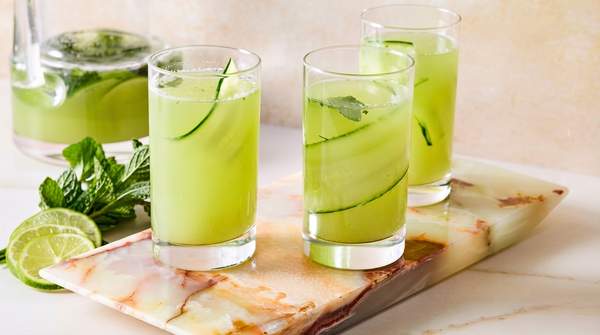
Alcoholic ready-to-drink (RTD) beverage sales in Australia's on-trade have grown by over a third in two years, making RTDs the third-largest and fastest-growing on-premise category by value.
This surge is more than a fleeting trend; it signals a fundamental shift in consumer drinking habits, where convenience, variety, and quality are increasingly prioritized. As venues grapple with challenging economic conditions, the resilience of the broader cocktail category and the rapid ascent of pre-mixed options are reshaping revenue streams and brand strategies. This evolution is happening globally, highlighted by recent accolades for Nairobi's Hero Bar at the 2025 World’s 50 Best Bars, which underscores the innovative spirit driving the on-premise market forward, from established scenes to emerging cultural hubs.
What We Know So Far
- Sales of alcoholic ready-to-drink (RTD) beverages in Australia's on-premise venues have increased by more than a third in just two years, according to data from NielsenIQ reported by drinksint.com.
- The RTD category generated AU$2.5 billion in spending in 2025, a 35% increase compared to 2023, and now commands 15 cents of every dollar spent on drinks in Australian on-trade venues.
- Younger adults, aged 18 to 34, are the primary drivers of this growth, accounting for nearly half (46%) of all RTD consumers in the country.
- Globally, cocktails are showing significant resilience, with one in three consumers in France now ordering them and one in three young adults in Britain engaging with the category weekly, according to nielseniq.com.
- Innovation in cocktail culture is being recognized worldwide, with Nairobi's Hero Bar recently named the best bar in Africa at the 2025 World’s 50 Best Bars.
- Collaborative events are also gaining traction, such as the inaugural Kenya Bartender Week, launched by Hero Bar, which is set to return this August.
Why Are Pre-Mixed Cocktail Sales Surging?
The remarkable growth of the RTD category in Australia points to a confluence of factors that are redefining what consumers expect from a drinking experience. According to a report from drinksint.com, RTDs generated AU$2.5 billion of spending in 2025, which represents a 12% jump from 2024 and a massive 35% increase from 2023. This has cemented RTDs as the third-largest on-premise category by value, and crucially, the fastest growing. The data reveals that RTDs now attract 15 cents of every dollar spent on drinks in Australian bars and restaurants, up from 12 cents in 2023. This isn't just growth; it's a significant reallocation of consumer spending.
At the heart of this surge are changing consumer priorities. "The RTD category is one of the hottest parts of Australia’s on-premise at the moment," one analyst noted. "From price to convenience to refreshment and much more, RTDs tick a lot of boxes for consumers." This multi-faceted appeal is key. For patrons, RTDs offer consistency and speed of service, eliminating the wait time for a hand-mixed drink during peak hours. For venues, they provide a high-margin product that requires minimal staff training and ensures quality control, which is vital in a tight labor market. The demographic data is particularly telling: younger adults aged 18 to 34 make up 46% of RTD consumers, a generation that values novel flavors and convenient formats. This demographic's influence is likely to sustain the category's momentum, suggesting we will "see more growth throughout 2026."
Australian On-Premise RTD Market Growth
| Year | Reported Spending | Growth from 2023 |
|---|---|---|
| 2023 | ~AU$1.85 billion | - |
| 2024 | ~AU$2.23 billion | +20.5% |
| 2025 | AU$2.5 billion | +35% |
How Is the On-Premise Cocktail Market Evolving?
While the RTD boom is a headline story, it's part of a larger, more nuanced evolution in the global on-premise cocktail market. Far from being cannibalized by their pre-mixed cousins, traditional cocktails are demonstrating impressive resilience and are a critical tool for venues to support revenues. According to NielsenIQ, this trend is visible across mature markets. In France, one in three consumers now orders cocktails when out. In Britain, engagement among 18-to-34-year-olds has climbed significantly, with one in three in this age group enjoying a cocktail once or twice a week—a nine-percentage-point increase from the previous year. This suggests a deepening of cocktail culture, where it becomes a regular part of social outings rather than a special-occasion treat. Consumers are becoming more adventurous, a trend that can be seen in our recent guide to underrated cocktails to try in 2026.
This evolution is not just about frequency but also about innovation and cultural exchange. In the United States, the Margarita remains the undisputed champion, beloved across all age groups. Yet, new flavor profiles are constantly emerging. A recent video from msn.com showed two British rappers exploring unique Korean fusion cocktails, including drinks made with soju and featuring ingredients like green grape candy. Their positive reaction to the creativity and presentation highlights a global appetite for novel drinking experiences that blend tradition with modern flair. This cross-pollination of ideas is pushing the boundaries of mixology and creating exciting new opportunities for bars and brands.
Nairobi's Hero Bar, crowned the best bar in Africa, exemplifies the evolution of emerging cocktail markets. Before its 2019 launch, Nairobi's cocktail scene was limited to "basically mixing soft drinks or juices with alcohol," as founders recalled. Hero Bar opened to "change the culture in Nairobi and introduce something new," building success on creativity and local ingredients. This cultivated a world-class cocktail culture, transforming the local hospitality landscape and meeting a global desire for authentic, high-quality cocktail experiences.
What Happens Next
Continued growth and innovation in cocktail and RTD markets will intensify competition. An industry expert cautioned, "in an increasingly competitive space, all brands and venues will have to work hard to stand out from the crowd." RTD brands must move beyond simple flavor profiles, investing in premium ingredients and complex, cocktail-inspired formulations, aligning with the broader functional beverages market.
On-premise venues must create unique experiences, fostering community and celebrating mixology craft, to differentiate from pre-mixed offerings. Kenya Bartender Week, a cocktail festival by Hero Bar and Hanna Lee Communications, exemplifies this. First held last September, the event returns this August, galvanizing Nairobi's cocktail scene and modeling for other emerging markets.
Unanswered questions persist: Will RTD growth slow with market maturity or accelerate as more consumers embrace the format? How will traditional spirits brands adapt on-premise strategies to coexist with and capitalize on the RTD trend? What new cross-cultural cocktail fusions will emerge as global tastes converge? The beverage industry's evolution hinges on these developments.