Drinks

US Alcohol Sales Decline as Consumers Shift to RTDs, Non-Alcoholics

New data reveals a significant decline in U.S. alcohol sales for March, signaling a major consumer shift towards ready-to-drink (RTD) and non-alcoholic beverages driven by wellness and convenience.

DM
Daniel Moretti

April 8, 2026 · 6 min read

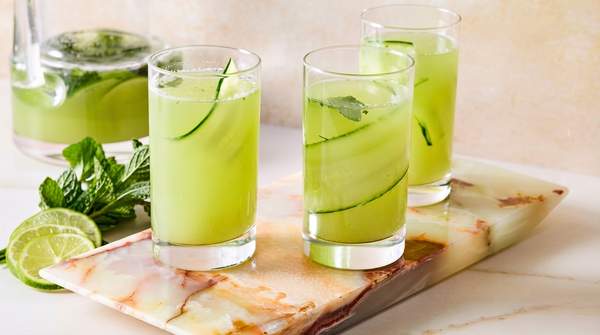
A diverse group of young adults enjoying modern RTD cocktails and sophisticated non-alcoholic drinks in a trendy, well-lit bar, symbolizing the significant shift in US beverage consumption habits.

U.S. alcohol sales experienced a notable volume decline in March, according to new industry data, as American consumers increasingly pivot towards ready-to-drink (RTD) and non-alcoholic beverage options.

American drinking habits are significantly evolving, challenging legacy beer, wine, and spirits brands while creating massive opportunities for innovators in the convenience and wellness sectors. This deeper shift in how, when, and what Americans choose to drink reflects economic pressures and a growing emphasis on health. This market development is a key component of the recent US economic decline news and analysis within the multi-billion dollar beverage industry, forcing established companies to rethink product portfolios and marketing strategies to stay relevant.

What We Know So Far

  • Total U.S. alcohol sales volume reportedly fell by 3.8% in March 2024 compared to the same period last year, according to data from NielsenIQ.
  • The ready-to-drink (RTD) category, which includes canned cocktails and hard seltzers, saw its sales volume grow by 12.4% during the same period, according to market research firm IWSR Drinks Market Analysis.
  • Sales in the non-alcoholic beverage segment surged by 22.6%, with significant growth in functional and wellness-focused drinks, as reported by the Beverage Marketing Corporation (BMC).
  • The decline was most pronounced in traditional categories, with beer volume down a reported 5.2% and wine volume decreasing by 4.5%, while spirits saw a more modest contraction of 1.9%, per NielsenIQ data.
  • This consumer pivot is not exclusive to the United States; the IWSR also projects that Japan's highly mature RTD market will continue to expand, offering a potential roadmap for innovation and market saturation in the West.

Causes of the Recent US Economic Decline in Alcohol Sales

A powerful wellness movement is driving the downturn in traditional alcohol segments, leading consumers to scrutinize ingredients and alcohol content. This trend, accelerating over the past few years, has given rise to the "sober curious" and "mindful drinking" ethos, particularly among Millennial and Gen Z demographics. This shift reflects a complex interplay of cultural values, economic realities, and redefined social occasions.

Dr. Emily Carter, a consumer behavior analyst at Georgetown University, notes that this is a fundamental re-evaluation of alcohol's role in society. "We're seeing a fundamental re-evaluation of alcohol's role in daily life," Dr. Carter explained. "The modern consumer prioritizes wellness, control, and convenience. Non-alcoholic options and portable RTDs fit perfectly into this new paradigm, while a traditional bottle of wine feels less suited for a casual Tuesday night." This desire for control and well-being is increasingly supported by technology, as consumers use personal health data from wearables to make more informed dietary choices, a trend explored in our look at how AI and wearables are building your personal health blueprint.

Persistent inflation is causing consumers to reconsider high-end purchases, despite premiumization driving growth for years. A $15 four-pack of a craft RTD cocktail, for example, feels more accessible and versatile than a $40 bottle of whiskey for at-home consumption. The convenience of RTDs—eliminating mixers, tools, and expertise while offering consistent, high-quality, portable experiences—has propelled this "grab-and-go" category from a niche summer beverage to a year-round staple for a broad range of consumers.

How the Shift to RTDs and Non-Alcoholics Impacts Beverage Brands

Traditional beer and wine producers face significant headwinds due to consumer migration, disrupting decades-old business models reliant on established brand loyalty and consumption habits. They are now racing to innovate, launching their own RTD and non-alcoholic line extensions or acquiring agile startups capturing market share. The challenge: maintaining brand authenticity while venturing into these new, dynamic categories.

The RTD and non-alcoholic spaces are experiencing explosive growth, attracting a flood of new entrants from established spirits giants and independent entrepreneurs. Success hinges on rapid innovation in flavor, format, and function. At the recent Mash Madness drink competition, brands experimented with exotic fruit combinations, botanical infusions, and functional ingredients like adaptogens and nootropics to stand out. Competition is fierce, but rewards are substantial for brands capturing the consumer's evolving palate.

"The U.S. is following a pattern we've seen emerge globally," said Sarah Jenkins, a senior analyst at IWSR Drinks Market Analysis. "The blurring of lines between categories is accelerating." Japan's market, where convenience store shelves are dominated by a vast array of Chūhai and highball RTDs, offers a compelling glimpse: it's a strong indicator of where the U.S. market is heading. This suggests a future where category distinctions matter less than a beverage's occasion, flavor, and functional benefit.

Beverage CategoryYear-over-Year Volume Change (March 2024)Key Driver(s)
Beer-5.2%Competition from RTDs, shifting taste preferences
Wine-4.5%Lower consumption frequency, economic pressures
Spirits-1.9%Slowdown in at-home cocktail making, premiumization fatigue
Ready-to-Drink (RTD)+12.4%Convenience, flavor innovation, spirits-based options
Non-Alcoholic+22.6%Wellness trend, "sober curious" movement, improved quality

Future Outlook for the US Beverage Market

The trends observed in March are expected to solidify. Forecasters at IWSR and the Beverage Marketing Corporation project continued, though perhaps more moderate, growth for RTD and non-alcoholic categories through the year. The key future theme: "blurring of categories." Major soft drink companies now launch alcoholic RTDs; large breweries and distilleries, conversely, invest heavily in sophisticated non-alcoholic beers, wines, and spirits mimicking traditional counterparts. This is already happening.

Innovation will drive future growth, pushing boundaries with more complex flavor profiles, functional health benefits, and sustainable packaging. My local beverage store physically manifests this shift: shelf space once dominated by domestic lager six-packs is now a vibrant, colorful mosaic of canned cocktails, hard kombuchas, and non-alcoholic IPAs. This visual evidence underscores the data: consumer choice is expanding, broadening and making more inclusive the definition of a "drink" for a social occasion.

For consumers, this evolution is overwhelmingly positive, offering an unprecedented array of options to suit any mood, occasion, or dietary preference. For the industry, it represents a pivotal moment of transformation. The companies that thrive will be those that listen closely to their customers, embrace flexibility, and are not afraid to innovate beyond their traditional comfort zones. The beverage landscape of the next five years will likely look vastly different from that of the past five, shaped by a new generation of drinkers with a new set of priorities.

What We Know About Next Steps

Industry stakeholders and market watchers will be closely monitoring upcoming data releases for further confirmation of these trends. NielsenIQ is scheduled to release its comprehensive beverage market analysis for the second quarter of 2024 in late July, which will provide a clearer picture of whether the March decline in traditional alcohol was an anomaly or the start of a sustained trend. Furthermore, the IWSR has announced its intention to publish a deep-dive report on the global non-alcoholic spirits market, with an expected release in the third quarter. This report is anticipated to offer detailed forecasts and insights into one of the fastest-growing sub-segments of the beverage industry.