Drinks

Spritz-Style Drinks See Rising Popularity on Spring Menus

As warm weather returns, spritz-style drinks are taking over patios and social gatherings. We explore the data-backed trend and the innovative new brands shaking up the classic cocktail.

DM
Daniel Moretti

April 2, 2026 · 5 min read

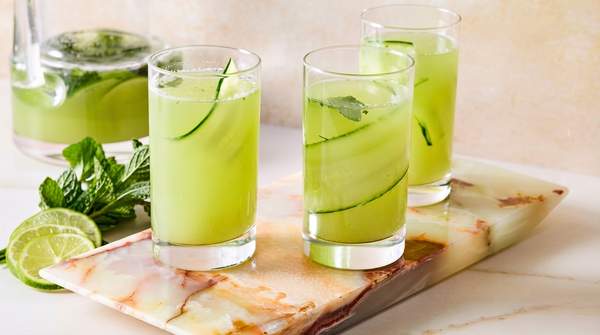
People on a sunny patio enjoying various spritz-style drinks with vibrant colors and fresh garnishes, symbolizing the rising popularity of these refreshing beverages on spring menus.

Spritz-style drinks are a staple on spring menus and for social gatherings across the country, increasingly featured on patios as warmer weather returns to outdoor dining.

Consumer demand for refreshing, visually appealing, and sessionable beverages has prompted established and new brands to innovate and expand their offerings. The spritz category's global momentum and commercial potential are underscored by functional beverage brand Chill Spritz entering the United Kingdom market, extending its reach beyond traditional alcoholic aperitifs.

What We Know So Far

  • Warm afternoons are a primary driver for the rising popularity of spritz-style drinks on spring menus, according to multiple reports from outlets including wyomingnewsnow.tv.
  • The National Restaurant Association’s What’s Hot 2025 Culinary Forecast ranked "creative spritzes" as the No. 2 trending beverage alcohol item, signaling strong industry confidence.
  • Consumer behavior supports the trend, with an OpenTable report cited by WFMZ-TV indicating that 55% of Americans prefer to dine outdoors when the weather is nice.
  • Market data from the International Wine and Spirits Record (IWSR) showed that volumes of premium-priced bitters and spirit aperitifs in the U.S. grew at an 18% compound annual rate between 2018 and 2023.
  • The category is expanding beyond alcohol, with brands like Chill Spritz, a functional non-alcoholic beverage, announcing its entry into the UK market.
  • Ready-to-drink options are also growing, as Saint Spritz is reportedly expanding its distribution into major supermarket chains like Publix, according to Brewbound.

Why Spritz Drinks Are Dominating Spring Menus

The spritz is ideally suited for outdoor dining, aligning with consumer preference, seasonal timing, and operational efficiency for bars and restaurants. As temperatures rise, diners gravitate towards outdoor seating; OpenTable found a majority of Americans prefer al fresco dining in pleasant weather. Its characteristic effervescence and bright profile make it a perfect lighter, more refreshing cocktail for this setting.

This consumer pull is reinforced by strong industry recognition. The National Restaurant Association's placement of creative spritzes near the top of its 2025 forecast is a clear indicator that beverage directors and hospitality leaders view the category as a key driver of sales. This isn't just about the classic Aperol Spritz; the forecast emphasizes "creative" variations, pointing to a broader trend of experimentation with different bitters, liqueurs, and garnishes. The underlying growth in the aperitif category, confirmed by the IWSR's report of an 18% compound annual growth rate for premium bitters and spirit aperitifs over five years, provides a solid foundation for this trend, showing that consumer palates have been primed for these flavor profiles for some time.

Spritz-style drinks offer busy establishments a distinct operational advantage: they are quick to assemble and easy for staff to carry, making them highly efficient for servicing crowded patios and outdoor spaces, as noted by The Anniston Star. This combination of high consumer appeal and ease of service makes the spritz a profitable and practical addition to any spring or summer menu.

Beyond Aperol: Exploring New Spritz Variations

Beyond the iconic Aperol Spritz, the spritz category is rapidly diversifying to meet a wider range of consumer wellness and lifestyle demands. This evolution moves the spritz far beyond its traditional alcoholic roots, creating new sub-categories in the functional, non-alcoholic, and cannabis-infused beverage markets.

One prominent area of innovation is in the functional wellness space. Chill Spritz, which recently announced its expansion from the Baltics and Germany into the UK, exemplifies this shift. According to a report on TrendHunter, its beverages are alcohol-free, zero-calorie, and sugar-free. More notably, each drink is formulated with 500 milligrams of ashwagandha, an adaptogen associated with stress reduction and mental clarity. With flavors like Green Apple and Dark Peach, Chill Spritz targets consumers seeking the social ritual of a spritz but with added wellness benefits instead of alcohol.

Simultaneously, the non-alcoholic beverage market is tapping into the spritz format. Cann Spritz, reviewed by Vice, is a non-alcoholic beverage designed to replicate the aperitivo experience without alcohol. Made with blood oranges from Sicily, it aims to match the flavor and ritual of a traditional spritz while offering a low-dose, customizable effect. This product caters to the "sober curious" movement and consumers looking for alcohol alternatives that still provide a social buzz. The effects are described as mild and controlled, offering a gentle lift suitable for social gatherings.

The ready-to-drink (RTD) sector is capitalizing on the spritz trend, with brands like Saint Spritz expanding into major retailers like Publix. This demonstrates demand for convenient, pre-mixed spritz options for at-home enjoyment, signifying the spritz has transcended the bar and restaurant scene to become a staple consumer packaged good.

What Happens Next

The spritz category will continue to grow and diversify. As summer approaches, consumers can expect an even wider array of spritz variations on menus and retail shelves, from hyper-local craft versions to new mass-market RTD offerings.

Key questions remain about the long-term market dynamics. It is yet to be seen whether the functional and cannabis-infused spritz segments will achieve the same mainstream adoption as their alcoholic counterparts. The response of legacy aperitif brands to these new-age competitors will also be a critical development to watch. Will they innovate with their own non-alcoholic or functional lines, or will they focus on reinforcing the authenticity of the traditional aperitivo experience?

Industry analysts will be closely monitoring sales data throughout the summer season and looking ahead to the next culinary forecasts from organizations like the National Restaurant Association. These future reports will provide crucial insight into whether the rising popularity of spritz-style drinks is a sustained shift in consumer behavior or a seasonal peak. For now, all signs indicate that the spritz is poised to be the defining drink of the season.