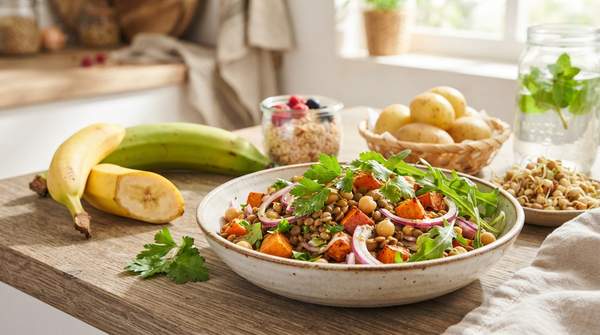
The American Heart Association released new dietary guidelines on Tuesday that emphasize a diet rich in vegetables, fruits, and whole grains for optimal heart health. The guidance, updated for the first time in five years, represents a significant shift toward plant-based protein sources and places new limits on processed foods, sugar, and salt.
Poor diet is a leading contributor to cardiovascular disease morbidity and mortality in the United States. The American Heart Association's updated framework provides an evidence-based roadmap for individuals to reduce heart disease risk through nutrition. This guidance also contrasts with some federal dietary advice and popular eating plans, reflecting an evolving scientific consensus on heart-healthy dietary patterns.
What We Know So Far
- The American Heart Association (AHA) released its updated dietary guidance on Tuesday, March 31, marking the first major revision in five years, according to Forbes.
- The new guidelines recommend a diet pattern rich in fruits, vegetables, and whole grains, while advising limits on sugar, salt, and ultra-processed foods.
- A central recommendation is to prioritize plant-based proteins—such as beans, nuts, and lentils—over red and processed meats to reduce saturated fat intake.
- The AHA continues to recommend the consumption of non-fat and low-fat dairy products instead of full-fat versions.
- The guidance suggests that children should begin following a heart-healthy dietary pattern from the age of one to establish lifelong habits.
- A stricter stance on alcohol is now advised, with the AHA recommending that individuals who do not drink should not start and those who do should limit their intake.
Key Changes in American Heart Association New Dietary Guidelines
The American Heart Association's new dietary guidelines emphasize whole foods and a strategic shift in protein sources. They encourage moving away from traditional animal-based proteins, especially red and processed meats high in saturated fats. Instead, the guidance points to plant-based options like beans, peas, lentils, nuts, and seeds. The AHA states legumes are excellent protein sources, also providing unsaturated fats and fiber.

"We intentionally say ‘shift’ to more plant-based sources of protein, because we know that plant-based sources are, generally speaking, healthier," said Dr. Amit Khera in a statement to Time. This shift is a key component of the AHA's strategy to help Americans lower their overall saturated fat consumption. The report does not eliminate meat entirely but provides clear advice for those who choose to eat it, recommending lean cuts, limited portions, and the avoidance of processed varieties like bacon and sausage. The guidelines also reaffirm the benefits of fish and seafood as part of a healthy diet.
Beyond protein, the guidelines reinforce the importance of a diet pattern centered on a wide variety of fruits and vegetables. "Include different colors, textures, and types of produce, and remember, even canned and frozen can be nutritious and affordable," the authors stated, as reported by RTTNews. The guidance also cautions consumers about the rise of plant-based meat alternatives. While these products can help diversify protein choices, the AHA warns that many are ultra-processed and can contain high levels of added sodium, sugars, and preservatives, which run counter to heart-healthy principles.
How AHA Guidelines Compare to Federal Recommendations
The new AHA guidance differs from other prominent dietary recommendations, including recently updated federal guidelines. A Time report notes the heart group's advice is stricter, focusing on specific heart disease risk reduction. Federal guidelines, conversely, aim to lower all chronic disease risks for the general population. This leads to key differences in recommendations for saturated fat, meat, and dairy consumption.
For example, some of the AHA's advice conflicts with federal dietary guidelines announced by Donald Trump earlier this year, which, according to The Guardian, encouraged eating more protein from both animal and plant sources and supported the consumption of full-fat dairy. The AHA's consistent recommendation for low-fat or fat-free dairy and its strong push away from red meat places it at odds with that approach. Furthermore, reports from outlets like Fox59 note that the new heart health guidelines are also at odds with the MAHA food pyramid, another popular dietary model.
Significant overlap exists on foundational principles. An FDA spokesperson told The Guardian, "The AHA’s guidance was aligned with the US Food and Drug Administration’s dietary guidelines on major issues." Both sets promote fruits, vegetables, and whole grains, advising limits on added sugars and sodium. Divergence appears mainly in emphasis and specific recommendations for fat and protein sources, reflecting the AHA's targeted mission to combat cardiovascular disease, the leading cause of death in the U.S.
Implementing AHA Guidelines for Optimal Heart Health
Diets high in fruits, vegetables, whole grains, and plant-based proteins consistently link to a lower risk of heart disease. The AHA suggests adopting these recommendations, building a lifelong dietary pattern starting in early childhood. Cardiovascular disease caused approximately one in three U.S. deaths in 2023; poor diet is a primary modifiable risk factor.
The guidelines strongly advocate for implementing these eating habits early. "Heart disease begins in childhood, so we need to start [healthy diets] early in life," Dr. Khera noted. This is underscored by statistics showing that about 60% of American children do not eat healthy diets and one in five are obese. Alice H. Lichtenstein, a lead author of the scientific statement, commented, "it's important that healthy eating patterns are adopted in childhood and continue throughout the entire lifespan." The AHA's formal recommendation is for children to begin a heart-healthy diet starting at just one year old.
For adults, implementation means making conscious choices at every meal. This includes filling half the plate with fruits and vegetables, choosing whole grains over refined grains, and actively incorporating protein sources like beans, nuts, and fish. It also requires reading labels to avoid foods high in added sugar, sodium, and saturated fat. The AHA's guidance is not about a restrictive, short-term diet but rather a flexible and sustainable eating pattern. For more information on building healthy habits, a recent report details 10 essential nutrition habits for healthy aging that align with these principles.
What Happens Next
The American Heart Association updates its dietary advice approximately every five years, basing its revisions on an extensive review of the latest scientific research to ensure recommendations remain current and reflect the most robust evidence available for preventing cardiovascular disease.
The guidelines' release will fuel ongoing conversations among healthcare providers, nutritionists, and the public. Specific recommendations, particularly the strong emphasis on plant-based proteins and divergence from federal advice, will likely be a focus of discussion and analysis. Their impact on consumer behavior, public health initiatives, and the food industry will unfold as individuals and organizations integrate this new evidence-based framework for heart health.