QMedic, a health technology company, presented 10 essential nutrition habits for healthy aging over 60, drawing on national health organization guidance to support senior independence.
This guidance arrives as nutritional science increasingly highlights the critical link between diet and the ability of older adults to maintain physical and cognitive function. Proper nutrition supports muscle strength, brain health, and balance, which are crucial for preserving independence and reducing the risk of falls and other health complications. According to the National Council on Aging, as reported by Newsweek, nearly one in two older adults is at risk of malnutrition, making evidence-based dietary strategies a public health priority.
What We Know So Far
- QMedic's report details 10 nutrition habits for healthy aging, informed by organizations including the CDC.
- For adults over 60, effective nutrition supports muscle strength, brain health, balance, and lowers fall risk.
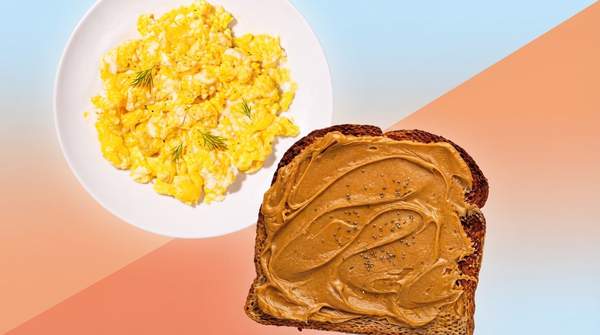
- Prioritizing protein intake maintains muscle mass, which declines with age and impacts mobility, strength, and balance.
- Staying hydrated is important for older adults, whose natural thirst signals diminish over time.
- Adequate calcium and vitamin D support bone health, countering age-related bone density decrease and fracture risk.
What are the 10 essential nutrition habits for seniors?
The new guidance emphasizes a shift toward nutrient-dense foods to meet the changing physiological needs of older adults. As people age, their metabolism often slows, requiring fewer calories but a higher concentration of essential nutrients. "For many people, aging changes not only how much we need to eat, but what our bodies need most from food," according to a report from the University of Colorado Anschutz Medical Campus.
A primary focus of the recommendations is the consistent intake of high-quality protein. This is vital for combating sarcopenia, the natural, age-related decline of muscle mass that affects strength and mobility. The National Institute on Aging reports that this gradual decrease in muscle makes adequate protein essential for maintaining physical function. The habits also stress the importance of hydration. Older adults are at a higher risk of dehydration because the body's thirst mechanism becomes less sensitive with age. Proper fluid intake supports circulation, energy levels, and mental clarity.
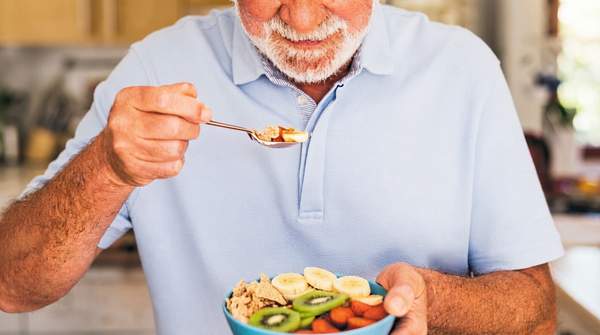
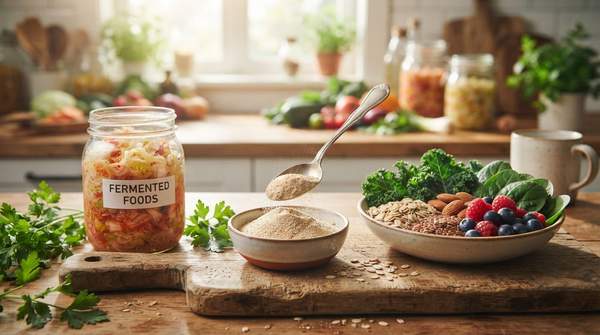
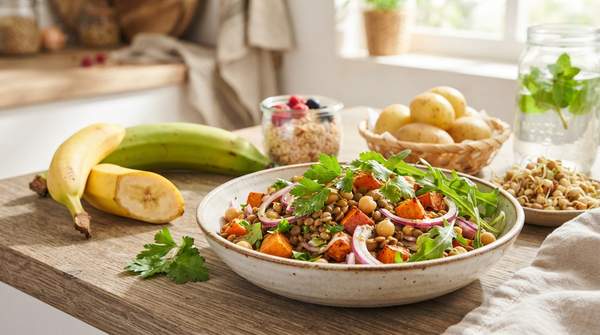
Bone health is another cornerstone of the nutritional advice. With age, bone density decreases, elevating the risk of fractures from falls. The guidance reinforces the need for sufficient calcium and vitamin D to maintain a strong skeletal structure. Beyond these, other key nutrients highlighted by CU Anschutz include vitamin B12, which is critical for nerve function and the formation of red blood cells, and dietary fiber, which supports digestive health and can help manage cholesterol and blood sugar levels. These nutrients are best sourced from a diet rich in fruits, vegetables, lean proteins, and whole grains.
How does nutrition impact independence in older adults?
The CDC has reported that poor nutrition can substantially increase an older adult's likelihood of falls, hospitalization, and a slower recovery from illness or injury. These events often precipitate a loss of independence, directly impacting the physical and cognitive abilities required for daily activities such as walking, cooking, and managing personal care. Good nutrition, conversely, is foundational to preserving these abilities.
Maintaining muscle mass through adequate protein intake helps prevent weakness and instability, which are leading contributors to falls. Similarly, strong bones fortified by calcium and vitamin D are less likely to fracture. Cognitive health is also closely tied to diet. Nutrients like B vitamins and omega-3 fatty acids, found in fish and nuts, are important for brain function, while dehydration can quickly lead to confusion and cognitive impairment. By adhering to these nutritional habits, older adults can proactively protect their strength, balance, and mental acuity.
The challenge, however, extends beyond simply knowing what to eat. Social and physical barriers can make proper nutrition difficult to achieve. According to the Administration for Community Living, more than 10 million older Americans face food insecurity each year. Furthermore, the physical act of meal preparation can become a significant hurdle. "It’s rarely just about the food," CU Anschutz experts note. "It’s often about the physical act or thoughts around preparing it." This highlights the need for support systems that address not only dietary education but also access to food and assistance with meal preparation for those who need it.
What Happens Next
These 10 nutritional habits serve as a practical guide for individuals, caregivers, and healthcare providers. Broader dissemination and implementation of this evidence-based advice is the next step. Public health initiatives and clinical practitioners can use this framework to educate older adults on making sustainable dietary changes that directly support their long-term health and autonomy.
Ongoing research will continue to refine our understanding of the specific nutritional needs of the aging population. The focus of institutions like the CU Anschutz Health and Wellness Center on protecting independence, strength, and confidence underscores a modern approach to aging that prioritizes quality of life. The central question remains how to effectively bridge the gap between nutritional knowledge and daily practice, especially for vulnerable populations facing food insecurity or mobility challenges.
Future efforts will concentrate on creating community-based programs, improving access to nutritious foods, and integrating nutritional counseling into standard geriatric care. These initiatives are crucial for ensuring all older adults benefit from a healthy diet. Empowering seniors with actionable information is a key strategy for fostering healthier aging across the population.