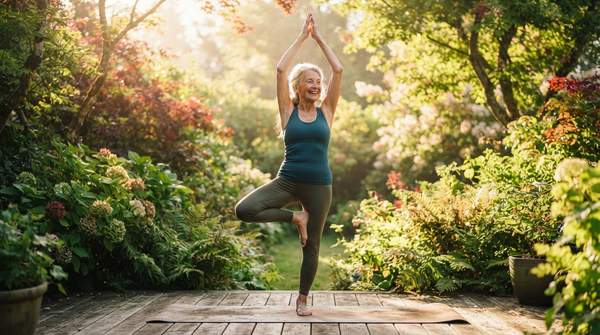
University students engaging in mindful movement interventions experienced significant reductions in anxiety compared to control groups, according to PMC. This isn't just a minor improvement; it's a clear signal: mindful movement offers tangible, immediate relief for young adults navigating intense academic pressures.
Mindful movement is a simple, accessible practice with significant mental health benefits, yet its power remains largely untapped by the general public. We have proven methods to integrate physical activity with focused attention, but many still overlook its profound capacity to boost mental health and overall wellbeing.
The evidence for its efficacy and low risk is undeniable. Mindful movement isn't just a trend; it's poised to become a foundational component of holistic mental health strategies. Its broad applicability makes it a compelling, proactive choice for preventative care and mental wellness support, especially as we look to 2026.
What is Mindful Movement?
Mindful movement is where physical activity meets focused, non-judgmental awareness. It means paying close attention to your body, breath, and surroundings. Take breathing exercises: purposefully elongating breaths calms your nervous system, while shortening them can refresh and refocus, according to Mindful.
Walking meditation offers another path. You move slowly, fully aware of each step, focusing on breath or sensations. When your mind drifts, you gently guide it back, according to Mindful. This isn't about mastering complex poses or grueling workouts. It's about intentional awareness in everyday actions, making it incredibly adaptable. The real power lies in its simplicity: anyone, anywhere, can start cultivating this inner calm.
The Science Behind the Stillness
The Movimento Biologico (MB) program, an 8-week intervention for Kinesiology and Sport Sciences students at the University of Perugia, offers a compelling case study. This structured mindful movement program significantly improved participants’ positive mental health and interoceptive awareness, according to PMC. Interoceptive awareness, the ability to accurately perceive internal body signals, is crucial for emotional regulation.

This success isn't just about symptom relief. It demonstrates that even short-term, structured mindful movement profoundly enhances mental health and self-awareness. Universities and workplaces should take note: integrating accessible mindful movement practices isn't a luxury; it's a strategic investment in holistic wellbeing, fostering resilience beyond basic stress management.
Beyond Yoga: Diverse Paths to Mindful Motion
The beauty of mindful movement lies in its versatility. Whether it's yoga, tai chi, or qigong, studies show no significant differences in their ability to reduce anxiety and depression symptoms, according to PMC. This isn't about the specific moves; it's the core mindful element that delivers the mental health benefits.
Interventions blending physical activity with mindfulness consistently improve mental health and wellbeing, according to ScienceDirect. This universal effectiveness means organizations don't need a one-size-fits-all solution. They can embrace a 'pick your practice' approach, making mental wellness programs more accessible and appealing to diverse groups. The implication is clear: the path to mindful motion is wide open, inviting everyone to find their fit.
A Powerful Tool Against Depression
Beyond anxiety, mindful movement interventions significantly reduced depression among university students compared to control groups, according to PMC. This isn't just a side benefit; it's a direct, critical impact on one of the most prevalent mental health challenges.
This evidence solidifies mindful movement as a vital, evidence-based intervention for widespread mental health improvement. Yet, despite its proven efficacy, the general public's potential remains largely untapped. A critical gap exists in public health outreach for a low-cost, high-impact solution. Imagine the collective benefit if this simple practice became a mainstream tool against depression.
Is Mindful Movement Safe for Everyone?
Mindful movement offers more than just symptom reduction. It actively boosts positive mental health, cultivates self-awareness, and sharpens interoceptive awareness – your ability to perceive internal bodily cues. These benefits build a more holistic sense of wellbeing and emotional regulation.
It improves mental health by merging physical activity with present-moment awareness, calming the nervous system and cutting down rumination. This connection between mind and body builds emotional resilience and inner peace. Simple practices like focused breathing or walking can lead to significant mental health gains.
Yes, mindful movement is generally considered safe and highly effective for reducing anxiety. Meditation and mindfulness practices overall carry few risks, according to NCCIH. However, it's always wise to consult a healthcare professional, especially if you have specific health conditions or concerns. While broadly beneficial, a personalized approach ensures maximum safety and impact.
Given its proven efficacy and accessibility, mindful movement appears poised to become a cornerstone of public health and corporate wellness programs, potentially improving mental wellbeing for millions if widely adopted.