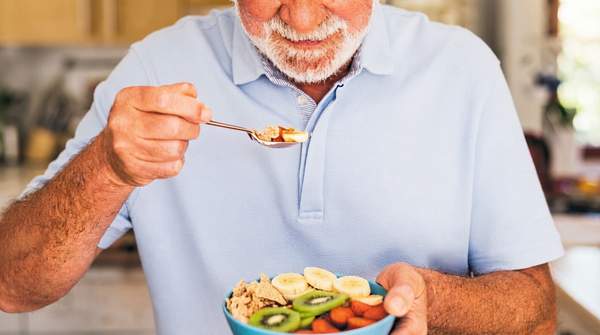
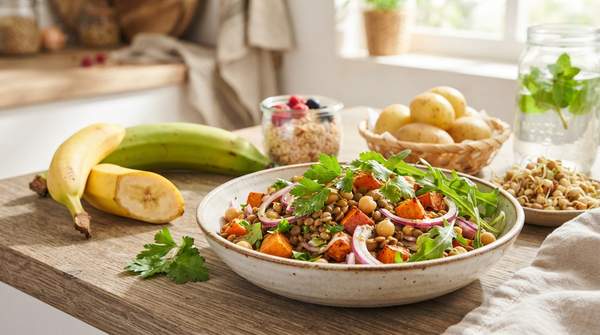
Women who consumed the highest levels of dietary antioxidants had about 56 percent lower odds of having a history of cervical cancer compared with those who consumed the least, according to The Eastleigh Voice. A 56 percent lower odds of cervical cancer underscores the potent influence nutritional strategies can exert on disease prevention, a finding consistently reported by Medicalnewstoday.
While cervical cancer is primarily understood through viral infection and genetic predispositions, a new study reveals a strong, inverse relationship with dietary antioxidant intake. This challenges the exclusive focus on viral prevention methods. A study published in August 2026 in the International Journal of Gynecology & Obstetrics examined this relationship among women in the United States, as reported by Newsweek.
Therefore, dietary interventions rich in antioxidants could become a significant, accessible component of cervical cancer prevention strategies, complementing existing medical approaches. The striking 56% reduction in cervical cancer odds for women with high antioxidant intake suggests a powerful, yet often overlooked, dietary defense capable of reshaping public health strategies beyond traditional viral prevention.
How the Study Uncovered the Link
Researchers analyzed health and nutrition data from 1,044 women in the US National Health and Nutrition Examination Survey. This robust, nationally representative dataset allowed for a detailed examination of dietary patterns across a diverse population, lending strong generalizability to its findings.
- Of the 1,044 women surveyed, 174 reported having a history of cervical cancer. The remaining 870 women without the disease were included as matched controls, according to The Eastleigh Voice.
Quantifying the Protective Effect
Each 1-unit increase in the Composite Dietary Antioxidant Index (CDAI) was associated with an 11.4% lower prevalence of cervical cancer, as reported by Endocrinologyadvisor. Each 1-unit increase in the Composite Dietary Antioxidant Index (CDAI) provides a clear quantitative link between antioxidant intake and disease risk, confirming the protective effect of higher antioxidant consumption.