The Mediterranean diet improves gut health through a traceable biological chain: its fiber and polyphenols feed beneficial bacteria such as Bifidobacterium, Faecalibacterium prausnitzii, and Roseburia, which ferment these compounds into short-chain fatty acids (SCFAs). Those SCFAs then strengthen the gut barrier, calm inflammation, and—according to emerging clinical evidence—may even influence cognition through the gut-brain axis. Here is how each step works, and which foods drive it.
The Mediterranean Diet: A Foundation for Gut Health
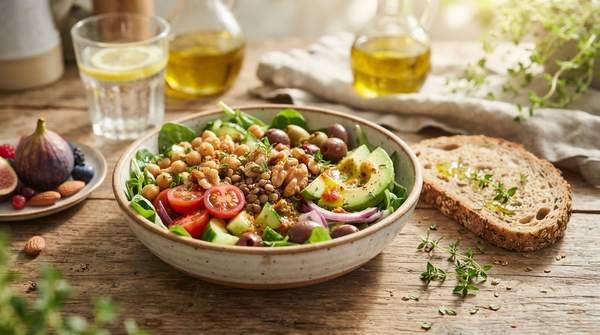
The Mediterranean diet is built around abundant plant foods—fruits, vegetables, whole grains, legumes, nuts, and seeds—with extra virgin olive oil as the primary fat, moderate fish, poultry, and dairy, and limited red meat and processed foods. Researchers studying its metabolic and molecular mechanisms note that its fiber content alone is striking: roughly 30 grams per day, more than double the roughly 14 grams typical of a Western diet.
That fiber surplus matters because your gut is home to roughly 100 trillion bacteria and other microbes. Reviews of the diet's effects conclude that many of its benefits are mediated by this microbiome: clinical and preclinical studies associate the diet with increased microbial diversity, fewer pro-inflammatory bacteria, and improved markers of insulin sensitivity, lipid metabolism, and cognitive function. Two randomized controlled trials summarized by Gut Microbiota for Health similarly concluded that microbiome composition and function help explain the diet's beneficial effects.
Key Components: Fueling a Thriving Microbiome
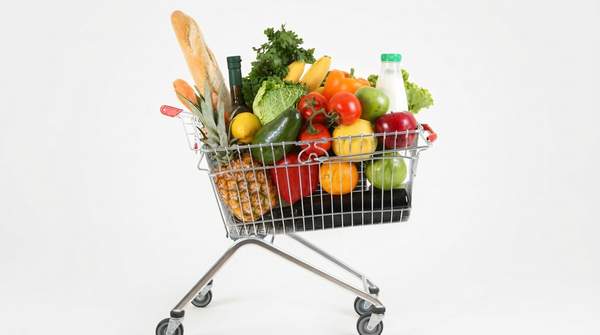
Each food group contributes something specific to your microbial residents. Fruits and vegetables supply vitamins, minerals, antioxidants, and fiber that supports regular bowel movements and helps prevent constipation. Whole grains such as whole wheat bread and brown rice provide dietary fiber that acts as a prebiotic—literally fuel for beneficial bacteria. Legumes, nuts, and seeds add further fiber and plant protein.
Extra virgin olive oil deserves special mention. Beyond its monounsaturated fats, it is the diet's richest source of polyphenols, plant compounds that a review in Nutrients identifies as key to fostering beneficial gut bacteria. The diet's effectiveness, that review emphasizes, comes not just from individual components but from their synergistic interaction with the gut microbiota.